
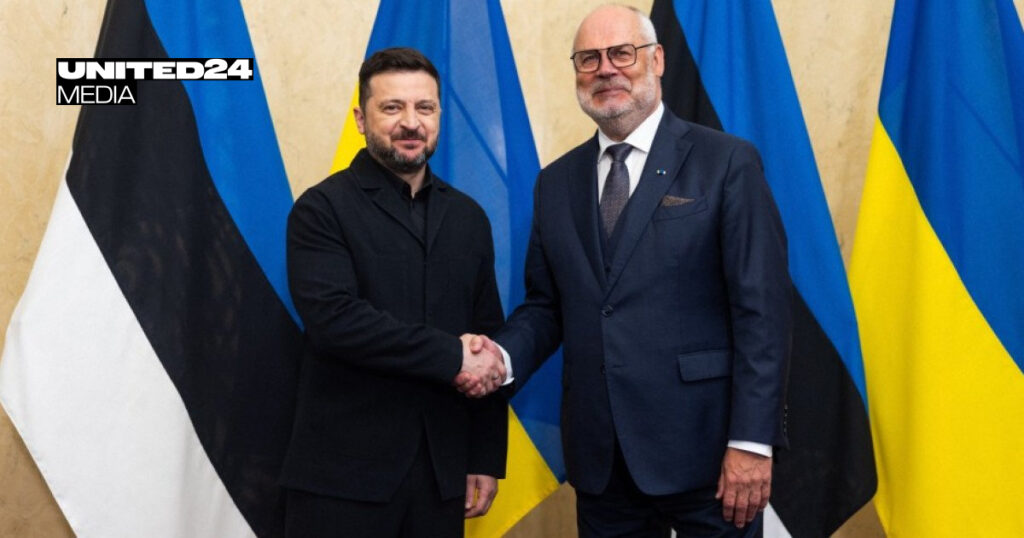
Ukrainian President Volodymyr Zelenskyy met with Estonian President Alar Karis in Tallinn on June 9 to press for tougher pressure on Russia, stronger air defense for Ukraine, and the opening of European Union accession clusters.
The meeting was reported by the Office of the President of Ukraine on June 9.
We bring you stories from the ground. Your support keeps our team in the field.
The discussion took place on the sidelines of the Ukraine–Nordic-Baltic Summit, which Estonia hosted. Zelenskyy thanked Karis for organizing the gathering and framed the coming weeks as decisive for talks expected at the European Union, G7, and NATO levels.
“The main thing that is very important today is to prepare for the negotiations and decisions that we all expect from the summits at the European Union, G7, and NATO levels. June and July this year may determine a lot,” Zelenskyy noted.
The Ukrainian president maintained that diplomacy must show clear movement so that Russia stops believing the war can still deliver gains. He noted that Ukrainian frontline positions are strong and that long-range strikes are straining Russian logistics, oil refining, and military production.
The effect, he explained, includes gasoline shortages and disrupted communications in temporarily occupied Crimea and parts of Russia.
“Russia’s budget is showing serious cracks. We need to keep up the pressure and ultimately force Russia onto the diplomatic track,” Zelenskyy declared, arguing that Europe must hold a real and strong voice in the negotiations and be among those making decisions.
Air defense remains Ukraine’s priority for as long as the war continues, Zelenskyy explained. In Estonia, he detailed Kyiv’s requirements to leaders who could help, including contributions to the PURL initiative and bilateral work on anti-ballistic capabilities.
He added that envoys of the US president had, during talks the previous day, signaled Washington is ready to engage actively in diplomatic processes.
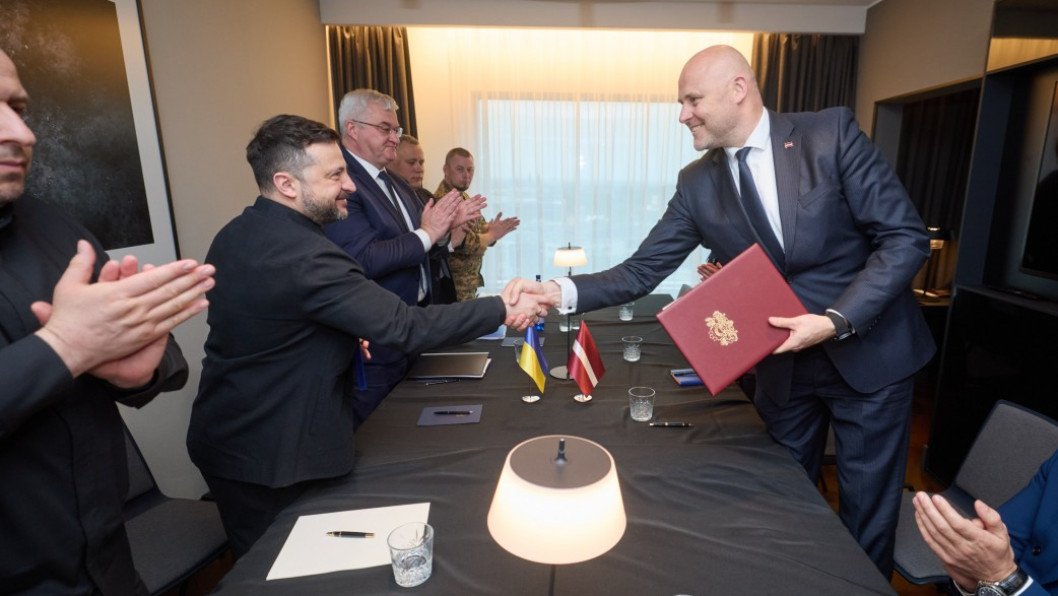
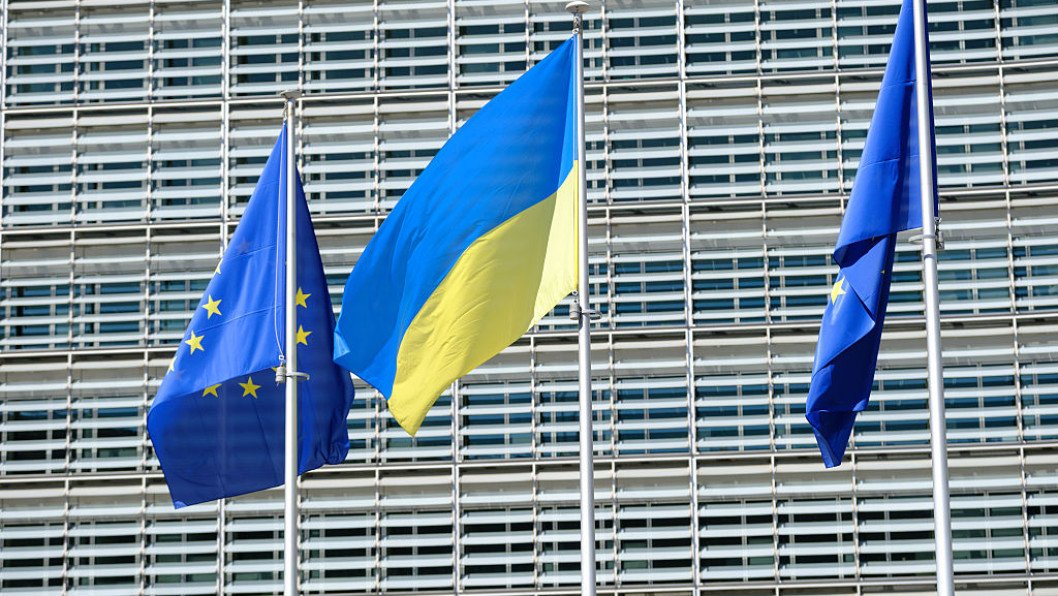
Zelenskyy reserved particular attention for the European Union, contending that Ukraine has met every condition needed to open the six negotiating clusters on its path to membership and that decisions should now follow at the upcoming EU meetings.
Karis described Ukraine as an integral part of Europe and backed the swift opening of all accession clusters this summer.
“Ukraine’s place is in the European Union and NATO. The promise of European membership cannot simply remain on paper,” Karis noted, adding that the step should happen in June because no obstacles remain.
The two leaders also discussed new sanctions packages against Russia. Zelenskyy argued that the Baltic and North Seas must not become free operating space for Russia’s shadow fleet, while Karis supported tougher restrictions on Russian energy exports and warned against attempts to normalize Russia’s participation in international sports and culture.
The push to advance accession follows a recent breakthrough in Brussels, where all 27 member states agreed to open the first negotiating cluster for Ukraine and Moldova, clearing a foundational step after Kyiv resolved a long-running dispute with Hungary over the rights of its ethnic Hungarian minority.

We report the war as it unfolds directly from the people and places most affected by it. Your support helps us bring these stories to the world.