
Levent Kenez/Stockholm
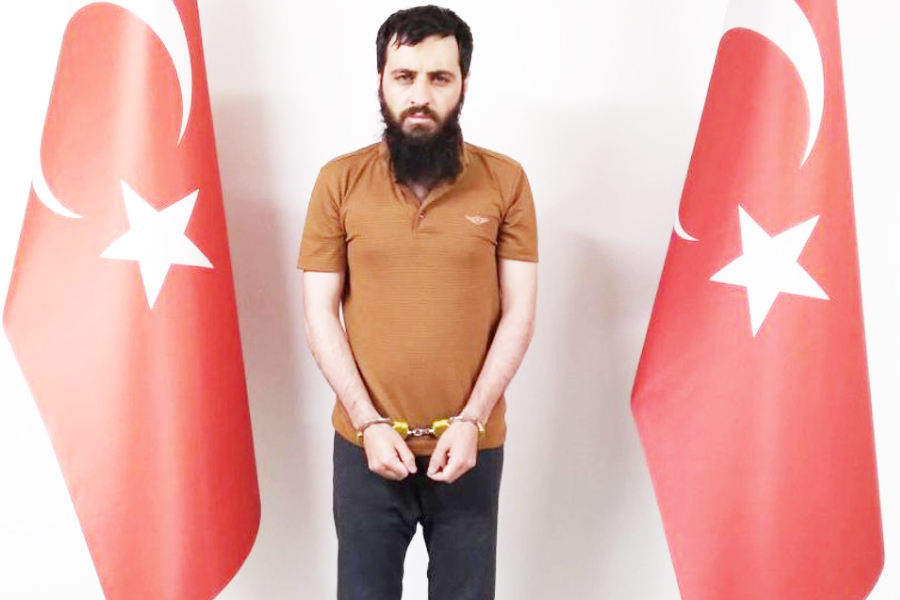
A senior Islamic State in Iraq and Syria (ISIS) operative accused in Turkey’s deadliest terrorist attack has told investigators that the 2015 Ankara train station bombing was carried out during a period when ISIS was allegedly engaged in indirect negotiations with Turkish authorities, according to court records and statements published in the Turkish media.
Ömer Deniz Dündar, a defendant in the October 10, 2015, Ankara bombing case who was recently brought back to Turkey from Syria, said during interrogation on June 18, 2026, that the attack which killed more than 100 people was initiated by Gaziantep-based ISIS commander Yunus Durmaz without authorization from senior ISIS leadership.
Dündar’s statement has revived longstanding debates over how ISIS networks operated freely inside Turkey during the peak years of the Syrian civil war. According to Dündar, ISIS leadership did not formally claim responsibility for the Ankara bombing because the organization was pursuing what he described as a negotiation with Turkish officials at the time. He claimed the attack caused internal friction between ISIS command structures in Syria and operational networks in Turkey’s southeastern provinces, particularly Gaziantep and Adıyaman.
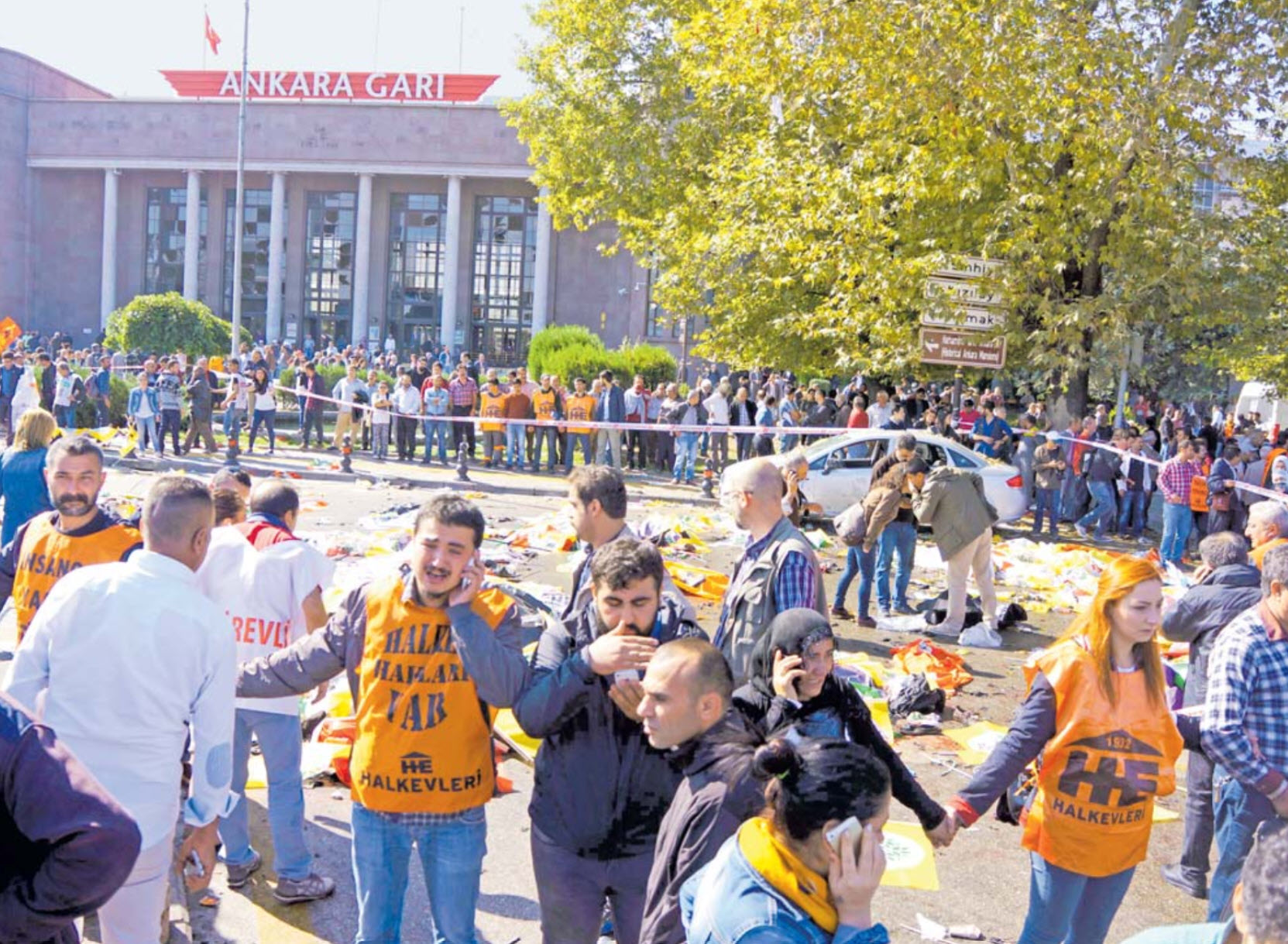 A total of 109 people were killed, while over 500 people were injured in a twin bombing attack in front of Ankara’s main train station on October 10, 2015.
Dündar did not provide documentary evidence for the alleged negotiations, and Turkish authorities have consistently rejected claims of any contact, coordination or agreement between state institutions and ISIS.
However, Dündar’s claim that the attack was not centrally authorized has added a new layer to an already complex investigation, which has long struggled to determine the exact command structure behind coordinated ISIS attacks inside Turkey in 2015 and 2016.
In his statement Dündar also said he had been part of a broader ISIS network operating among Adıyaman, Gaziantep and Syria, under figures identified in court files as Mustafa Dokumacı and Yunus Durmaz. These networks were previously linked by Turkish prosecutors to multiple major attacks, including the Suruç bombing in 2015 and other mass-casualty incidents.
Dündar described the Ankara bombing as the result of an internal initiative by Durmaz rather than a centrally ordered external operation. He said an ISIS external operations coordinator, identified in Turkish files as Abu Zeyneb al-Ansari, prepared a post-attack report listing targeted groups but indicating that no prior authorization or funding approval had been issued from higher command. This independent execution structure raises strong indicators that the attack was instead steered through behind-the-scenes actors.
Turkish Intelligence agency MİT has frequently been accused of directing domestic assets in ISIS to ensure broader political leverage for the government. The Ankara attack, carried out at a peace rally organized by labor unions and left-wing and pro-Kurdish groups, remains the deadliest terrorist attack in modern Turkish history and a defining political moment that intensified polarization in the country.
Dündar’s statement also intersects with a series of intelligence allegations that have circulated for years regarding ISIS’s operational infrastructure inside Turkey.
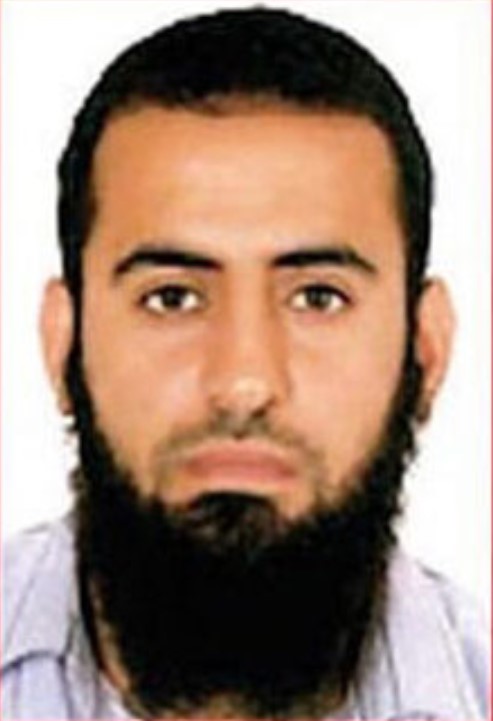 Ilhami Bali, a senior Turkish ISIS leader, has been working with Turkish intelligence agency MIT.
Among the most controversial figures and masterminds of the deadly attack in 2015 is İlhami Balı, widely described in Turkish security files as one of ISIS’s key coordinators for Turkey and a central figure in the recruitment and movement of foreign fighters into Syria. According to documents previously published by Nordic Monitor, Balı was allegedly able to move within Turkey despite being on the country’s most-wanted list and is claimed in intelligence documents to have had contacts with members of Turkey’s National Intelligence Organization (MİT), including meetings in Ankara and medical treatment at state facilities.
The Balı allegations have remained particularly sensitive because he has also been linked in Turkish court files to multiple ISIS attacks inside Turkey, not only the Ankara bombing but also the Suruç attack and several incidents in 2015.
Dündar’s statement reinforces the broader claim that key ISIS operatives were able to operate across Turkish territory for years with unlimited disruption.
His statement also outlines a fragmented structure within ISIS, suggesting that regional commanders exercised significant autonomy in planning and executing attacks without full approval from the leadership in Syria.
According to Dündar, he joined ISIS networks in 2013 through an Adıyaman-based religious circle linked to Mustafa Dokumacı, a senior ISIS figure, later moving through Syria-based training routes via Hatay into the Atme region. He said he initially encountered the al-Nusra Front, an al-Qaeda affiliate in Syria, before later joining ISIS following internal splits among jihadist factions.
A secret Turkish police intelligence note alleges that İlhami Balı, also known as Abu Bakr or Ebu Bekir, indicted for masterminding ISIL attacks in 2015, met covertly with Turkish intelligence officers in Ankara in 2016. The document, whose authenticity was confirmed by individuals familiar with Turkish security and intelligence operations, claims Balı’s activities were directed by Turkey’s National Intelligence Organization, which allegedly coordinated clandestine operations within ISIL for political purposes:
Dündar described logistical roles involving the transfer of weapons, explosives and equipment from Syria into Gaziantep between 2014 and 2016, allegedly coordinated by Yunus Durmaz’s network. He also said that communication between operatives relied on encrypted systems and intermediaries operating across multiple provinces.
In addition to the Ankara bombing, Dündar’s statement included claims about other planned but unexecuted ISIS operations, including alleged plots targeting public figures such as Istanbul Mayor Ekrem İmamoğlu, American pastor Andrew Brunson and LGBTQ communities in Turkey. He said some of these plans were discussed within ISIS circles but were never fully operationalized.
The newly surfaced assassination plots expose a dual-threat mechanism where both ISIS operatives and state-linked Turkish assets simultaneously targeted Brunson, whose two-year detention in Turkey between 2016 and 2018 triggered a major diplomatic rift with the United States.
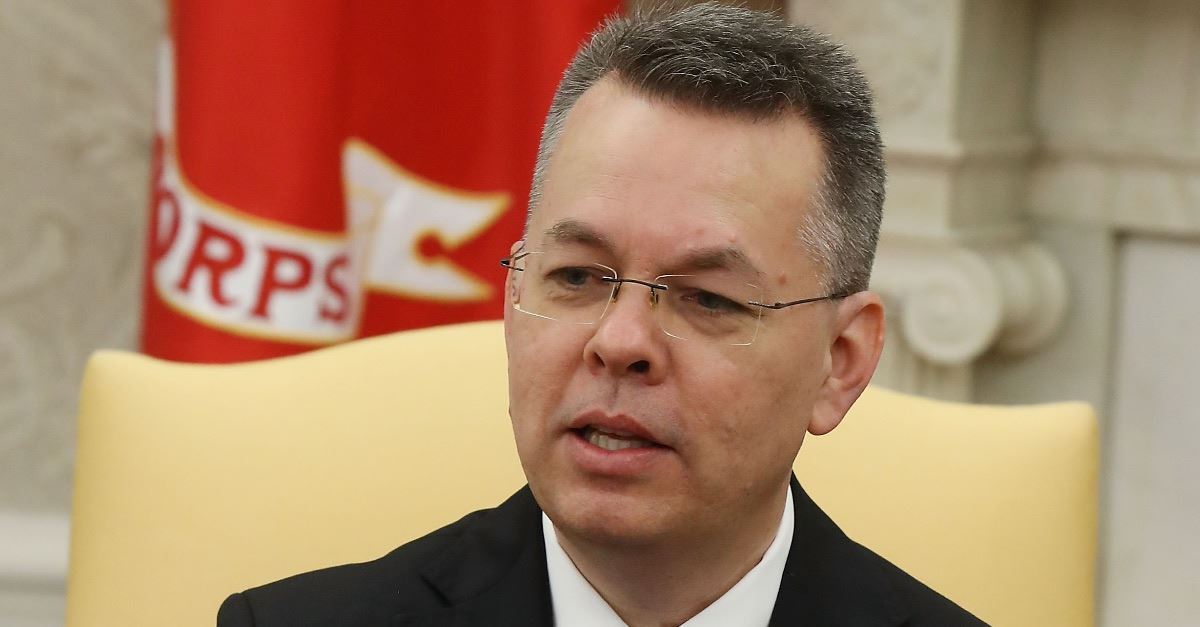 American pastor Andrew Brunson
Dündar also revealed that the jihadist group had successfully identified Brunson’s address in the western city of Izmir with the explicit intent of assassinating him. According to Dündar the operation was aborted only because Brunson was unexpectedly released and allowed to leave the country in October 2018.
The terrorist group’s plot directly mirrors a parallel conspiracy led by Serkan Kurtulus, a Turkish mafia leader allegedly acting under the direction of senior officials in Turkey’s ruling Justice and Development Party (AKP). Kurtulus, who was later arrested in Argentina, confessed that state figures had ordered him to assassinate Brunson and orchestrate the hit to look like the work of the Gülen movement, a group critical of Turkish President Recep Tayyip Erdogan. Taken together, the synchronized tracking by both an active ISIS cell and government-controlled criminal networks suggests an environment where some people close to intelligence elements either leveraged or operated alongside extremist forces to systematically neutralize the American evangelical leader.
Turkish media reports citing the same statement also noted that Dündar referred to a structure called the “Faruk Office,” which allegedly coordinated ISIS-linked networks across Turkey, the Caucasus, Kosovo and parts of Europe. He said the group handled funds transfers, recruitment and communication between regional cells.
Dündar also stated that after the killing of Mustafa Dokumacı in a 2020 airstrike, he temporarily assumed a coordinating role within the structure before being detained by Kurdish-led forces in Syria in 2021.