
When spring and summer hit, household costs can quickly get out of hand as you try to maintain a comfortable house temperature. Simple habits that you might not have given much thought to in the past could actually be driving up your monthly bills without you realizing it. However, with a few simple changes to your summer routine, you can keep more money in your wallet, rather than handing it over to the utility companies.
We spoke to energy experts about which warm-weather AC habits are costing you more than necessary and how to make easy adjustments to reduce waste without sacrificing comfort. See what they had to say below.
Meet the Experts
-
Ryan Osterkamp is an HVAC expert and the co-owner of Quality Comfort Home Services, a family-owned and operated HVAC, plumbing, and duct-cleaning company.
-
Stephen Day is a heating engineer and home cooling expert in his role as operations manager at iHeat, a home-energy solutions and online boiler installation company.
1. Poor Thermostat Management
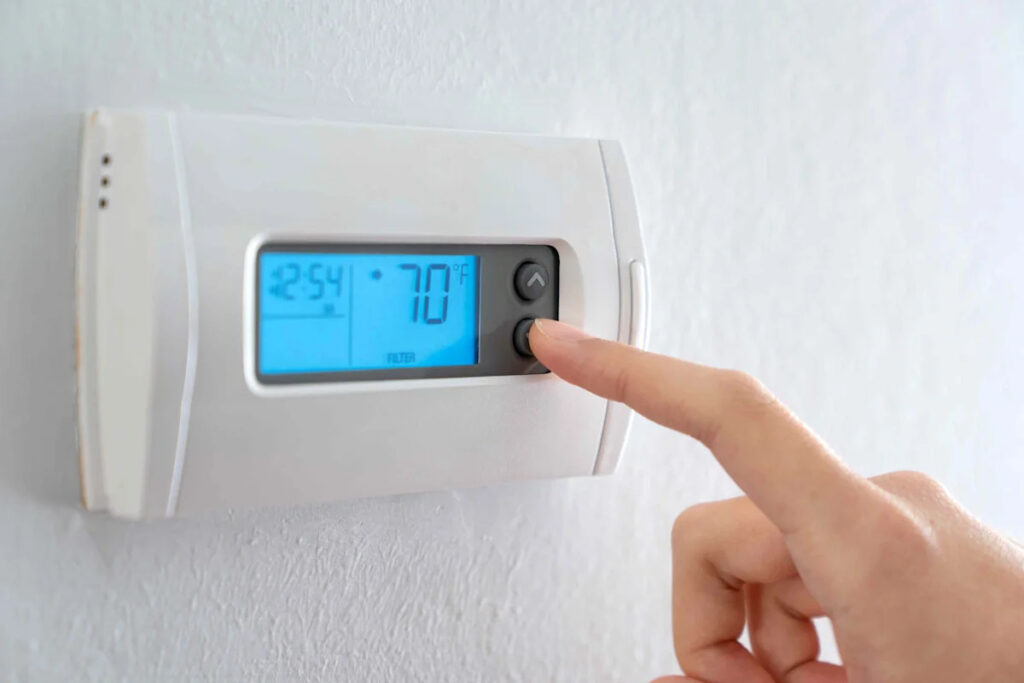
Knowing how to use your thermostat properly is essential for keeping your home cool and keeping costs down. “One of the biggest drivers behind bigger household bills is setting your AC too low. During hot weather, your AC uses a lot of energy to keep your home cool. The less work it has to do to get to your desired temp, the less energy and less money you’ll be using,” explains Ryan Osterkamp, HVAC expert and co-owner of Quality Comfort Home Services.
Ideally, you should lower your thermostat in the morning while it is still cool outside to pre-cool the home for a couple of hours, then increase the thermostat temperature during the warmer hours of the day so you are not forcing the HVAC system to work constantly to meet extreme demands. As the sun sets, you can lower the temperature again for a couple of hours before bed, then raise it while you sleep. If this feels like you will be going back and forth to the thermostat way too often, then it’s a good idea to invest in a smart thermostat, which can be programmed with a simple schedule to maintain this routine.
Related: The No. 1 Thing to Never Do with Your AC When the Heat Index Hits Triple Digits
2. Neglecting the Filter
Whether your air conditioner is connected to the furnace and ductwork or is a stand-alone unit (such as a window AC or a mini-split system), changing the filter is necessary. If not changed, you will end up forcing your air conditioner to work harder than necessary, increasing the amount of electricity it uses.
“Not changing your AC filter enough makes your system run harder because a dirty filter blocks airflow and overheats the system. Make sure to change your filter at least once every six months, but if you have a lot of traffic in the home and/or pets, once a quarter is even better, especially during the peak hot season when the system is running so much,” Osterkamp says.
3. Leaving Windows Open While the AC Runs
Having your windows open in the summer isn’t necessarily a bad idea, especially on a cooler, overcast day with a decent amount of wind. However, heating engineer and cooling expert Stephen Day says, “Leaving windows and doors open while cooling is a waste. It’s common for people to make this mistake, which is essentially cooling the outdoors.”
As your air conditioner works to draw heat from the house, your windows allow heat to flow back in, making it nearly impossible for the AC unit to reach the thermostat’s set temperature, increasing your energy bills and putting significant strain on your air conditioner. The good news is that this is one of the easiest habits to fix. If your windows are open, turn the AC off, and if the AC is on, close your windows.
Related: The 5 Best Window Air Conditioners We Rely on to Beat the Heat
4. Keeping Blinds and Curtains Open During the Day
Similar to having windows open or closed, you should also pay attention to whether your blinds or curtains are left open during the day. “Keeping your blinds open during the day lets in sunlight, which will make your home warmer inside. Keeping blinds and shades closed during the day blocks out that sunlight and also helps to keep cooler air inside the home,” Osterkamp says.
A good way to approach your windows and window coverings during the summer months is to open both the windows and curtains after the sun has gone down to allow fresh air into the home, then close them the next morning. Just make sure to raise the thermostat setting so the air conditioner doesn’t run all night with your windows open.
5. Using Fans Improperly
Setting up a fan in the room where you spend the most time is an excellent way to reduce energy waste from your air conditioning system, but many people mistakenly believe that a fan will actually cool the space. “Ceiling fans are a great example. Ceiling fans do not actually lower the temperature of the air in the room, but create a “wind chill” effect that will make you feel cooler, so you can keep the actual ambient temperature higher (which uses less energy) without sacrificing comfort,” Osterkamp says.
Be sure to set the thermostat a bit higher when you are using a fan to take advantage of these cost savings. Additionally, you need to ensure that you turn off the fan when you are not in the room to avoid wasting energy simply moving air around an empty space.
Read the original article on Better Homes & Gardens