

It gets hot in Florida; no surprise there. We are the Sunshine State, after all, despite all the rain. But the weekend forecast is for even more sweltering weather, with temperatures in the 90s statewide and heat indexes (what it feels like) up to 108 in some areas, according to the National Weather Service.
The oppressive heat will continue blanketing the state next week, leading up to the Fourth of July and the state’s America 250 events, as a “heat dome” of high pressure creates hot and humid conditions across large parts of the nation.
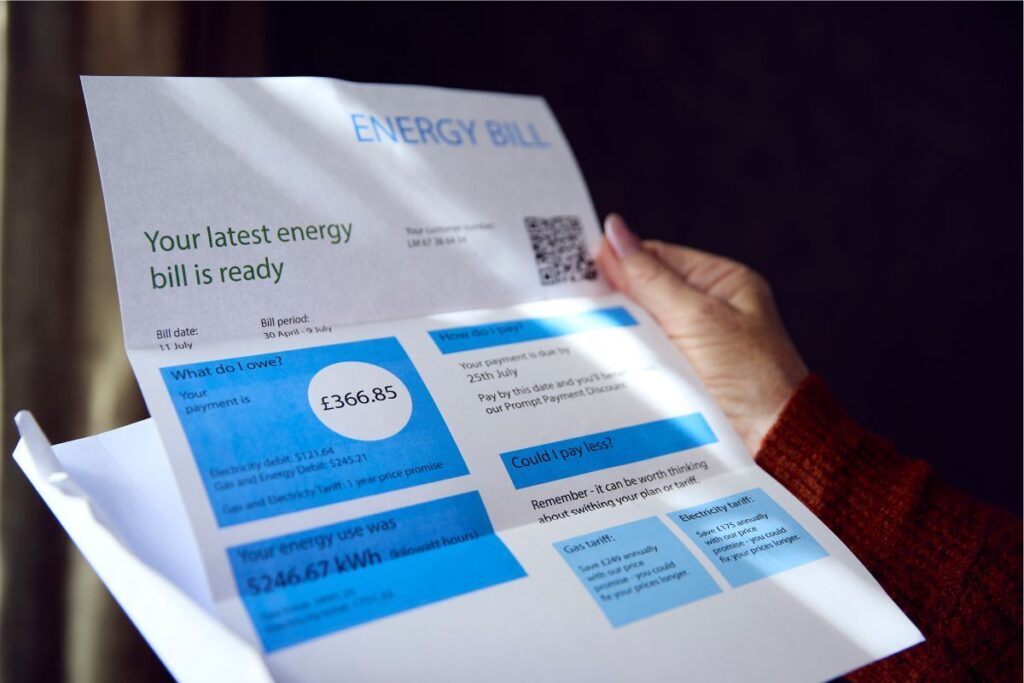
Is your power bill about to go through the roof? Not necessarily. Here are some tips on how to manage your energy use, even when it’s broiling outside.
Shop cooling systems at Lowe’s
Bump your air conditioner thermostat up
If you can raise your home’s temperature and still remain comfortable, do it. According to Florida Power & Light, nudging your thermostat setting up one degree could save you 5% on cooling costs. The less your air conditioner has to work, the lower your bill.
You should also raise it, manually or with a programmable thermostat, if you’ll be away. Energy Star and federal energy officials say increasing your thermostat by about 7 to 10 degrees for around eight hours a day, such as when you are away or overnight, can trim up to 10% off your annual cooling and heating costs.
But don’t shut it off. Your air conditioner will have to work harder to cool a hot space, and that can cancel out any savings you might get. And air conditioning helps reduce humidity in your house. Turning it off or opening windows to let hot, humid air inside can force your air conditioner to struggle harder to remove it.
When you’re out of the house for an extended period of time, FPL recommends setting your thermostat to 82 degrees with the fan on “auto.”
Watch your appliance use
Your AC unit will draw the most power in the next few months, but there are other energy hogs you can cut back on.
- Electric water heaters: Duke Energy suggests setting it to 120 degrees to save 6-10% on energy costs. You can also install low-flow shower fixtures to cut back on your hot water usage.
- Refrigerators and freezers: Set the refrigerator temperature to 35-38 degrees, Duke said, and the attached freezer to 4-5 degrees. Standalone freezers should be set to 0. Check the seals on your fridge and freezer (close the door on a dollar bill and see if it stays in place).
- Washing machines: Run full loads and do it in the morning or evening to lower energy use. Use cold water whenever possible.
- Dishwashers: Run only full loads and use the dishwasher’s eco-mode, air-dry or overnight-dry options instead of heat drying to save water and energy.
- Oven: Avoid oven use during the middle of the day. It can heat up your kitchen very quickly, forcing your AC to work harder.
Use fans smarter, but only when necessary
During the summer months, fan blades should spin counterclockwise to push air down and create a cool breeze. Turn off ceiling fans when no one’s in the room. Fans cool people, not rooms, the DOE said.
Check your home’s seals and vents
Make sure cold air isn’t getting out and hot air isn’t getting in.
Check all the weatherstripping and seals around your home’s doors and windows and replace any that are worn.
Keep your AC happy and healthy
Help your AC help you by keeping it in good running condition. It’s pretty easy.
- Change the air filter: Every 30 to 90 days, remove the air filter from your air conditioner and put in a new one to keep air flowing through the house.
- Clean your vents: Clean off or vacuum your vents when you clean the room, and regularly take off the vent cover to check for anything major in there.
- Keep the area around the outside unit clean and unblocked: Clear any vegetation, yard debris or other items at least three feet away from your outdoor unit. Regularly clear off leaves and twigs that may fall on it.
- Clean out the drain: The water your AC pulls from the air travels outside through the condensate drain, but it can get clogged. Clear any mud or debris from the outside end (you can also use a shop vacuum to help). Pour some distilled vinegar into the drain from inside your home and let it soak for 30 minutes before rinsing with water.
- Clean off the coils: Use a coil brush and a garden hose to gently remove dirt, grass and other debris. Then spray foaming coil cleaner on the coils in a back-and-forth motion and let it sit for 5-10 minutes before gently rinsing it away.
(This story was updated to change or add a photo or video.)
This article originally appeared on The Daytona Beach News-Journal: How to bring energy costs down in Florida heat and still stay cool
Reporting by C. A. Bridges, USA TODAY NETWORK – Florida / The Daytona Beach News-Journal
USA TODAY Network via Reuters Connect
Stay tuned for more community news content. Join our list here.
Related