
Fast fashion can leave shoppers feeling as if they are buying the same flimsy garment again and again, just in a slightly different color, cut, or trend cycle.
A Lithuanian couple’s linen-focused label from flax is now drawing attention for offering an alternative: fewer synthetic pieces, more durable natural fabric, and silhouettes built around comfort rather than constant churn.
What’s happening?
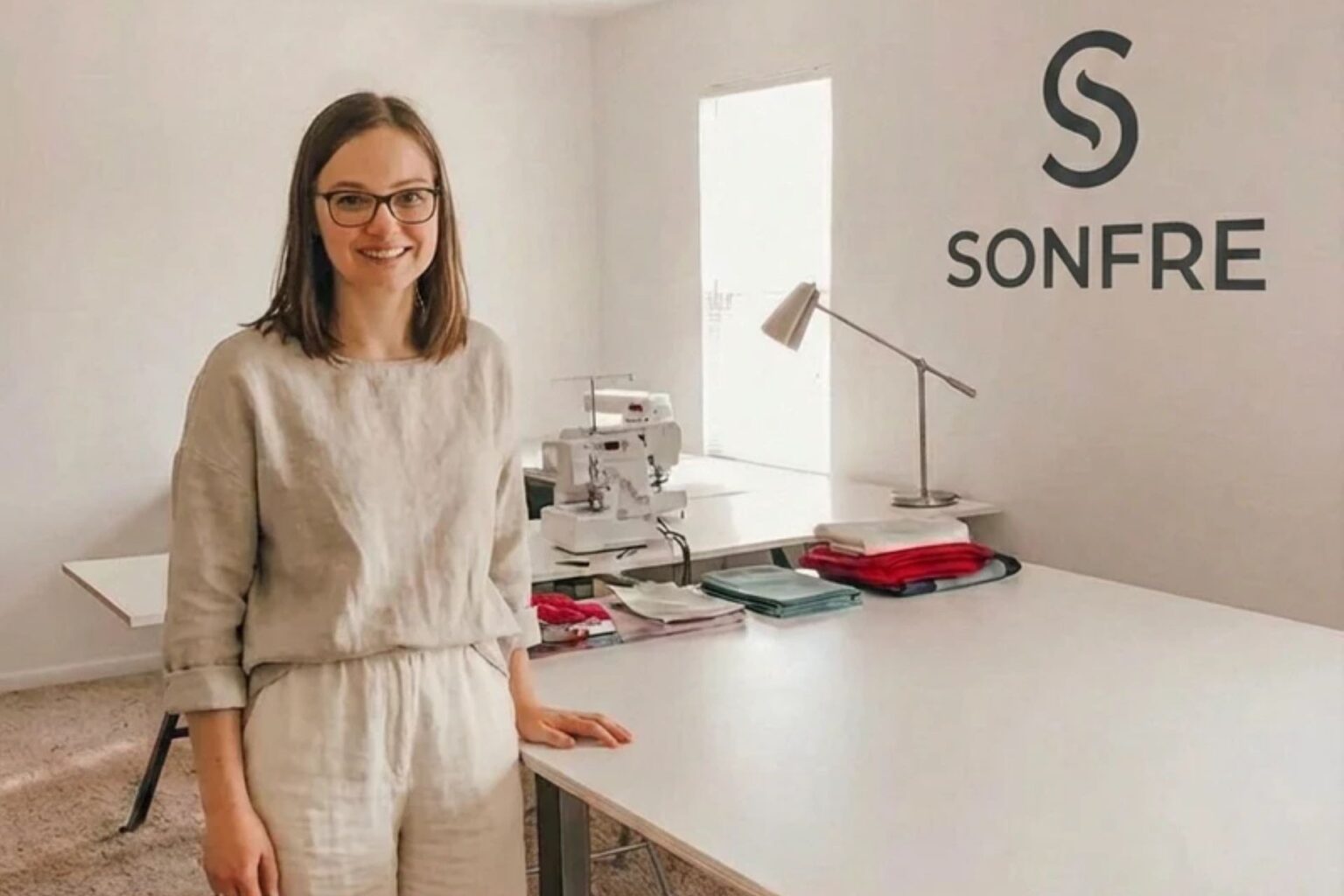
Featured in a lifestyle story, Sonfre is a small brand run by Mantas and Laura, a husband-and-wife team in Kaunas, Lithuania, who make garments from raw, medium-weight Baltic linen rather than the polyester-heavy fabrics common in many stores.
According to The Upcoming, they started the label because they were frustrated by how disposable modern clothing had become and by microtrends that can make newly bought, usable pieces seem dated almost immediately.
The feature portrays their studio as a small-batch operation, with pressing irons and sewing equipment on hand and workers preparing fabric only once orders are placed. That process is meant to produce clothes that feel weighty and grounded instead of clingy or charged with static.
Among the items highlighted are the brand’s linen summer dresses for women, which the source says use roomier, squarer draping and prioritize ease of movement over the tighter shapes common in fast fashion.
Why does it matter?
The appeal goes beyond aesthetics. Clothing made with durability in mind can mean fewer replacement purchases, which may help stretch a wardrobe budget over time compared with repeatedly buying lower-cost pieces that wear out quickly.
It also speaks to a wider exhaustion with fast fashion. When clothes across retailers start to blur together, feel synthetic, and may not last beyond a few washes, fabric quality and construction begin to look less like luxury extras and more like practical advantages.
Linen’s wrinkles, which the feature frames as part of the fiber’s character rather than a flaw, also point to a shift in what some buyers want from their wardrobes: comfort, breathability, and pieces that age naturally instead of imitating a perfectly pressed, disposable finish.
For shoppers, brands like Sonfre suggest a different kind of value: fewer impulse purchases, more pieces suited to regular wear, and garments built to stay useful after short, algorithm-driven trend cycles pass.
What can I do?
Fabric labels can offer clues about how a garment may feel and wear. Natural fibers such as linen can offer a different feel and lifespan than synthetic blends, especially for shoppers tired of static, cling, or garments that quickly lose their shape.
Cost per wear offers a different measure than sticker price alone. A piece that costs more upfront but stays in rotation for years may provide better value than several cheaper purchases that need replacing after one summer.
Brands producing in smaller batches or making garments to order may require a longer wait but can also lead to better construction and a more intentional purchase — two factors that can reduce regret and closet waste.
Independent labels may also offer silhouettes that prioritize movement, comfort, and personal style over whatever is dominating the rack that week.
In a market crowded with what the feature calls a “plastic uniform,” Sonfre’s approach stands out by returning to clothes with “a heartbeat, a physical origin, and a lifecycle designed to outlast the current season’s algorithm.”
Get TCD’s free newsletters for easy tips, smart advice, and a chance to earn $5,000 toward home upgrades. To see more stories like this one, change your Google preferences here.
