
The new estimate includes the cost of the war to date as well as expenses like meal pay that are anticipated through the end of the fiscal year.

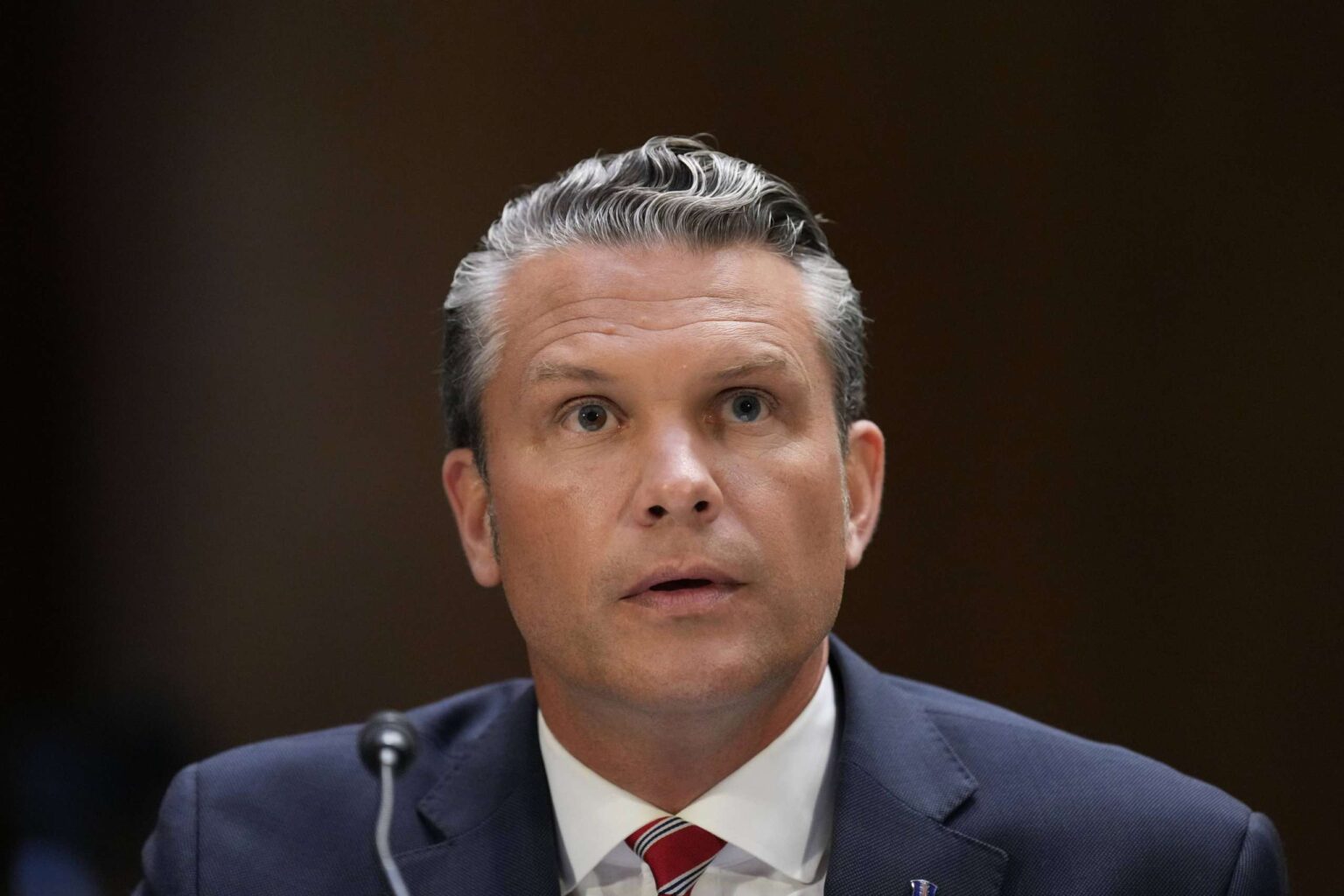
- The Iran war’s operational costs have climbed to an estimated $37.5 billion as the conflict finishes its fifth month, Defense Secretary Pete Hegseth told senators Tuesday. That figure is about $12 billion higher than the Pentagon comptroller gave lawmakers in April. The new estimate includes the cost of the war to date as well as expenses like meal pay that are anticipated through the end of the fiscal year, Hegseth said. Hegseth and Chairman of the Joint Chiefs of Staff Gen. Dan Caine testified before Senate appropriators to push for an extra $67 billion they say would help pay for the war.
- A group of lawmakers said that the Pentagon has not explained the “scientific basis, costs or risks” associated with implementing the department’s new testosterone screening policy. Senate Democrats are demanding answers from Defense Secretary Pete Hegseth about how the Pentagon plans to implement annual testosterone screenings and the scientific rationale behind the initiative. The lawmakers noted that many major medical organizations do not recommend routine population-wide screening for testosterone deficiency and that less than 6% of men between the ages of 30 and 79 have testosterone deficiency. The lawmakers want the Pentagon to respond by Aug. 5.
- The Navy is clamping down on public transparency with a directive to scrub information about its leaders from command websites, citing operational security. According to the memo, commands led by vice admirals and below, as well as their civilian equivalents, are barred from posting official portraits and biographies on their organization’s public-facing sites. The service argues that the move protects sailors whose online footprint allows adversaries to track and target them and their families. It’s unclear if a particular security incident prompted the decision.
- The Merit Systems Protection Board is no longer describing itself as “independent.” The board’s decision comes in response to a recent Supreme Court ruling that expanded the president’s powers to fire heads of independent agencies. MSPB leadership has since directed staff not to use the word “independent” when describing the board in job announcements. The lack of the “independent” descriptor is also prevalent on MSPB’s website. The board said that although it’s not calling itself independent, its adjudicatory functions remain unchanged. But a former MSPB member questioned how the removal of “independent” will impact employees’ confidence in the board’s process.
- The Senate Intelligence Committee voted 9 to 8 on Tuesday to advance Jay Clayton’s nomination to be the next director of national intelligence. Clayton currently serves as U.S. Attorney for the Southern District of New York. Clayton’s nomination had initially drawn praise from both sides of the aisle. The Tuesday vote puts Clayton one step closer to being confirmed by the Republican-controlled Senate. But he’s been criticized by Democrats for refusing to admit that Joe Biden won the 2020 presidential election during his nomination hearing.
- More than 20 union affiliates of the largest federal employee union are asking a federal judge to temporarily block the Defense Department’s termination of hundreds of union contracts. The unions filed a motion for a preliminary injunction, asking the court to halt implementation of Defense Secretary Pete Hegseth’s April directive ordering agencies to rescind nearly all collective bargaining agreements across the Defense Department. The unions argue that the department’s decision to terminate collective bargaining agreements violated the Administrative Procedure Act and are asking the court to restore the status quo and reinstate the collective bargaining agreements while broader legal challenges proceed.
- Some probationary employees who were fired by the Trump administration last year are continuing to fight their terminations in court. Fired workers from the Departments of Homeland Security and the Interior have filed a new legal briefing in the federal circuit’s Court of Appeals. They’re challenging a recent MSPB ruling that determined it doesn’t have the jurisdiction to hear their case. The employees argue their firings amounted to illegal reductions in force. They say the MSPB should therefore review the legality of those terminations.
- After a governmentwide return-to-office mandate, federal employees say productivity and morale are down. More than three quarters of respondents to a Federal News Network survey say they are less productive now than they were when they had the ability to telework. When asked about their overall experience, about 83% said returning to the office has been a negative change. At the same time, more than half of respondents reported no difference in their team collaboration, leading some to question the purpose of the Trump administration’s in-office orders.
]]>
]]>
Copyright
© 2026 Federal News Network. All rights reserved. This website is not intended for users located within the European Economic Area.