
Abdel Kutub Nassri
Brussels, the capital of Belgium, occupies a unique position in global politics and international diplomacy. Although Belgium is geographically small, its capital has become one of the world’s most influential cities by hosting the headquarters of both the North Atlantic Treaty Organization (NATO) and many of the principal institutions of the European Union (EU). This dual role has transformed Brussels into the political and strategic heart of Europe, where critical decisions on security, defense, trade, economic policy, climate action, and international cooperation are made.
The city’s importance extends far beyond Belgium’s borders. Every year, thousands of diplomats, government ministers, military leaders, economists, journalists, and policymakers gather in Brussels to discuss issues that shape the future of Europe and influence global affairs. From responding to international conflicts to addressing economic crises and climate change, Brussels has become synonymous with multilateral diplomacy and international decision-making.
The European Union, a political and economic union of 27 member states, maintains several of its key institutions in Brussels. The European Commission, which proposes legislation and oversees the implementation of EU policies, operates from the city. The Council of the European Union, where ministers from member states negotiate and adopt laws, also meets there. In addition, the European Council, which brings together the heads of state or government to determine the EU’s political priorities, regularly convenes in Brussels. While the European Parliament holds plenary sessions primarily in Strasbourg, much of its committee work and administrative functions are based in Brussels, reinforcing the city’s status as the administrative center of the European project.
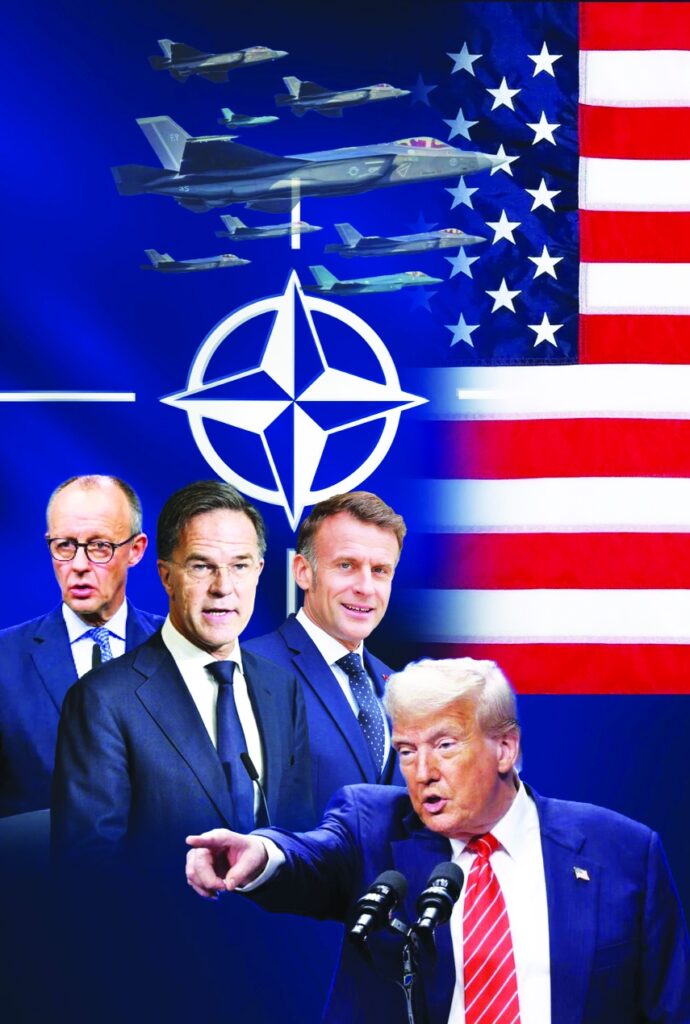
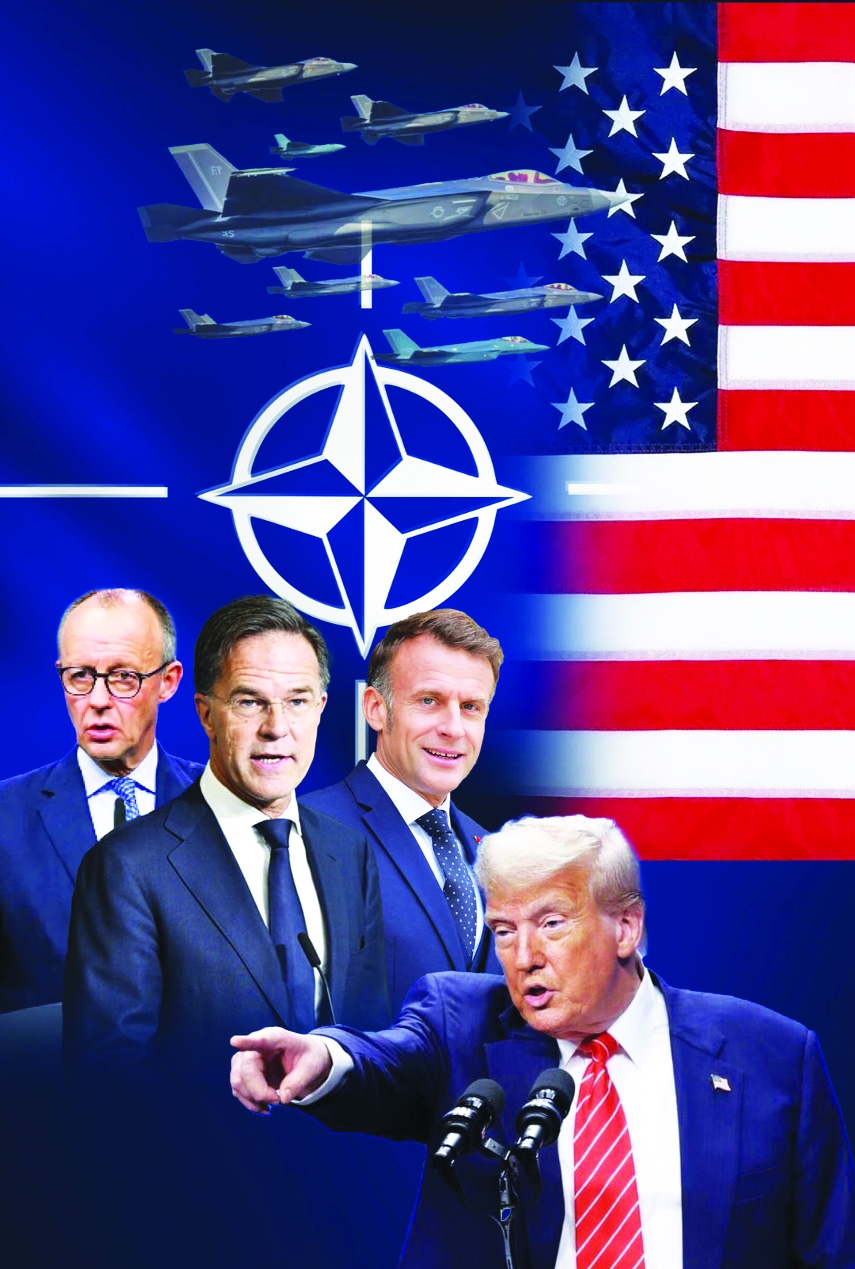
Alongside the EU institutions stands NATO, the world’s most prominent collective defense alliance. Established in 1949, NATO was created to ensure the security of its member countries through collective defense, where an attack on one member is regarded as an attack on all. Its headquarters moved to Brussels in 1967 and have since served as the alliance’s central hub for political consultations, military planning, and strategic coordination. Today, NATO includes 32 member countries from Europe and North America, making Brussels a focal point for discussions on international security and defense cooperation.
The presence of both NATO and the European Union in the same city creates a unique environment where political, economic, and security issues intersect. European leaders often participate in meetings at both organizations within a single day, enabling close coordination on matters ranging from defense capabilities and cybersecurity to humanitarian assistance and sanctions policy. Although NATO and the EU remain separate organizations with different mandates and memberships, their collaboration has grown significantly in recent years, particularly in areas such as resilience, cyber defense, military mobility, and countering hybrid threats.
Brussels has gained even greater strategic significance as Europe’s security environment has evolved. Russia’s full-scale invasion of Ukraine in 2022 prompted extensive consultations within both NATO and the European Union. Leaders met repeatedly in Brussels to coordinate military assistance, humanitarian support, sanctions, refugee assistance, and long-term security planning. These discussions highlighted the city’s central role in facilitating collective responses to complex international crises. Beyond the conflict in Ukraine, Brussels continues to host consultations on challenges including terrorism, cyberattacks, energy security, migration, and emerging technologies.
The city’s international profile has also made it a major diplomatic center. Nearly every country in the world maintains embassies or permanent missions in Brussels, while international organizations, think tanks, research institutes, business associations, and non-governmental organizations have established offices nearby. This concentration of institutions has fostered a vibrant ecosystem where experts from diverse fields exchange ideas, conduct research, and influence policymaking. Conferences, summits, and negotiations take place throughout the year, attracting participants from every continent.
Economically, the presence of international institutions provides substantial benefits to Belgium. Tens of thousands of people work directly for EU institutions, NATO, diplomatic missions, and related organizations. Many more are employed in sectors such as hospitality, transportation, legal services, consulting, information technology, education, interpretation, translation, and event management. Hotels, restaurants, conference venues, and local businesses benefit from the steady flow of international visitors, making diplomacy an important contributor to the local economy.
The multicultural character of Brussels reflects its international role. The city is home to people from more than 180 nationalities, creating one of Europe’s most diverse urban communities. French and Dutch are Belgium’s official languages in Brussels, while English is widely used in diplomatic, academic, and business settings. International schools, universities, and cultural institutions cater to expatriates and local residents alike, reinforcing Brussels’ reputation as an open and cosmopolitan city.
Despite its many advantages, serving as Europe’s political center also presents significant challenges. Because of its importance, Brussels remains under continuous security monitoring. Large international summits require extensive planning, road closures, intelligence coordination, and enhanced police presence to ensure the safety of visiting leaders and delegates. Authorities work closely with Belgian security agencies, European institutions, and international partners to address risks such as terrorism, cyber threats, espionage, and public safety concerns. These measures are designed to protect both high-profile events and the city’s residents while maintaining the openness expected of a democratic capital.
Brussels also faces practical challenges associated with hosting numerous international organizations. Heavy traffic, high housing demand, infrastructure maintenance, and balancing the needs of local communities with international institutions remain ongoing policy issues. Belgian authorities continue investing in public transportation, sustainable urban development, and digital infrastructure to accommodate the city’s growing international role while improving the quality of life for residents.
Looking ahead, Brussels is likely to become even more important as Europe confronts a rapidly changing geopolitical landscape. Climate change, artificial intelligence, digital regulation, energy transition, supply chain resilience, public health preparedness, and defense modernization are expected to dominate future policy discussions. The European Union continues to develop common policies in these areas, while NATO adapts to evolving security challenges that include cyber warfare, space security, and emerging military technologies. The proximity of these institutions allows policymakers to coordinate responses more effectively in an increasingly interconnected world.
Belgium itself benefits from its reputation as a neutral meeting ground and a reliable host for international dialogue. Although the country does not dominate European politics through military or economic power, it has become indispensable by providing a stable environment where cooperation and diplomacy can flourish. Brussels demonstrates how influence in international affairs is not determined solely by geographic size or population but also by the ability to facilitate dialogue, build consensus, and host institutions that shape global decisions.
As Europe navigates an era marked by geopolitical uncertainty, technological transformation, and complex security challenges, Brussels will continue to stand at the center of international cooperation. Decisions made within its conference halls, council chambers, and diplomatic missions have consequences that extend far beyond Belgium, affecting millions of people across Europe and around the world.
For decades, Brussels has symbolized the values of dialogue, cooperation, and collective decision-making. As the headquarters of both NATO and the European Union, it serves not only as Belgium’s capital but also as a strategic capital of Europe—where diplomacy, security, and shared political aspirations converge to shape the continent’s future. In an increasingly interconnected world, Brussels remains a city whose influence is measured not by its size but by its pivotal role in advancing international cooperation, preserving regional stability, and supporting the pursuit of peace, prosperity, and collective security.
Abdel Kutub Nassri reports for
Nicosia Express from Egypt.

Latest News