
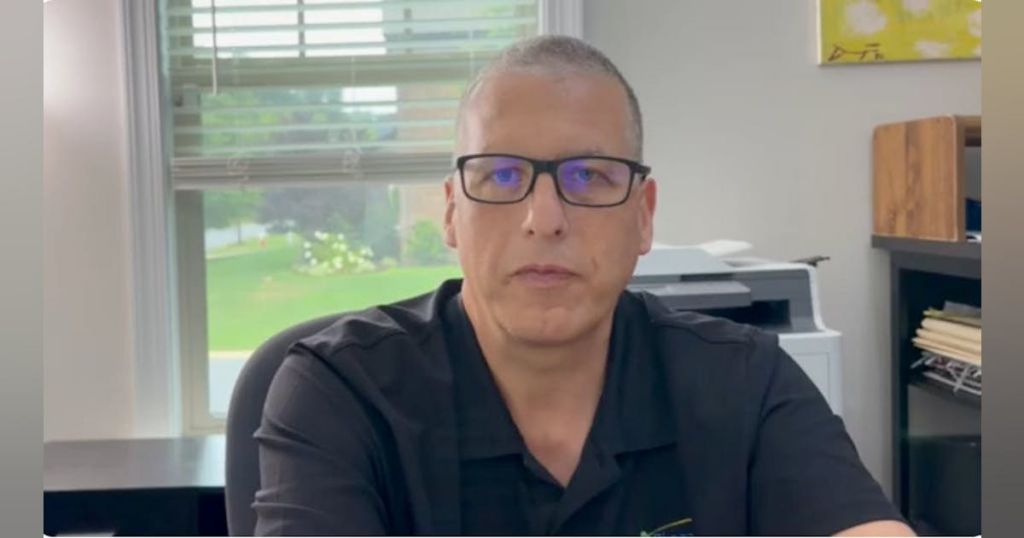
The transcript of this video has been edited for clarity.
Today we’re going to talk about how AI is changing recruiting and the future of hiring within this space. AI has been changing the industry and recruiting faster than anything I’ve seen in the past 25 plus years in the industry. At the same time, AI is driving unprecedented demand for data centers, as you know, accelerating need for specialized talent across the region.
Today, I want to discuss how AI is changing the hiring process — what recruiters are seeing in today’s market, how recruiters are using AI themselves, why the human factor is still so important, and how AI has affected the candidate’s recruiting experience.
What recruiters are seeing
Let’s start with five things recruiters are seeing right now with AI bots supporting the resume process.
- AI generated resumes. With their perfect formatting and grammar, these resumes look great on the surface, but when you look into them, it’s clear they’re not real.
- AI written cover letters. We’re seen a lot of AI written cover letters. They’re polished, professional, and they’re identical. They look great — AI is doing a great job in this department, but again, they’re not real.
- AI assisted interviews. AI bots are being used in a lot of virtual interviews — assistants on the other side of the screen helping the candidate provide the best answer to your question. Look out for it.
- Resumes using LinkedIn. We’re seeing a lot of resumes from LinkedIn, but the candidate’s profile may not match their actual experience. So, make sure you check and verify qualifications for your job.
- Identical resumes. We’re seeing a lot of resumes that are identical — they just have different names or locations or similar companies. They’re not real, so look out for that.
So those are the five things we typically see right now when it comes to AI generated resumes and assistance on the candidate side.
Why the human element still matters, aka the human factor
AI can identify candidates, for the most part, but recruiters determine whether the candidate is right fit or not. Human judgment is something technology just can’t replace. Recruiters can filter out the noise. AI generated resumes and cover letters, inflated accomplishments, candidate using AI during interviews, verifying resumes match LinkedIn profiles – you get the drill.
There are so many different things that are out there, and the human factor is a is a must in this space.
So, what do we do? Recruiters will ask meaningful questions to weed out unqualified candidates and resume bots. We’ll ask follow-up questions, drill into accomplishments, assess their communication skills. It’s about understanding motivation and building trust. This human element, you know, saves a lot of clients time and leads to better hiring decisions.
How has AI affected the candidate’s recruiting experience?
Number one, you see a lot of resumes being screened out by AI bots. If someone’s resume doesn’t match the right keywords or formatting, it may never reach the hiring manager, even if you’re highly qualified. A recruiter can solve this. We can help navigate you through the AI bots, speak to a hiring manager, determine if the candidate is qualified, experienced, or has the right accomplishments.
Great candidates shouldn’t be overlooked simply because the algorithm doesn’t recognize their potential.
What candidates should never do? Don’t invent experience. Don’t exaggerate your responsibilities, and don’t take credit for work that’s not yours. And most importantly, don’t let AI answer interview questions, as employers want to understand what you know, not what ChatGPT knows. Finally, AI should help tell your story. It shouldn’t create a new one.
AI is one of the most powerful tools our industry has ever seen. It’s game changing. It helps candidates. It helps recruiters. It helps companies. It really helps everyone be more efficient. However, it doesn’t replace the human element or human judgment. AI is changing the world of recruiting, but people still hire people.
God bless.