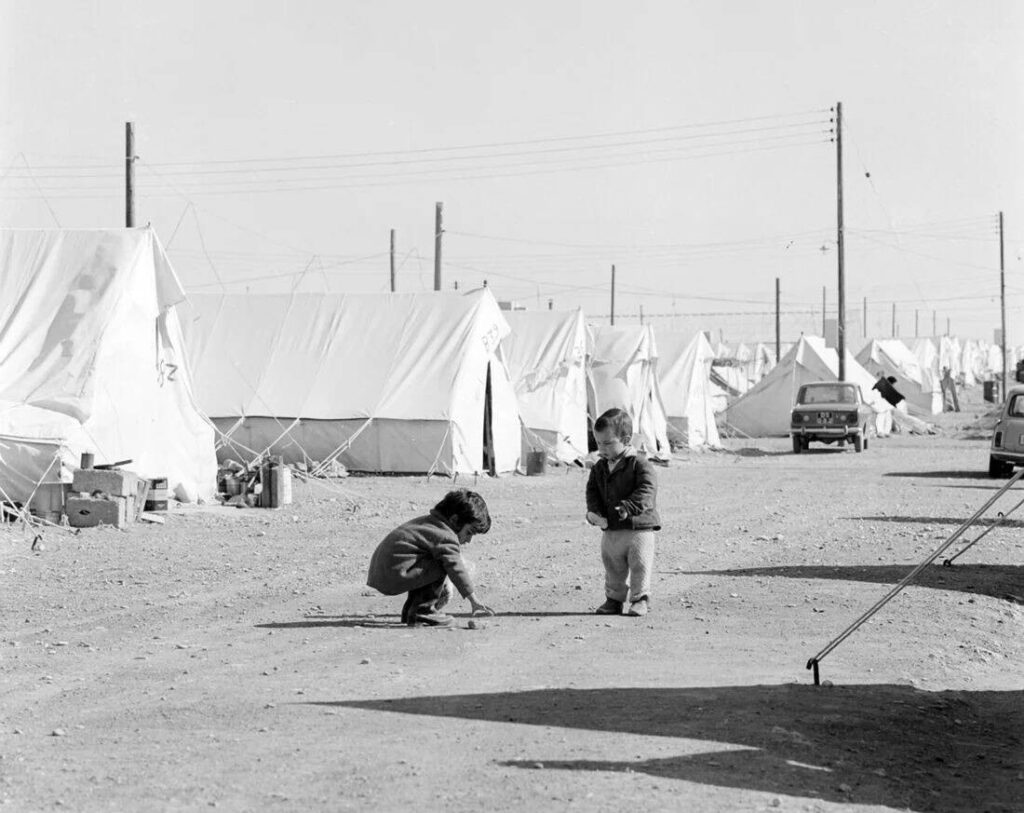
Nicosia, 14 August 2026 – Fifty-two years ago today, Turkey launched the second phase of its military invasion of Cyprus, codenamed “Attila II.”
At dawn on 14 August 1974, shortly after the collapse of the Geneva peace talks, heavily reinforced Turkish forces advanced from their existing bridgehead. Within three days they overran large parts of the north, capturing the cities of Famagusta (Ammochostos) and Morphou, the Karpasia peninsula, and the northern suburbs of Nicosia. By the ceasefire on 16 August, Turkey controlled approximately 36–37 per cent of the island’s territory — a division that remains in place to this day.
The human cost was immense. Estimates place Greek Cypriot military and civilian deaths between 3,000 and 6,000. More than 1,600 Greek Cypriots were listed as missing; decades later, the bi-communal Committee on Missing Persons continues its work, with hundreds of cases still unresolved despite ongoing DNA identifications. Around 160,000 to 200,000 Greek Cypriots — roughly one-third of the island’s population at the time — were forcibly driven from their homes and became refugees in their own country. Many have never been able to return.
Today, families across Cyprus and the diaspora pause to remember the victims and those who never came home. Among them is the uncle of one Cypriot family still waiting for answers about his fate.
The second phase of the invasion completed the occupation that began on 20 July 1974. Successive United Nations resolutions have called for the withdrawal of Turkish troops and the return of refugees to their homes, yet the island remains divided. Efforts to locate and identify the missing continue, including the recent introduction of advanced DNA sequencing techniques to resolve cases that conventional methods could not.
On this anniversary, Cypriots reaffirm that the memory of 1974 will not fade. The victims are remembered. The missing are not forgotten. And the demand for justice and reunification endures.
1974, anniversary, Attila II, Cyprus, Famagusta, Greek Cypriots, Karpasia, missing persons, Morphou, Nicosia, Occupation, refugees, second phase, Turkish invasion