

Hezbollah chief Naim Qassem on Friday accused Lebanese authorities of subjecting the country’s armed forces to undue pressure by implementing a framework deal agreed with Israel to end hostilities.
In a speech marking the anniversary of the terror group’s 2006 war with Israel, known in Israel as the Second Lebanon War, Qassem demanded to know what the Lebanese government had to show for its seven rounds of negotiations with Israel, and pledged that his group wouldn’t “abandon” the people of Lebanon to Beirut’s desires.
The June trilateral framework, to which the United States is also a party, involves the disarmament of the Iran-backed terror group and a gradual withdrawal of Israeli forces from Lebanon’s south, where it has occupied several areas over the past few months of renewed fighting.
It also includes the deployment of the Lebanese army to areas where Israel’s military has pulled out, starting in test areas known as “pilot zones.”
“How can you accept this ongoing humiliation of the Lebanese army, exposing it to bombardment and Israeli pressures, instead of acting as its protectors?” Qassem asked.
In talks between Lebanon and Israel in Rome last week, both sides discussed which countries might participate in a committee tasked with verifying the Lebanese army’s deployment in the so-called pilot zones from which Israel withdraws.
So far, two such zones exist, with the ultimate goal being a complete Israeli pullout from southern Lebanon.
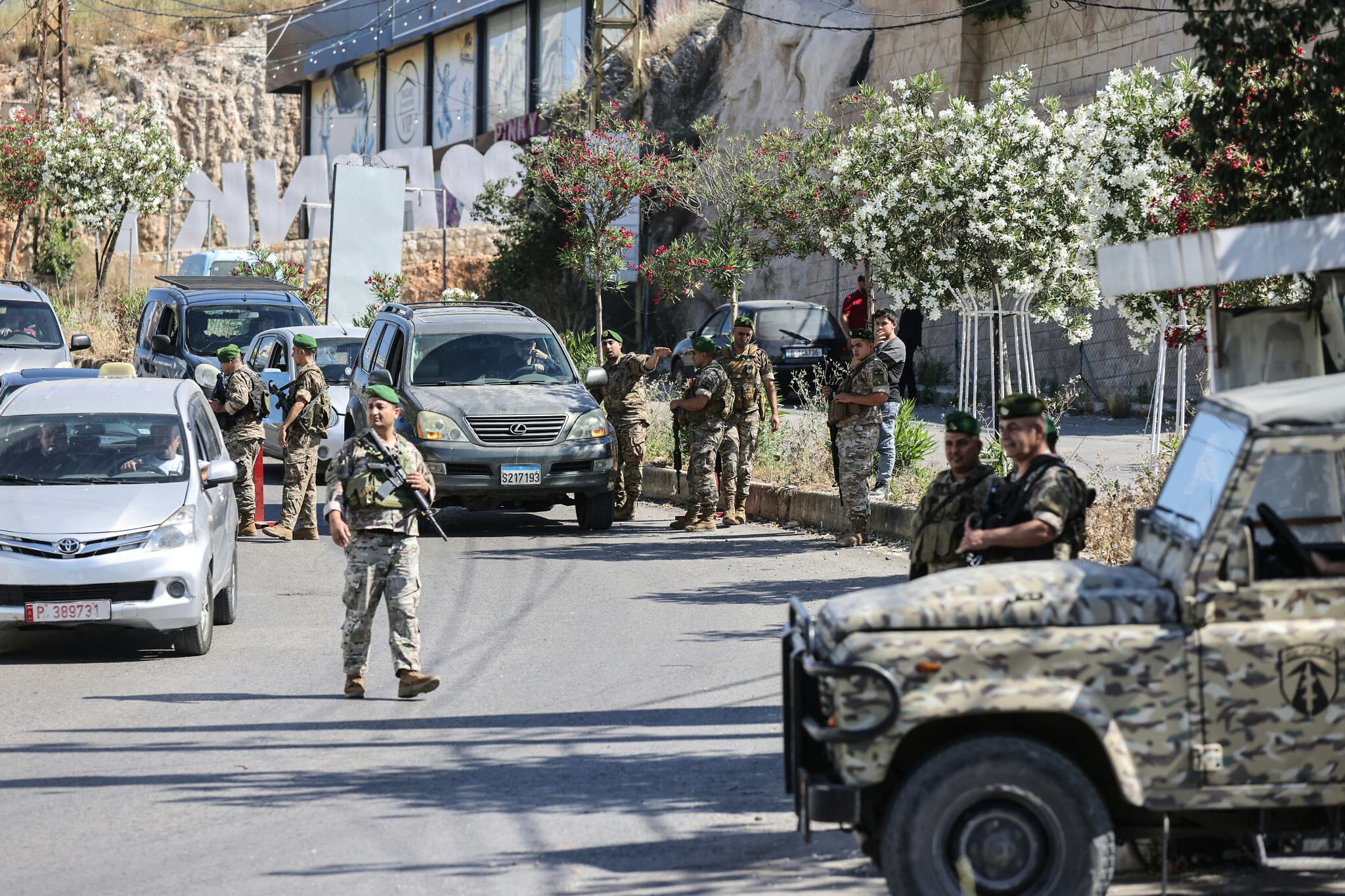
Lebanese soldiers man a checkpoint at the entrance to Nabatieh on June 15, 2026 (MAHMOUD ZAYYAT/AFP)
The talks last week in Rome were the seventh round since Hezbollah drew Lebanon into the Middle East war in March with rocket fire at Israel in support of its backer Iran.
Israeli forces responded with aerial bombardments and a ground assault, seizing a strip of land extending about 10 km (6 miles) deep into southern Lebanon. More than a million Lebanese civilians were forced to flee their homes. Israel has been destroying significant terror infrastructure in the captured areas.
Lebanon says the Israeli operation has killed more than 4,300 people, without differentiating between combatants and civilians.
Hezbollah has repeatedly rejected the direct talks and refuses to surrender its weapons, a point reiterated by Qassem on Friday, who said the framework agreement was nothing more than “Israeli dictations that the authority signed.”
“Israel is attempting to bind Lebanon to an inquiry committee that oversees the army’s deployment, operations, and internal details. Where is the patriotism? Where is the dignity of the army that ought to be preserved?” he asked.
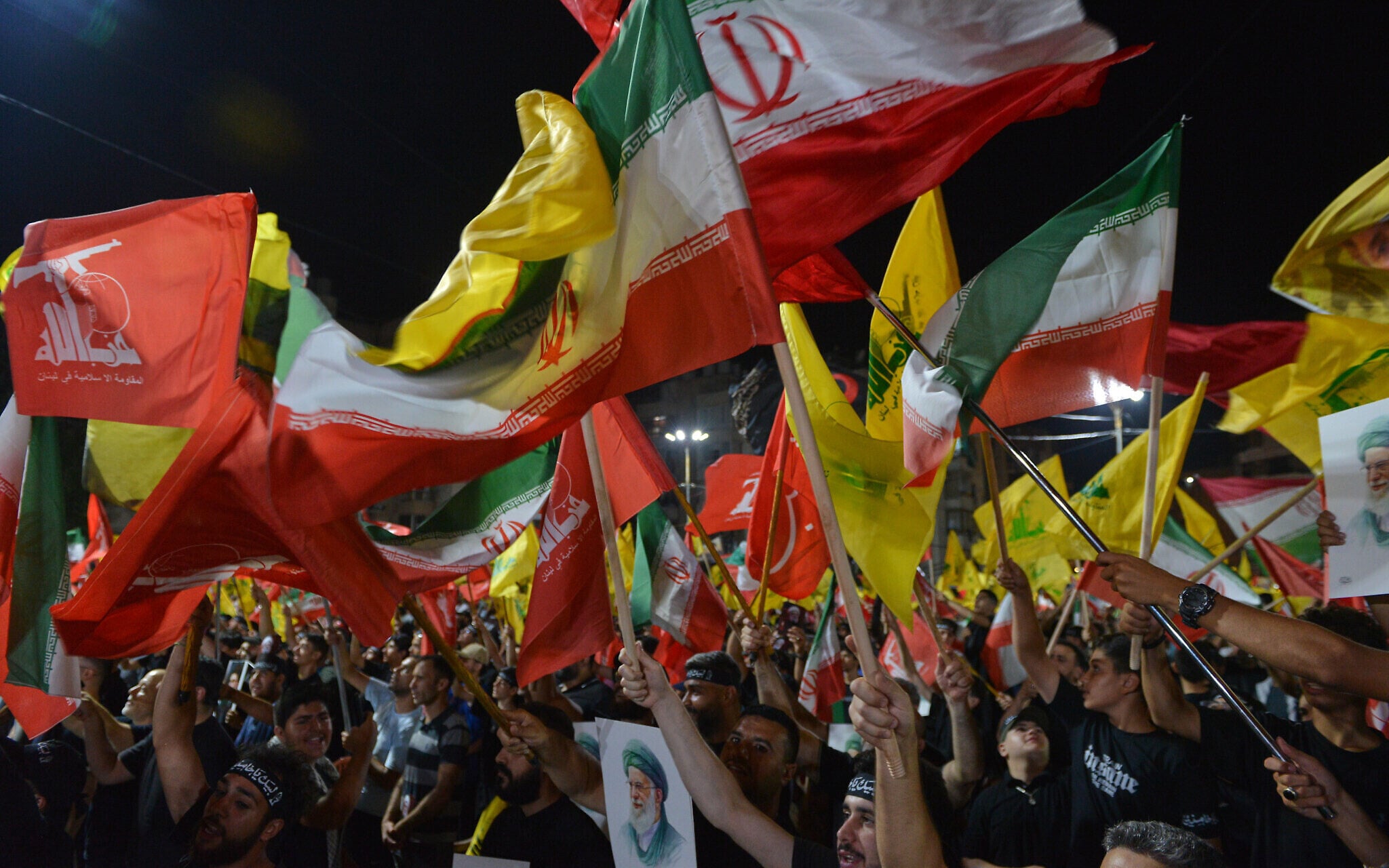
Hezbollah supporters wave Hezbollah and Iranian flags during a gathering in Beirut’s southern suburbs, Lebanon, July 8, 2026. (AP/Mustafa Jamalddine)
Washington on Tuesday announced it would sponsor a new round of negotiations between Israel and Lebanon in Rome in early September.
But Qassem reiterated the group’s rejection of the framework deal and called on Lebanese officials to reverse it, claiming there had not been “a single achievement from the seven rounds of negotiations.”
“We will remain steadfast and will not accept surrender or the violation of our country’s sovereignty,” he insisted, adding that the “sacrifices” made by Hezbollah and those demanded of Lebanon were “an act of faith and will.”
Addressing the terror group’s supporters, Qassem insisted that Hezbollah “will not abandon you, and we are with you in the same trench.”
Last week’s round of talks in Rome encountered a setback on the second day, ending early amid an escalation in southern Lebanon between Israel and Hezbollah.
Beirut is also frustrated with the pace of Israeli withdrawals, feeling that Jerusalem is dragging its feet ahead of the October elections, while Israel argues that verification of Hezbollah disarmament must be completed first.
Nonetheless, a State Department spokesperson insisted that the three days of talks last week were “constructive” and that the sides reached understandings on the parameters that must be met to verify that a particular area has been cleared of Hezbollah infrastructure, in order to “unlock future pilot zones.”

