
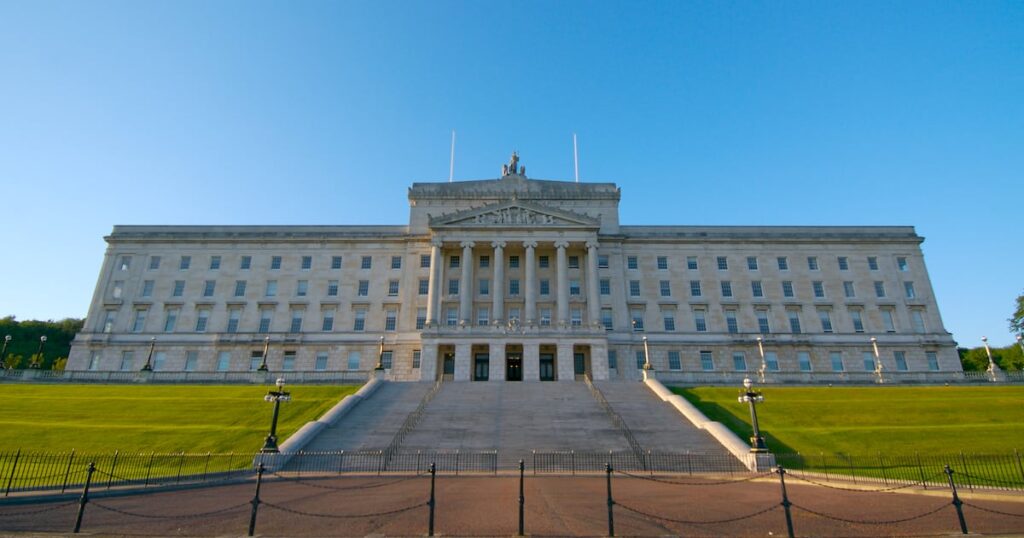
Chris Bryant may only have been Secretary of State for Northern Ireland for less than a month, but he is already facing the prospect of a collapse of the Stormont Executive.
Speculation has been growing in recent weeks that Sinn Féin is about to pull the plug on power-sharing, amid accusations that the DUP is blocking key elements of its legislative agenda. John O’Dowd, the Sinn Féin Minister for Finance, was forced to clarify this week that his party had no intention of collapsing Stormont ahead of Assembly elections next year.
However, the fact that speculation had been circulating for the past month underlines the extent of the political stasis.
There are significant policy differences between Sinn Féin and the DUP, but compromise has to be the modus operandi of any multi-party coalition. The Stormont executive has lurched from one crisis to another since the Brexit referendum because the UK’s departure from the EU put the constitutional question on the table.
Everything that happens in Northern Ireland has to be seen through the prism of a potential Border poll. There is a school of thought that some within the republican community believe that the greater the level of political instability in Northern Ireland, the more potent the argument for a united Ireland. Similarly, some unionists think direct control by Westminster strengthens Northern Ireland’s place in the union.
Both positions do a huge disservice to the people of Northern Ireland. Only when the economy reaches its full potential can the Stormont executive address its perennial funding shortage and invest in areas such as health and education.
The immediate priority for Bryant, working closely with the Irish Government, must be reform of the large party veto. As it stands, the executive automatically collapses if one of the two bigger parties withdraws from government. Over recent years, both Sinn Féin and the DUP have been far too willing to pull this lever. For the sake of stability, it must be removed.