

Twenty-five coffins and sarcophagi found in a family mausoleum in southwestern Poland contain the remains of members of the von Hochberg family, former owners of Książ Castle.
 25 coffins reveal lost burials of Książ Castle’s former owners in Poland. Credit: Bieniecki Piotr, Krystian Cieślik, CC BY-SA 4.0
The burials date from the 18th and 19th centuries. Researchers found them inside the von Kramsta family mausoleum at the municipal cemetery in Świebodzice, a town next to Książ Castle in Lower Silesia.
Preliminary work has identified eight members of the Hochberg family. Further study will be needed before researchers establish the identities of everyone buried inside the mausoleum.
Among the identified remains are those of Konrad Ernst Maximilian von Hochberg. He played a major role in the history of Książ and funded the castle’s large Baroque rebuilding.
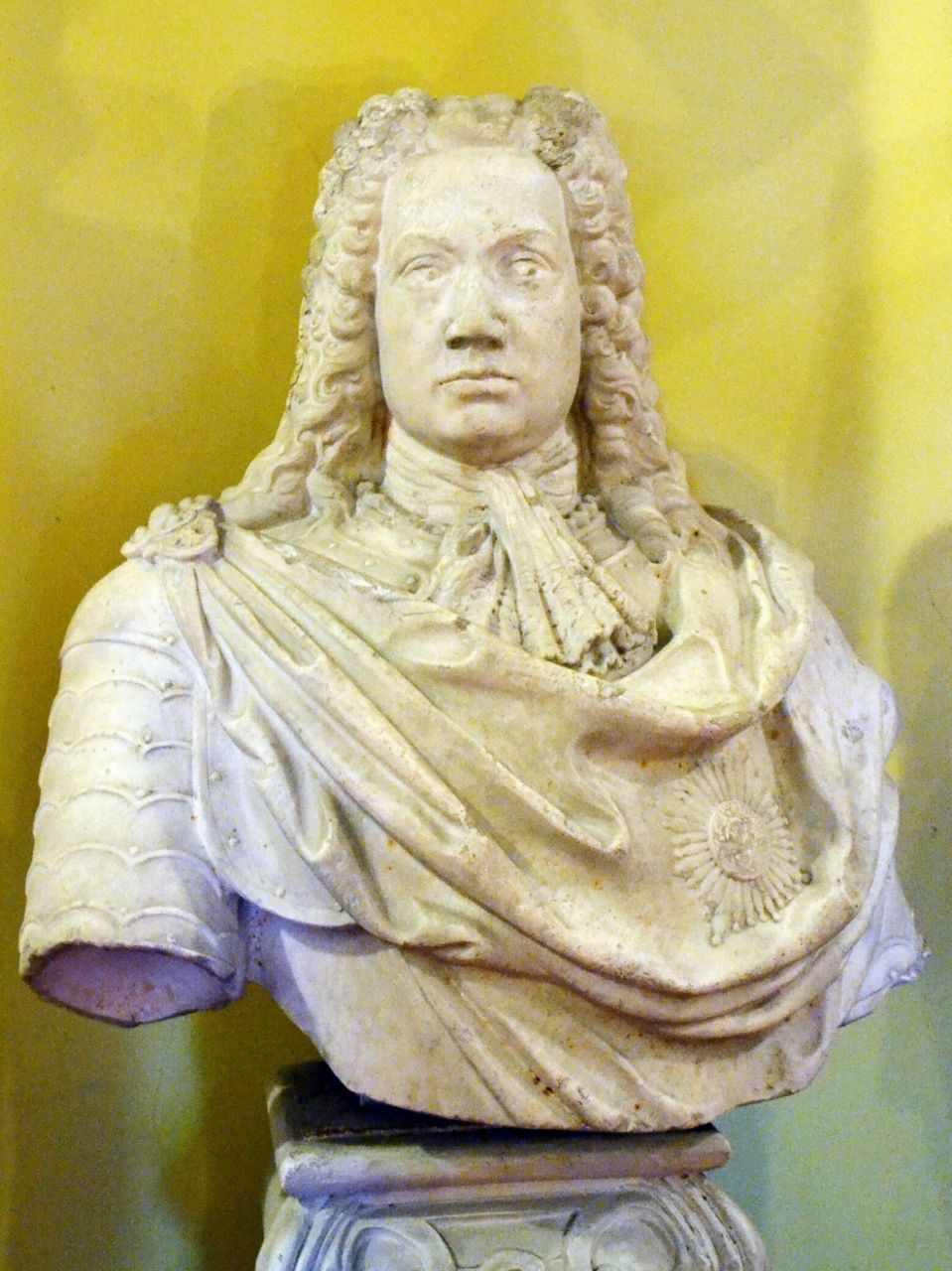 Count Konrad Ernst Maximilian of Hochberg. Credit: Krystian Cieślik, CC BY-SA 3.0
The Hochberg family owned Książ for more than 400 years. Their long rule shaped much of the castle seen today, including some of its best-known rooms and architectural features.
Researchers found the Hochberg coffins and sarcophagi in the upper part of the mausoleum. The von Kramsta family burials were located in the crypt below.
The arrangement raises a key question. Who moved the Hochberg burials, and why were they placed inside the von Kramsta mausoleum?
Researchers have not yet established when the transfer took place. One theory places the move in early May 1945, during the final days of World War II. The circumstances surrounding the transfer still need further study.
The find offers more than a chance to identify members of a former ruling family. Human remains could provide new information about the lives of people who once lived at Książ.
Osteological work could reveal height, body build, posture, physical strain and signs of injury. Bone changes could also point to long-term diseases, infections and periods of poor nutrition.
 Książ Castle in Wałbrzych. Credit: Jakub Hałun, CC BY-SA 4.0
Teeth and dental plaque might preserve clues about diet and the microbes living in the mouth. Isotope tests could add more evidence about the foods people ate during their lives.
If DNA survives, researchers could study family links and some disease-causing organisms. Well-preserved skulls could also support attempts to reconstruct aspects of a person’s appearance.
The discovery comes as Książ Castle undergoes its largest restoration project in about 50 years. The Baroque section forms a major part of the work, including features linked to Konrad Ernst Maximilian von Hochberg.
Książ has a long history stretching back to the 13th century. The first fortifications were built under Bolko I the Strict, Duke of Świdnica-Jawor. The site later passed through the hands of Czech rulers before briefly becoming associated with Vladislaus II Jagiellon near the end of the 15th century.
The Hochbergs later acquired the castle and kept ownership until 1941. Nazi authorities confiscated Książ during World War II.
The family left a strong mark on the castle during its long period of ownership. In 1908, Prince Hans Heinrich XV added the castle’s largest southwestern wing, with two corner towers. The Viennese architect Humbert Walcher von Moltchein is thought to have designed the expansion.
Today, Książ is one of Lower Silesia’s best-known historic attractions. Visitors enter rooms including the Maximilian Hall, Chinese Salon, Italian Salon, Green Salon and Hunting Hall.
The newly identified burials add a human side to the castle’s long history. Further research could link individual remains to members of the family and provide new details about their lives, health and diet.
More information: PAP