

Archaeologists have found a huge network of Iron Age salt-mining chambers beneath Hallstatt, Austria. The chambers extend for at least 300 meters and offer new evidence about how prehistoric miners worked deep inside the mountain.
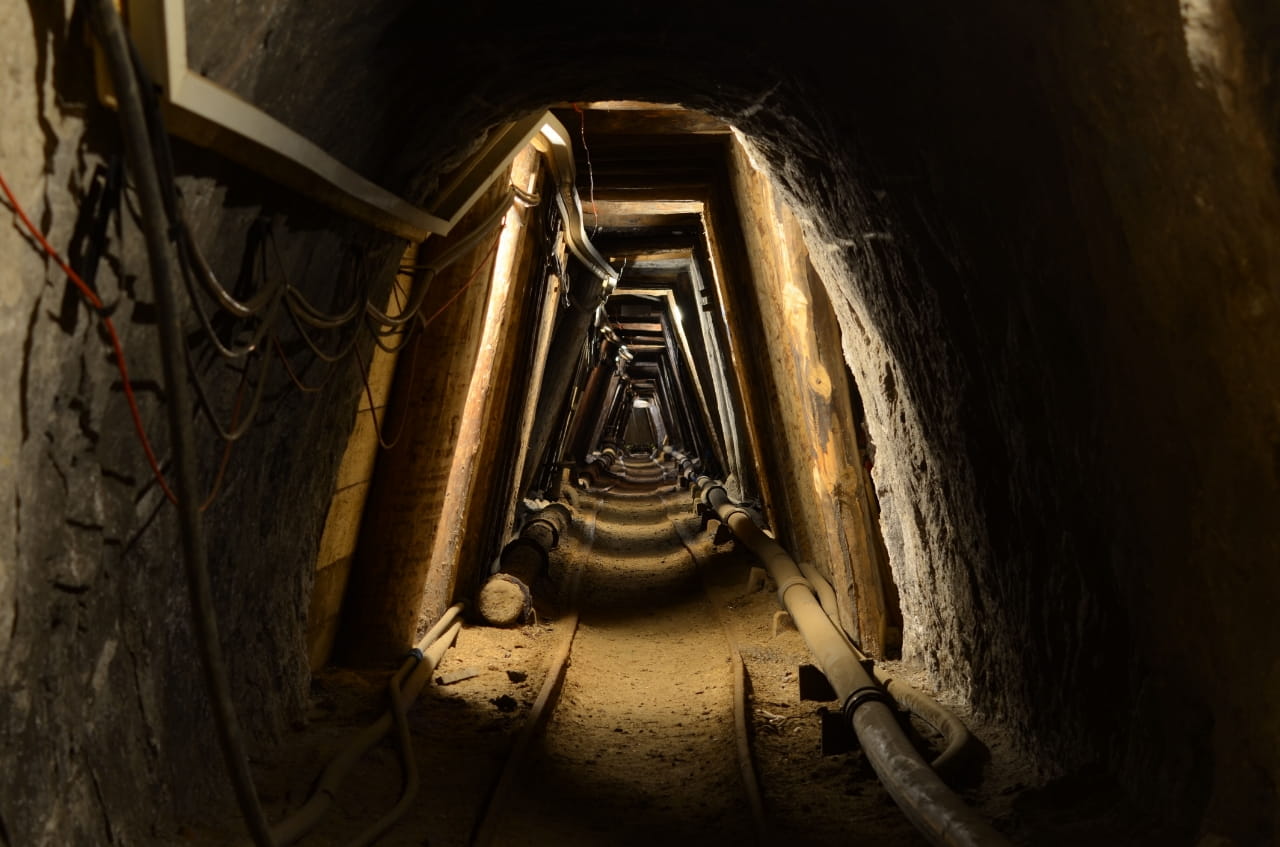 A tunnel inside the Hallstatt salt mine. Credit: NHM Wien, Daniel Brandner
People began living in the high valley above Hallstatt and producing salt about 7,300 years ago. Archaeologists have found Neolithic tools inside the mountain, including deer-antler picks and stone tools. By about 1200 BCE, salt production had reached a large scale, with workers producing around 1.5 tons of salt each day.
Mining continued through several periods, even after major landslides filled earlier underground workings. The landslides buried the empty chambers with material from the surface. Yet miners returned within a few years and began working again.
Archaeologists already knew about Iron Age mining from the sixth century BCE. This period is also linked to the famous “Man in the Salt,” a miner whose well-preserved body was found in 1734. He likely died during a major landslide, although people at the time didn’t know his body was prehistoric.
 Illustration of prehistoric miners working inside the Hallstatt salt mine. Credit: NHM Wien, Dominik Groebner
Much of Hallstatt’s prehistoric mine has stayed unknown. Researchers often knew only areas where later mining cut into older workings. New core drilling began in 2022 to search for untouched sections deeper inside the mountain.
The drilling revealed something unexpected. Instead of one huge underground space, researchers found several chambers running parallel to one another. Some lie above or below others, forming a large mining complex.
The chambers follow the natural salt deposits inside the mountain. Their layout shows how Iron Age miners adjusted their work to the mountain’s geology. Researchers have traced the newly found workings for at least 300 meters.
The chambers reach about 25 meters in width and around 20 meters in height. Their floors hold waste from mining activity, with some layers reaching nine meters thick. The material includes burnt pine splinters, broken tools, pieces of clothing and human waste.
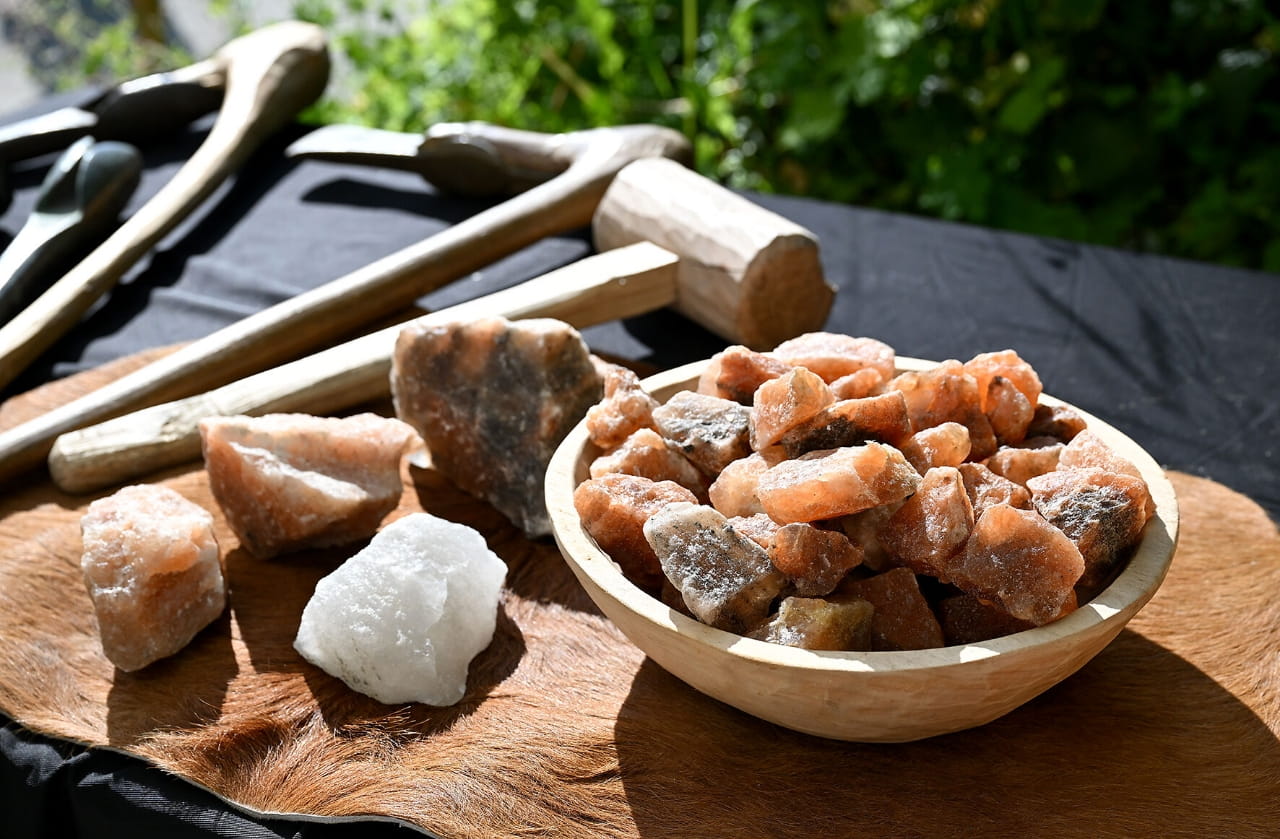 A wooden bowl containing salt crystals, with prehistoric-style mining tools in the background. Credit: NHM Wien, Chloe Potter
Salt helped preserve many of these remains. Archaeologists have found textiles and clothing fragments, wooden bowls with food remains, and human waste. DNA from the miners and DNA from foods they ate also survived in the deposits.
The finds point to changes in mining methods during the Iron Age. Tool handles differ from those used during earlier phases, when mining tools followed more standard forms. Researchers also see close similarities with finds from Dürrnberg near Hallein in Salzburg, where salt mining began during the sixth century BCE.
The newly exposed chambers offer a rare chance to study daily work inside an Iron Age salt mine. Small remains from food, clothing and mining waste help researchers examine both technology and life underground.
Research also continues in older parts of the Hallstatt mine. A major restoration project is repairing tunnels built 200 to 300 years ago. The work will reopen old excavation areas for study with newer research methods.
The new findings will also feature during “Archaeology on the Mountain” on September 12 and 13, 2026. The event focuses on how people transported salt from prehistoric times to the present. Demonstrations cover early transport methods, wooden brine pipes, railways and the modern funicular railway.
More information: NHM Wien / APA report via Salzburger Nachrichten