
Three days of high-level competition in Budapest brought the Hungary Grand Slam 2026 to a close, with athletes from 67 nations delivering the intensity, technical quality and competitive depth that have become the hallmark of the World Judo Tour.
After a total of fourteen weight categories, the final day offered a fitting conclusion to the event. Established champions confirmed their status, while emerging athletes used the stage to take significant steps forward. The competition demonstrated the breadth of international judo, with medals shared among nations from all corners of the world and performances that will resonate well beyond this weekend.
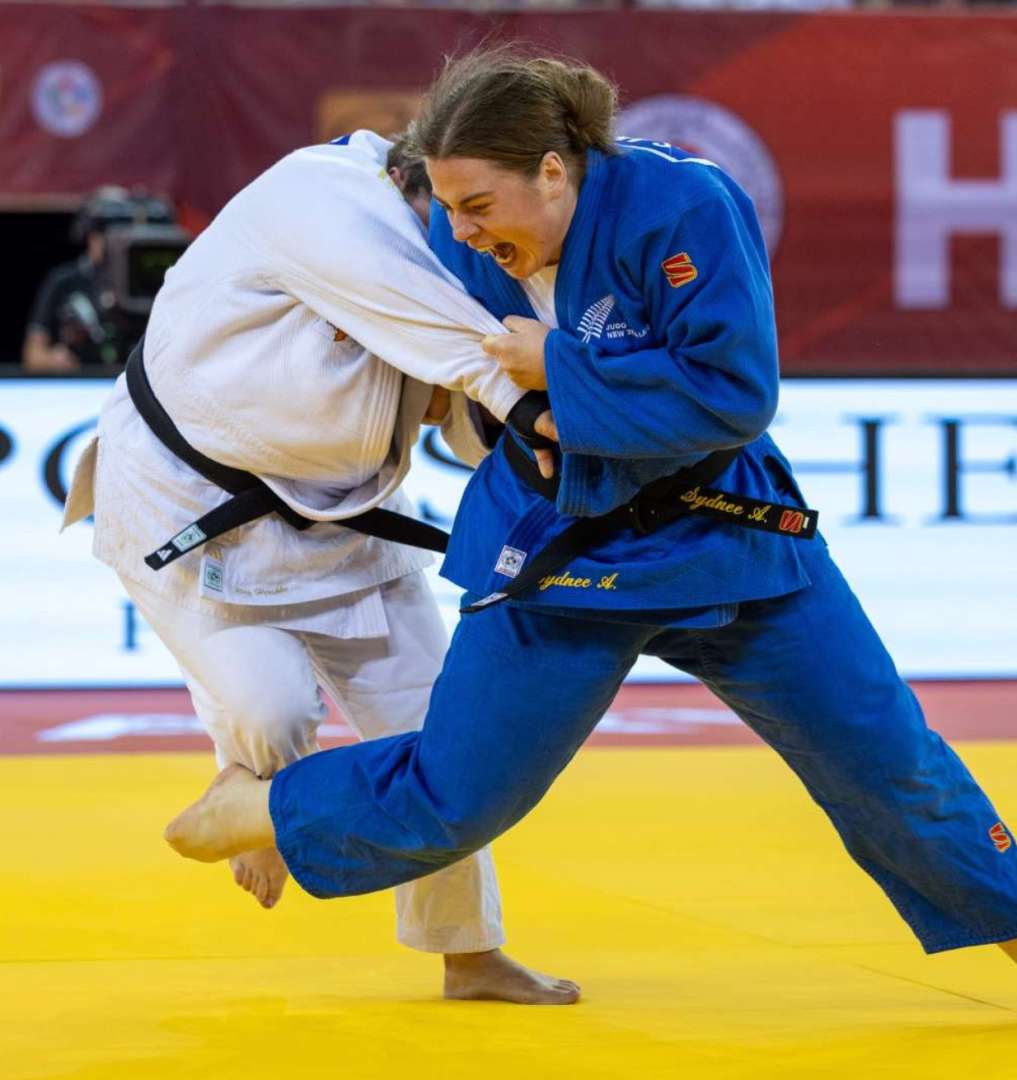
Japan finished at the top of the medal table with three gold medals, one silver and three bronzes. The Russian Federation followed with two gold medals, two silvers and one bronze, while Israel also claimed two titles, alongside a bronze medal. Brazil completed the leading group with one gold, one silver and one bronze.
Azerbaijan, Italy, Spain, Croatia, Bulgaria and Greece also celebrated gold-medal successes. Beyond the titles, the standings reflected the depth of the field, many athletes collecting valuable results in fifth or seventh places, as well as those on the podium. It was a reminder that progress on the World Judo Tour is measured not only in medals but also in the consistency required to remain competitive at this level.
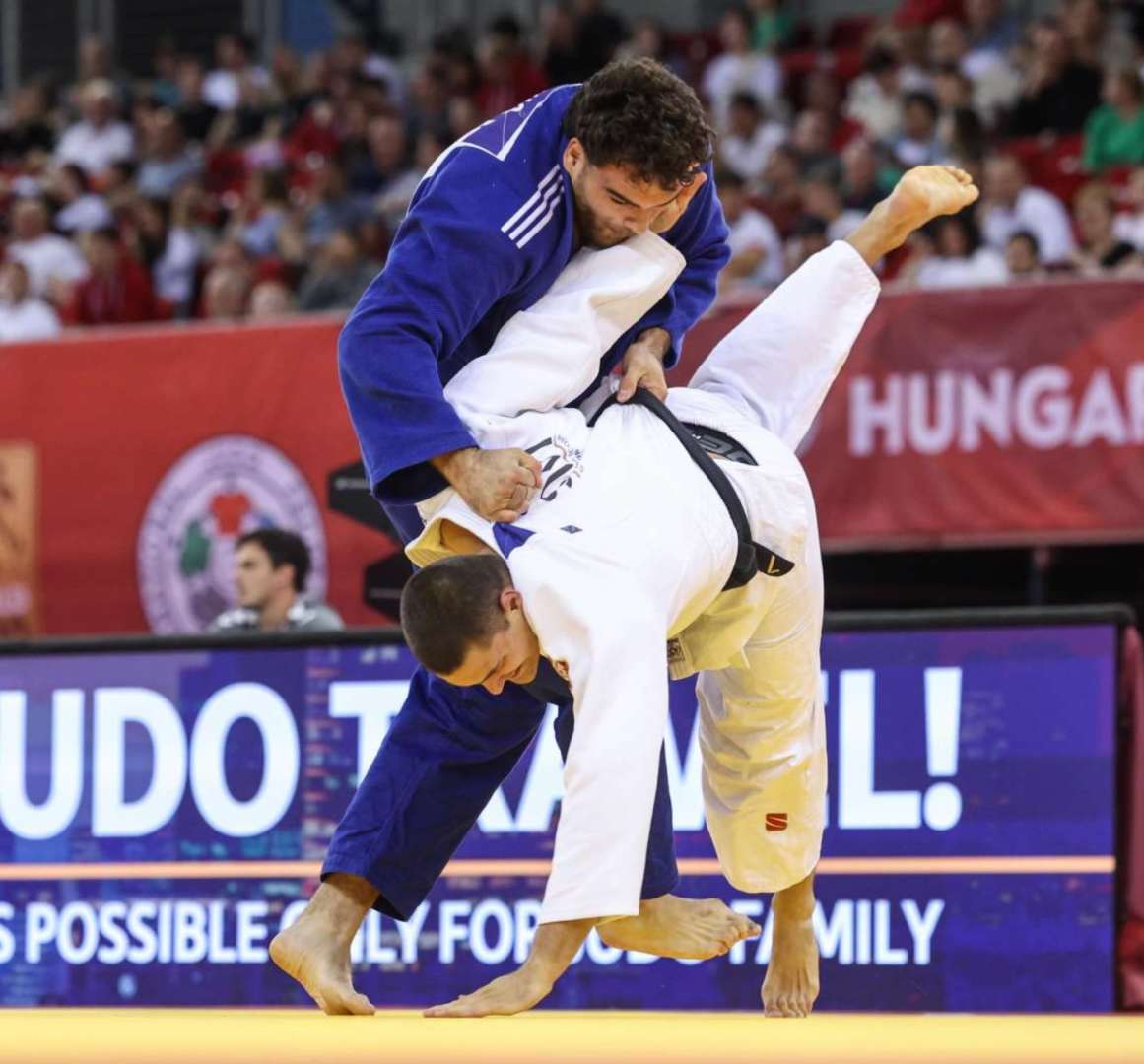
Budapest once again provided a setting worthy of the occasion. The Hungary Grand Slam combined the experience of leading international athletes with the energy of a new generation while the arena welcomed judo in all its technical, competitive and human dimensions.
The World Judo Tour now takes a short pause before the season’s next major occasion: the Baku World Championships. Before then, Sarajevo will welcome the judo family next weekend for the Veterans World Championships and Kata World Championships, where experience, technical mastery and the transmission of judo will take centre stage once more.