
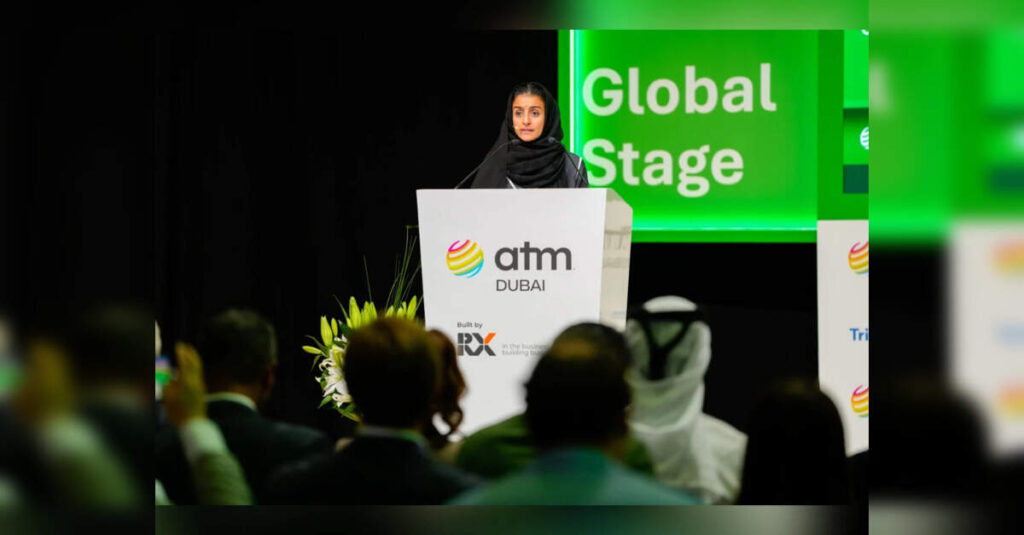
 Tourism policymakers and industry leaders from the UAE, Bahrain, Uzbekistan, the European Commission and the United Nations discussed the recovery and future of GCC tourism at Arabian Travel Market (ATM) 2026, highlighting the sector’s resilience amid geopolitical challenges.The discussions focused on the role of tourism in supporting regional economies, strengthening international cooperation and maintaining visitor flows during periods of uncertainty. Policymakers also highlighted the importance of contingency planning and strong multilateral relationships in helping destinations respond to external disruptions.Tourism contributes more than 11 per cent of GDP across Gulf countries, exceeding the global average and underscoring its growing importance to regional economic activity.Representatives at ATM 2026 pointed to the GCC’s coordinated response to geopolitical challenges as a factor supporting the sector’s recovery. Cooperation between governments, tourism authorities and international organisations was identified as important for maintaining confidence and ensuring the continuity of tourism activity.The discussions also examined the future direction of tourism in the Gulf, with policymakers emphasising the need for resilient strategies as the region continues to expand its tourism offering and strengthen its position in international travel.The participation of representatives from the UAE, Bahrain, Uzbekistan, European Commission and UN brought together regional and international perspectives on tourism recovery and long-term growth.Tourism policymakers and industry leaders from the UAE, Bahrain, Uzbekistan, the European Commission and the United Nations discussed the recovery and future of GCC tourism at Arabian Travel Market (ATM) 2026, highlighting the sector’s resilience amid geopolitical challenges.The discussions focused on the role of tourism in supporting regional economies, strengthening international cooperation and maintaining visitor flows during periods of uncertainty. Policymakers also highlighted the importance of contingency planning and strong multilateral relationships in helping destinations respond to external disruptions.Tourism contributes more than 11 per cent of GDP across Gulf countries, exceeding the global average and underscoring its growing importance to regional economic activity.Representatives at ATM 2026 pointed to the GCC’s coordinated response to geopolitical challenges as a factor supporting the sector’s recovery. Cooperation between governments, tourism authorities and international organisations was identified as important for maintaining confidence and ensuring the continuity of tourism activity.The discussions also examined the future direction of tourism in the Gulf, with policymakers emphasising the need for resilient strategies as the region continues to expand its tourism offering and strengthen its position in international travel.The participation of representatives from the UAE, Bahrain, Uzbekistan, European Commission and UN brought together regional and international perspectives on tourism recovery and long-term growth.