
Crypto markets dropped late on Tuesday and early Wednesday, as investors digested a defeat that few in the industry had expected.
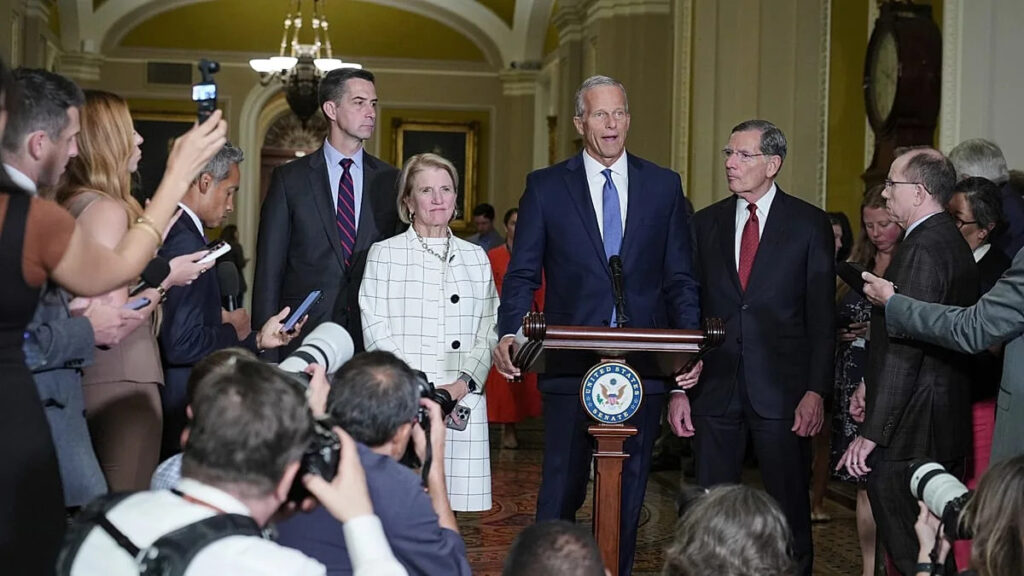
The procedural motion on the CLARITY Act drew 49 votes in favour and 50 against, 11 short of the 60 required to advance, dealing a major setback to efforts to pass market structure legislation this year.
The CLARITY Act, formally the Digital Asset Market Clarity Act, was meant to divide supervision of digital assets between the US Commodity Futures Trading Commission and the Securities and Exchange Commission, replacing a fragmented system in which classification has largely been settled through enforcement actions and litigation.
Bitcoin fell almost 34 over the past 24 hours to below $76,000, while HYPE, the token behind the decentralised exchange Hyperliquid, which stood to benefit from the legislation, also dropped about 4% to below $78.
Most major tokens fell alongside them.
A deal that still was not enough
The bill’s defeat is striking because so much had been conceded.
US President Donald Trump agreed over the weekend to ethics restrictions he had long resisted, including a requirement that federal officials and their spouses divest significant financial interests in crypto issuers or place them in a blind trust, and a role for state attorneys general in enforcing those rules.
Republican negotiators said that over 120 Democratic requests were written into the final text of the more than 600-page bill, representing a major bipartisan effort.
Still, it was not enough.
Four Republicans, Jerry Moran, Susan Collins, Josh Hawley and Thom Tillis, joined the 45 Democrats who voted against it. The Democratic Senator Chris Coons did not vote.
Related
Democratic Senator Elizabeth Warren, the bill’s most prominent opponent, said it “fails to adequately protect investors, our financial system and our national security,” and attacked Trump’s crypto ventures on the US Senate floor hours before the vote.
Republican Senator Thom Tillis’s vote was a procedural exception. After having publicly backing the ethics package that morning, Tillis voted no to preserve a motion to reconsider, leaving open the possibility of another cloture vote.
Senator Cynthia Lummis, the Wyoming Republican who has led crypto legislation in the US Senate since co-authoring the Responsible Financial Innovation Act in 2022, was blunt afterwards.