
Lead is a heavy metal that has caused significant environmental contamination over the years due to its use in industrial and commercial settings. It is now banned from use in many products, but ammunition is one lead product that is still widely produced and used by hunters. When a lead bullet makes contact with an animal, it fractures into millions of tiny fragments, instantly contaminating the game meat. This increases the risk of lead poisoning for the person or the wild animal that eats it.
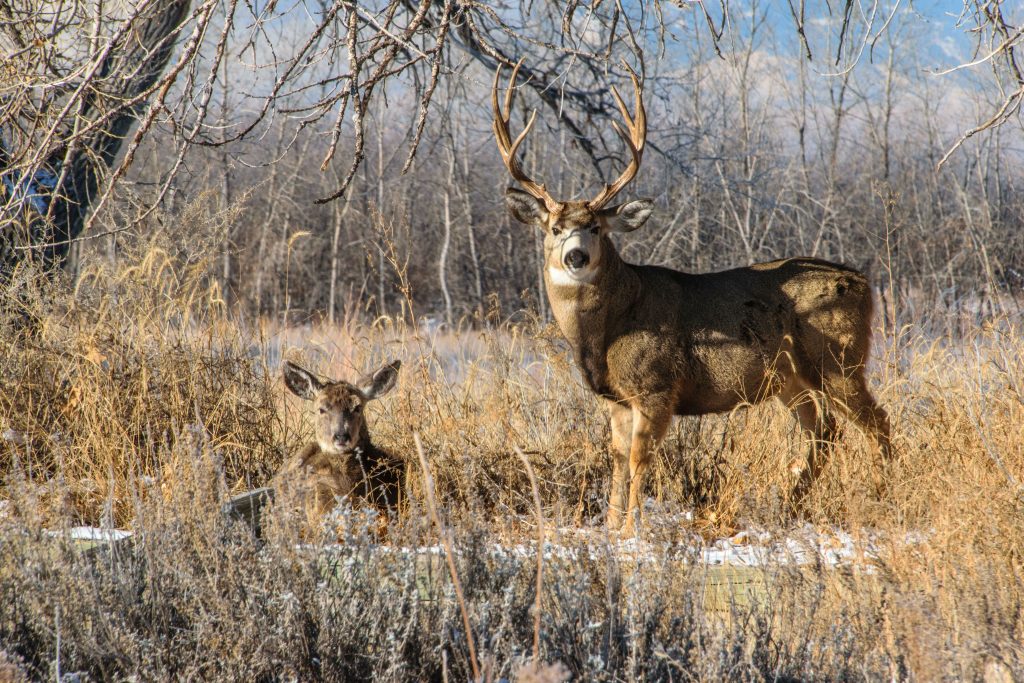
Thriving ecosystems require ecological regulation through predation. In Colorado, managing the populations of elk and deer requires human intervention as the populations of natural predators dwindle. The primary mode of regulation is hunting, and Colorado Parks and Wildlife provides a framework for hunters about how to most effectively manage populations. These practices improve the health of deer and elk herds, support growth on overgrazed land, and benefit scavengers that eat scraps left from hunting.
For hunting to be truly beneficial for the ecosystem, hunters must avoid introducing lead contamination by using lead-free ammunition. Anytime an animal is shot and not retrieved from the field, the lead from the fragmented ammunition will enter the food chain. This can occur when a scavenger ingests the deceased animal and the tiny lead fragments that contaminated its body. When the scavenger that ingested the lead eventually passes, another animal may ingest the lead, or it could seep into the soil. This cycle can continue for thousands of years, as lead does not naturally degrade over time. National studies state that 134 species of wildlife are affected by the use of lead ammunition, including the bald and golden eagles, hawks, ravens, turkey vultures, and grizzly bears. Animals suffering from lead poisoning can endure long and painful deaths, in which they become severely emaciated, paralyzed, profoundly weak and experience organ failure. Young animals experiencing lead poisoning can suffer from impaired brain development and decreased growth rates.
Despite the known risks of hunting with lead ammunition, on March 18, the U.S. House of Representatives passed HR 556, the Protecting Access for Hunters and Anglers Act. This legislation prohibits bans on lead ammunition and tackle use on federal lands or waters. The vice chairman of the House Natural Resources Committee claims that the legislation is “critical to preserving access for sportsmen and women who rely on traditional lead fishing tackle and ammunition, and it reinforces the use of sound science in decision-making.” This legislation allows for hunters to make their own choice when deciding which ammunition to use.
Hunters turn to lead ammunition for a variety of reasons, whether it be familiarity or perceived ease of access. But by switching to lead-free ammunition, hunters can increase the longevity of the ecosystems that they rely upon for hunting. Studies by Colorado Parks and Wildlife have shown that nonlead copper bullets do not fragment and only lose 1% of their weight upon impact. Lead bullets fragment and lose at least 30% of their weight. Hunters can very easily extract copper bullets from deceased animals, and the impact of copper bullets is also enough for a quick and ethical kill. Nonlead ammunition is just as readily available and affordable as lead ammunition, making the switch accessible.

Support Local JournalismDonate
Hunting is crucial for balancing modern ecosystems, but how people hunt and what ammunition they use determines how beneficial it really is. Recent policies encourage hunters to make their own choices when it comes to ammunition. By choosing the lead-free option, hunters will save the lives of many animals and reap the benefits of an overall healthier and more prosperous ecosystem for hunting.
Elsie Lindsay is a naturalist at Walking Mountains who has never once gone hunting.