
Torture and inhuman treatment continues while the right to seek asylum is under threat. At least 126 LGBTI people are still in urgent need of help.
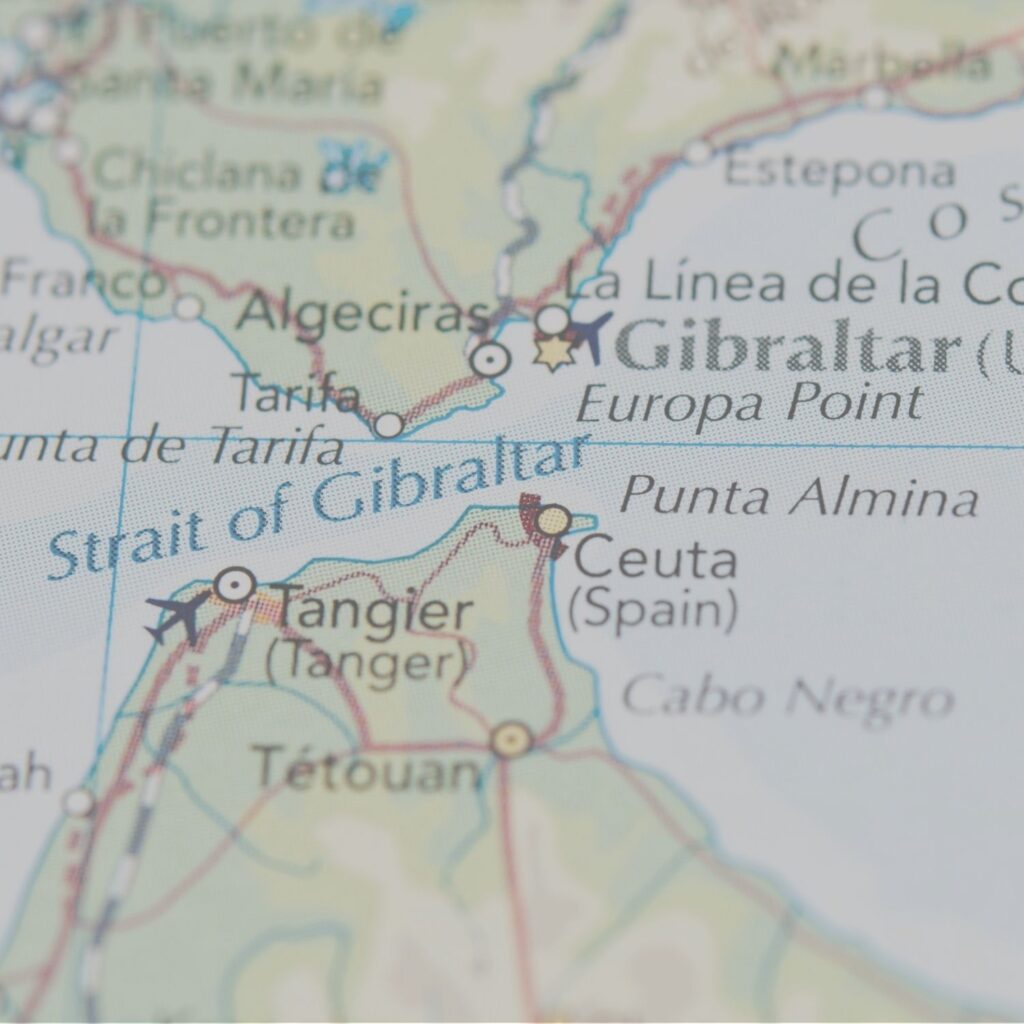
Two months have now passed since an estimated 72,000 people on the move crossed the border from Morocco into Ceuta, Spanish territory in North Africa, with at least 141 people reported dead on both sides of the border and around 10,000 people still believed to remain there. During this period, migrants and asylum seekers kept facing violence, racial harassment and hostility, including physical attacks, threats against people perceived to be migrants, and reports of deliberately set fires. Reports also documented attacks against children and racialised residents, which have deepened the climate of racist intimidation and hostility in the city.
Spanish military forces deployed in the area have also reportedly committed threats and violence. Amnesty International has reported cases of cruel, inhuman and degrading treatment of migrants and asylum seekers, including 22 testimonies describing abuse by military forces, which Amnesty says of may constitute torture, alongside undignified reception conditions. “We have orders to make sure they do not feel comfortable,” stated a military officer. In response, Spain’s Defence Ministry has alerted prosecutors and ordered an internal probe.
Urgent need of effective access to protection and individual assessment
Among those at greater risk are 2,383 unaccompanied migrant children, of whom an estimated 500 to 700 are currently living on the streets without any form of protection or support. Around 800 women, some accompanied by children, are also reportedly living on the streets. The death of a child who was unable to access the medication needed to manage his diabetes further highlighted the urgent need to identify individual protection needs and put in place appropriate measures to address them.
Border Resistance, one of the main collectives working to protect people on the move in Ceuta, has repeatedly documented the specific risks and forms of violence faced by at least 126 LGBTI people in the territory. Initially, some were not admitted to the reception centres (CETIs), leaving them without access to the protection and support. They have reported physical assaults, theft, death threats and degrading treatment, all while experiencing homelessness in the surrounding wooded areas and within the CETIs. These accounts also describe violence at the hands of Spanish authorities responsible for their protection, including reports of military personnel beating people and forcing them to hand over their mobile phones. In another case, a group was expelled from a reception centre and subsequently assaulted by military personnel, with the victim linking the attack to her identity as a trans woman. Testimonies include punches to the face, kicks by police officers, and homophobic and transphobic insults.
Homophobic and transphobic violence has also been reported within reception centres and camps, including by staff responsible for their management, particularly against lesbian and trans women. One testimony recounts staff shouting, “Lesbians, watch your head,” while others describe insults and harassment linked to their sexual orientation or gender identity. A trans woman from Morocco described her situation as follows: “I am afraid and I am not protected,” adding that she had experienced abuse and threats and was “living in a constant state of danger.” Similarly, a gay man who faced threats of deportation to Morocco, stated: “I cannot keep living while hiding my sexuality and being subjected to insults.”
In response, the collectives actively working for the protection of the LGBTI people facing violence and in Ceuta launched an urgent call to get funds to directly assist the communities in need. The priority is to help those sleeping rough access safe temporary accommodation, food, drinking water, clothing and other basic necessities while more stable solutions are sought. Donations are being used to cover emergency accommodation in hotels or hostels and essential items needed to keep people safe.
We encourage our members and the wider LGBTI movement to amplify these appeals, support the collectives responding in Ceuta, and work alongside migrant-led and migrant justice organisations to sustain pressure for protection.
EU and Spanish policy developments further put fundamental rights at risk
Tomorrow, October 6, the Spanish Council of Ministers will debate a decree-law aimed at speeding up returns from Ceuta, including reducing the deadline to apply for asylum to seven days, excluding UNHCR from the procedure and limiting safeguards against removal. These measures could severely restrict access to asylum and undermine the principle of non-refoulement, particularly for people who lack access to legal assistance, interpreters or digital services. This comes as the EU Council approved new deportation rules on 1 October, further strengthening procedures for deporting people and allowing Member States to establish return hubs in non-EU countries.
Ursula von der Leyen recently promised plans to accelerate deportations, allow “time-limited flexibility of standard procedures” and expand Frontex’s role. Such time-limited measures, which are expected to be implemented in cases like Ceuta or the green border between Poland and Belarus, would increase the risk of refoulement, particularly for people at heightened risk of persecution, harassment or violence because of their age, ethnicity, religion, sexual orientation or gender identity.
Spanish authorities must ensure dignified reception for everyone arriving in Ceuta, effective access to asylum procedures and individual assessment of protection needs, investigate reported abuses independently, and prevent returns that expose people to persecution or serious harm.
The European Commission must stop promoting faster deportations at the expense of protection and fulfil its responsibility to enforce EU asylum law, including where Spain’s measures undermine access to asylum or safeguards against return to persecution or serious harm.
European parliamentarians must challenge this direction and hold both the Commission and national governments accountable for its consequences.
Ceuta must remain on Europe’s political agenda until protection is secured.
In response, the collectives working to protect LGBTI people facing violence in Ceuta have launched an urgent call for funds to directly assist the communities in need.