
Montenegro will end visa-free travel arrangements for citizens of five countries on November 1, 2026, introducing new entry requirements for travelers from Russia, Belarus, China, Saudi Arabia and Türkiye.
The changes, confirmed by Montenegro’s Ministry of Foreign Affairs, are part of the country’s efforts to align its visa policy with European Union requirements ahead of potential EU membership.
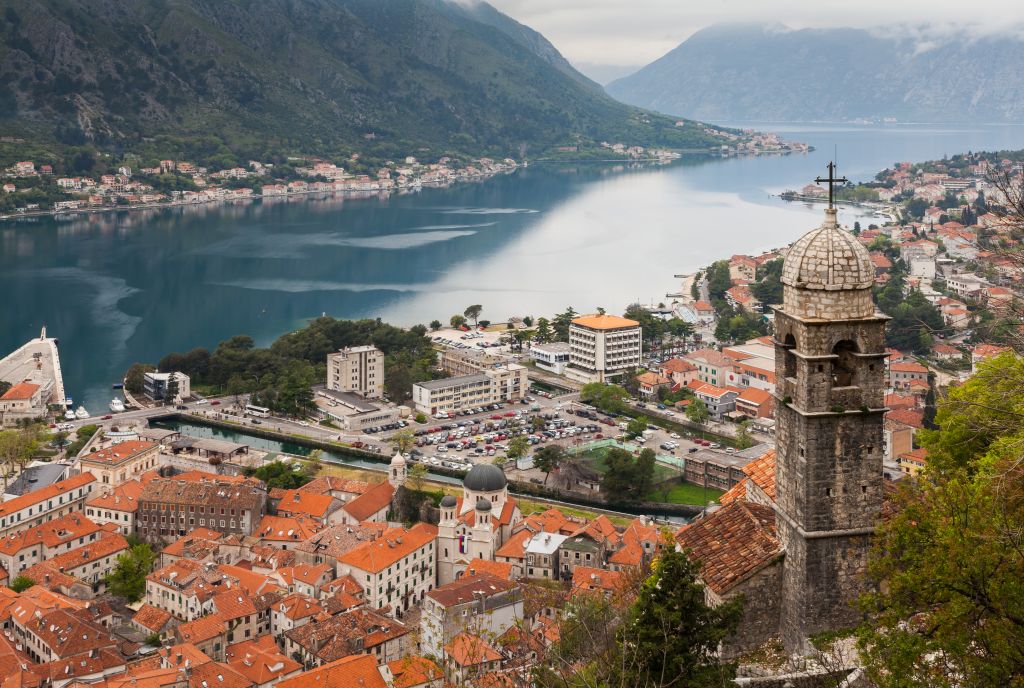
The new rules affect visitors to popular Adriatic destinations including Budva, Kotor, Tivat and Herceg Novi. Travelers who previously qualified for visa-free entry will generally need to obtain a Montenegrin visa unless they hold documents qualifying them for an exemption.
Montenegro Introduces Visa Requirements for Five Countries
Under a government regulation adopted on July 23, Montenegro will require visas from November 1 for citizens of the following countries:
- Russia
- Belarus
- China
- Saudi Arabia
- Türkiye
The current visa-free arrangements remain valid until October 31, 2026, subject to their existing conditions.
The new requirements represent a significant change for Montenegro’s tourism industry, particularly for markets that have traditionally benefited from relatively straightforward entry procedures.
On October 21, Russian Ambassador to Montenegro Alexander Lukashik confirmed that the Montenegrin authorities had formally notified Moscow about the termination of the bilateral visa-free agreement.
The Russian confirmation follows Montenegro’s earlier announcement that the new requirements would apply to all five nationalities.
READ MORE:
Travelers With Schengen Visas May Qualify for Exemptions
The introduction of visa requirements does not mean that every traveler from the five affected countries must obtain a separate Montenegrin visa.
Montenegro allows certain foreign nationals holding valid Schengen visas, or qualifying visas and residence permits issued by the United States, United Kingdom or Ireland, to enter for up to 30 days.
The permitted stay cannot exceed the remaining validity of the qualifying travel document.
Additional exemptions may apply depending on nationality, document type and individual circumstances.
Travelers should verify the rules applicable to their passports before departure, particularly when relying on residence permits or visas issued by another country.
Montenegro is not part of the Schengen Area, and a Montenegrin visa does not provide automatic access to Schengen countries.
Montenegro Expands Visa Applications Through VFS Global
To support the transition, Montenegro has expanded cooperation with VFS Global, allowing applicants to submit visa requests through authorised application centres in participating countries.
Russian citizens can apply through designated VFS Global centres in Russia or directly through Montenegro’s embassy in Moscow.
Applicants must provide the required supporting documents, with visa decisions made by the relevant Montenegrin authorities.
Travelers from China, Belarus, Saudi Arabia and Türkiye should consult Montenegro’s diplomatic missions and official visa information to determine where applications can be submitted.
The government is also developing a new Visa Information System compatible with European standards, with plans to introduce electronic visa applications in the future.
However, the planned electronic visa system should not be confused with an already operational e-visa service.
Visa Changes Form Part of Montenegro’s EU Accession Plans
Montenegro introduced the changes as part of its ongoing negotiations to join the European Union.
In July, the Ministry of Foreign Affairs announced that aligning its visa policy with EU requirements fulfilled an important benchmark under Chapter 24 of the accession process, which covers justice, freedom and security.
The government said the changes also supported access to approximately €4 million in funding under the EU Growth Plan for the Western Balkans.
Montenegro has been working to align its border management, immigration and visa policies with EU standards as part of the accession process.
The country remains outside the European Union, and the November 1 changes do not mean Montenegro is joining the Schengen Area on that date.
What the New Rules Mean for Montenegro Tourism
The visa changes could affect travel planning for visitors from several important international markets, particularly those accustomed to entering Montenegro without advance visa applications.
Montenegro’s Adriatic coast attracts visitors to destinations including Budva, Kotor, Tivat and Herceg Novi, while its northern mountains and national parks support year-round tourism.
Travelers may need to allow additional time for visa applications before booking flights, accommodation and holiday packages.
The actual effect on tourism arrivals remains uncertain, as some visitors may continue to qualify for entry using valid visas or residence permits issued by other countries.
Montenegro’s new requirements will take effect on November 1, 2026. Travelers planning visits from that date should consult the Ministry of Foreign Affairs and confirm their entry requirements before departure.