

Summary
- Denmark trialed Collabora to ditch Microsoft Office, but it failed to open some OOXML files.
- A 38-person trial was paused for elections and later canceled after persistent import issues.
- Proprietary OOXML format makes migration painful; as long as proprietary files remain, swaps won’t be seamless.
Some European countries are taking their first steps toward digital sovereignty by removing their dependency on foreign tech. One such hurdle is getting rid of Microsoft products, such as Windows and Office, which is easy enough on paper. The only question is, what do you replace it with?
Well, it turns out that Denmark has concluded: whatever its Office replacement will be, it definitely won’t be Collabora. It has been announced that its trials with Collabora have come to an end because it can’t use it to open its existing Microsoft Office files.
Denmark’s efforts to migrate from Microsoft Office come to a halt
Collabora just wasn’t doing the job it wanted
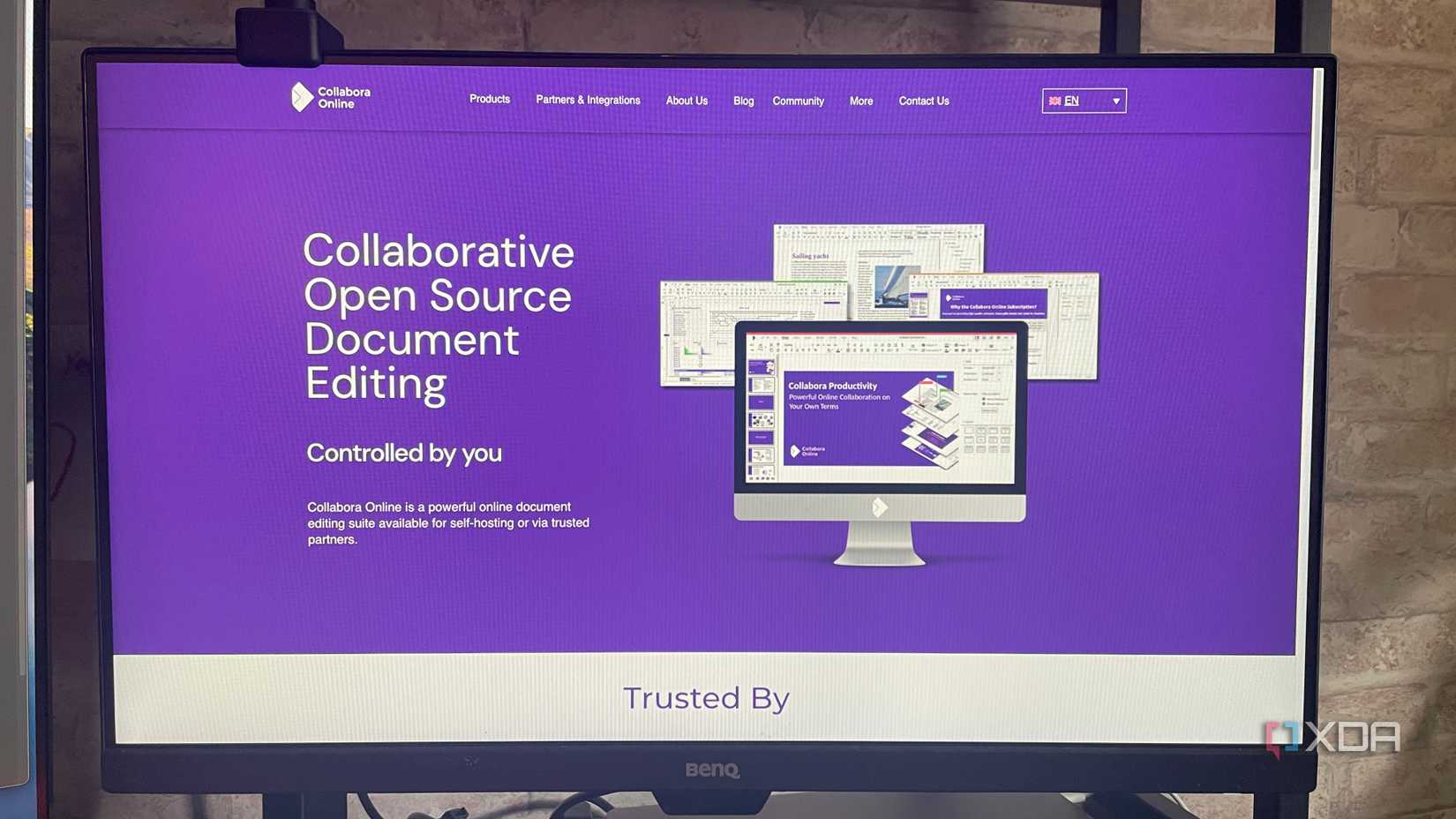
As spotted by Neowin, Denmark’s government originally declared its intent to cut its dependency on Microsoft Office by swapping over to Collabora. However, during the trial with 38 employees, they quickly discovered there were issues with trying to import Microsoft’s proprietary OOXML format into the software. Sometimes, the pages they were trying to load ended up blank when loaded in the UK-based open-source productivity suite.
The trial was then put on pause earlier this year for the elections, and now has been canned altogether. It’s unclear whether Denmark will return to Microsoft Office or if it will try another trial with a different suite. However, this does give us a real-world example of LibreOffice’s argument against the use of OOXML. As long as people continue to use proprietary software, swapping to a different suite will always be a hassle, and one could argue that’s exactly what the company is banking on.

Related
Euro-Office claimed to fight Microsoft, but it just made the problem worse
“Open-source” doesn’t always mean it’s good for digital sovereignty.