
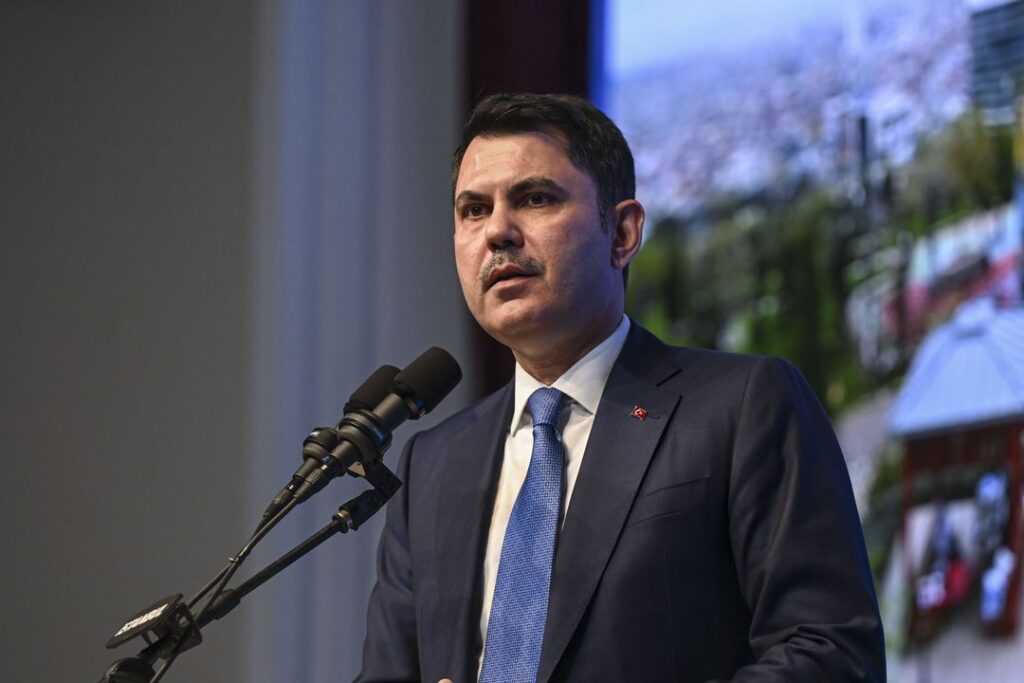
Türkiye’s Environment Minister Murat Kurum has pledged to keep the 1.5-degree climate goal at the heart of COP31, warning that the world must confront the prospect of overshooting it while turning past commitments into concrete results.
“We will not look away, and we will not lower our ambition. The 1.5-degree target remains our compass, and our duty is to do everything in our power to return to it,” said Kurum, the summit’s president-designate.
In comments published on the UN Climate Change website on Thursday ahead of the Antalya conference, Kurum said record-breaking temperatures were bringing devastation faster than expected and beyond many communities’ capacity to cope.
“This is the first COP where it is clear beyond reasonable doubt that the world will overshoot the 1.5-degree target,” he said. “In Antalya, we must start to respond to the new realities of overshoot.”
Kurum said delivering on existing financial commitments would be essential, pointing to the agreement reached in Baku to mobilise at least $300 billion annually for developing countries by 2035.
“We do not need new targets. We need to deliver on the ones we have, with developed countries taking the lead.”

Related
‘Electrification is the answer’
Kurum placed electrification at the centre of the summit’s agenda, arguing that the energy crisis had exposed the risks of dependence on imported energy.
“Electrification is the answer. It protects communities from volatile global markets and cuts emissions,” he said.
He also highlighted zero waste and methane reduction as practical ways to tackle warming, alongside efforts to help cities and coastal communities withstand rising temperatures and sea levels.
‘Finance must reach people faster, with less red tape’
UN Climate Change Executive Secretary Simon Stiell similarly linked climate action to household costs and energy security, warning that fossil-fuel price pressures and worsening disasters were hurting economies and communities worldwide.
“Now more than ever, the climate crisis and its causes are on every kitchen table, hitting every economy and population hard,” he said in comments published alongside Kurum’s.
Stiell said electrification and clean energy could lower household bills, while stronger resilience would help protect communities from worsening climate impacts.