
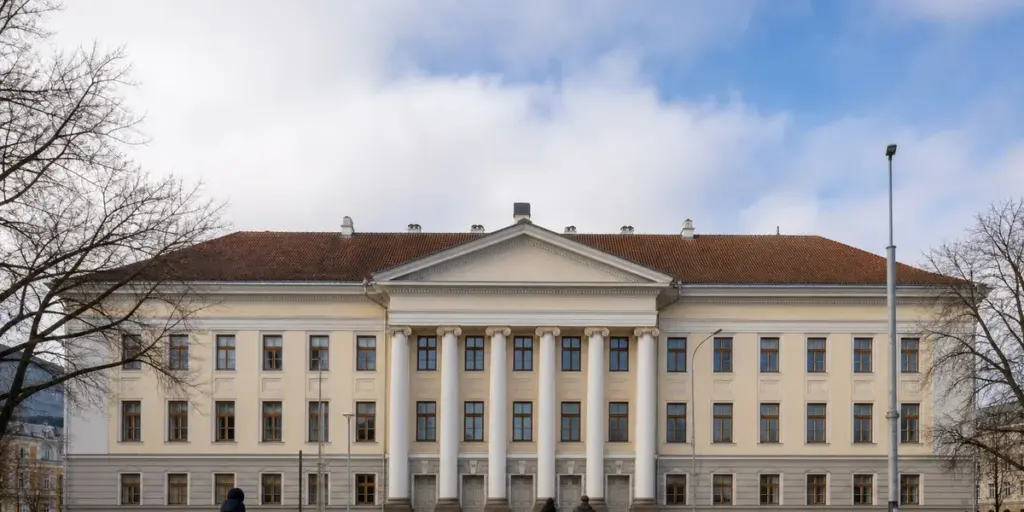
The Supreme Court of Estonia has partially rehabilitated Imre Arakas, whom the Supreme Court of the Estonian SSR sentenced in 1979 to 15 years in prison with confiscation of property. The court found that several episodes in his case were connected to resistance against the Soviet regime, ERR News reports.
Which episodes were reviewed
In 1979, Arakas was found guilty, among other things, of attempting to leave the USSR by boat without permission, thefts, illegal possession of weapons, and armed attacks. The escape attempt failed due to an engine malfunction: wind and waves carried the boat back to shore.
The Supreme Court overturned Arakas’s conviction and rehabilitated him in relation to episodes it recognized as acts of resistance. These included stealing boats and engines to prepare an escape abroad, acquiring and stealing weapons, and taking equipment from a police vehicle. The court concluded that the case materials convincingly demonstrated Arakas’s intention to offer armed resistance to the Soviet authorities.
At the same time, the court upheld the conviction for stealing two umbrellas from a car, as it did not establish a connection between this episode and the struggle for freedom. The state must also reimburse Arakas €700 in legal costs.
More current news is available on the UA.News Telegram channel Telegram.
Another applicant was denied
The court also rejected a rehabilitation application from another man who was sentenced in 1979 to 12 years in a strict-regime corrective labor camp. His sentence was reduced in 1988 to nine years and three months.
Lawyer Sven Sillar asked for a review of the part of the verdict related to the theft of 13 firearms and ammunition from the premises of the Dünamo sports society. However, the Criminal Chamber of the Supreme Court stressed that the motives of each participant must be assessed separately. In the materials of this applicant’s case, the court found no evidence that he had acted as a freedom fighter, so the verdict and sentence remained in force.
Estonian law allows for the rehabilitation of persons convicted by courts in Estonia or other parts of the former USSR between June 16, 1940, and August 20, 1991, if it is proven that their actions were committed in the struggle for Estonia’s independence or against injustices toward the Estonian people.
Read us on


Download our app


