
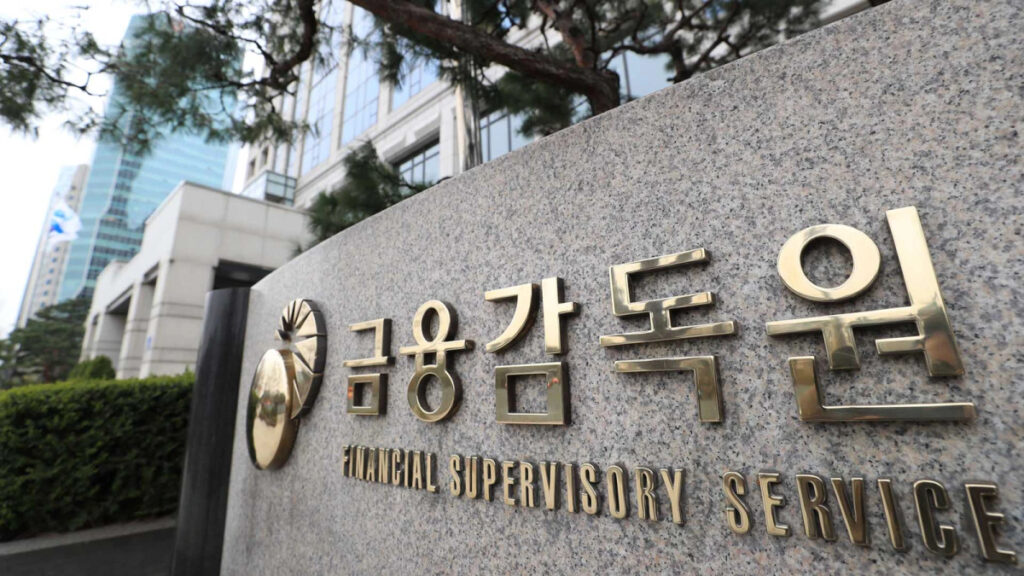
With personal data leaks and asset thefts occurring in quick succession at South Korean cryptocurrency exchanges, financial authorities are summoning every industry security chief for an emergency response. The Financial Supervisory Service will hold a hacking-incident response meeting on Nov. 19 to scrutinize each operator’s security posture and measures to prevent a recurrence.
According to the crypto industry on Nov. 8, the meeting will bring together the chief information security officers (CISOs) of every crypto asset business registered in South Korea, including won-market and coin-market exchanges as well as custody providers. The FSS plans to examine each company’s security management and internal control operations, and to discuss hacking-prevention systems and post-incident follow-up measures.
The meeting was called in the wake of major security incidents over the past two months. Gopax first detected abnormal access to some accounts in early September, leading to the leak of user and employee personal data, and suffered another leak last month. On Nov. 6, it suspended all crypto asset deposits, withdrawals and trading after receiving a hacking threat email. The company is in the process of moving all of its holdings into cold wallets disconnected from the internet.
At Bithumb, a breach of its in-house mobile groupware Daou Office late last month exposed core information — including names, contact details and copies of ID documents — of 715 employees and 844 customers. Prabang, a coin-market exchange, also had about 100 million won (approximately $73,000) worth of crypto assets taken in unauthorized withdrawals from an internet-connected hot wallet, and the personal data of seven users was confirmed to have leaked as well.
Note: Compiled from company disclosures and industry accounts
Authorities are not limiting themselves to responding to individual incidents; they are also moving to overhaul security systems across the financial sector. On Nov. 5, South Korea’s Financial Services Commission announced a full inspection of internal control operations covering external access points and overall security management across the entire financial industry, including crypto asset businesses and electronic financial service providers. Industry anxiety has deepened further after it emerged that a large volume of assets was stolen in a hack at Binance, a major exchange outside South Korea, on top of the domestic incidents.
The affected companies are concentrating on damage control and prevention. With its service halted, Gopax is re-examining the leak’s path and cause from scratch. Bithumb applied emergency security measures immediately after the incident and, together with the Korea Internet & Security Agency (KISA), the FSS and other relevant bodies, is conducting a detailed analysis of how the breach occurred and whether there was further damage, while continuing follow-up work including security patches for Daou Office, the entry point for the hack.
The episode has made clear that a crypto business’s security capability is directly tied to its ability to keep operating. A single data leak or asset theft at an exchange can instantly destroy user trust and escalate into the worst-case scenario of suspended deposits and withdrawals. The industry expects the CISO meeting to mark the start of full-scale, unannounced inspections by authorities and a raising of security standards. Key items on the inspection list are expected to include the share of assets held in cold wallets, access controls for employees, and security management of outside contractors.
The authorities’ move places more weight on prevention than on punishment after the fact. It also reads as a signal that operators who fail to increase their own security investment may face higher regulatory compliance costs. Restoring trust across the crypto market will depend on how effectively the remedial measures produced at the Nov. 19 meeting are carried out, observers say.