
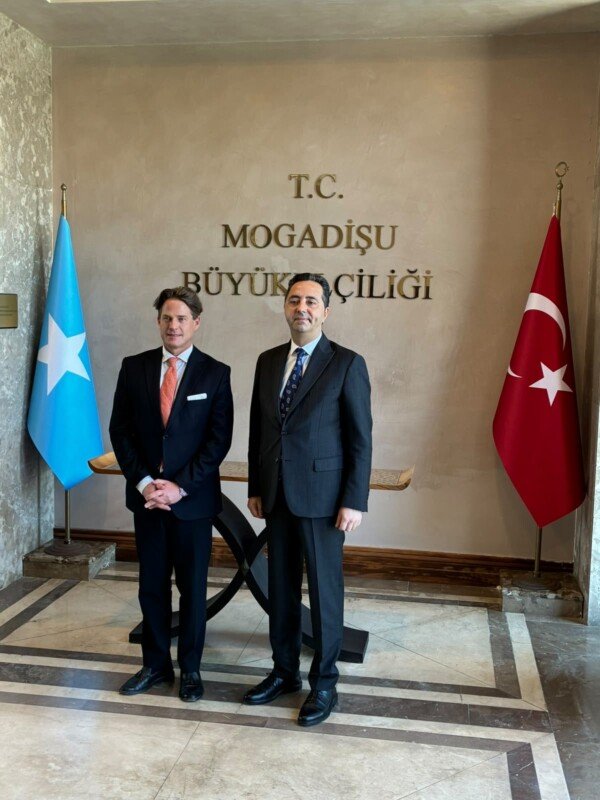
MOGADISHU, Sweden’s diplomatic mission in Mogadishu concluded three days of high-level consultations with Somali leaders, multilateral organizations, and peacekeeping troop-contributing countries on November 18, 2026, emphasizing that a broad domestic political agreement remains essential for stability and security. The talks brought together representatives from the African Union, the Intergovernmental Authority on Development (IGAD), European Union partners, and regional military contributors to evaluate Somalia’s political transition and the future trajectory of international engagement.
Political Consensus and Transition Pressures
In a public statement following the sessions, the Embassy of Sweden underscored that inclusive political dialogue is a prerequisite for sustaining security gains and institutional progress. The diplomatic push unfolds amid protracted domestic friction over constitutional amendments, electoral frameworks, and the balance of power between Villa Somalia and federal member states.
International actors have repeatedly sought to mediate deadlocks between federal authorities and opposition blocs, including earlier engagements in which the UN, EU, and Western embassies pledged support for political negotiations and urged stakeholders to resolve disputes over voting mechanisms. Those efforts followed mounting concern from multilateral bodies after the international community called for Somalia to resume dialogue amid an intensifying political standoff between Mogadishu and regional administrations.
Security Architecture and Bilateral Ties
Alongside political deliberations, the three-day meetings examined persistent security threats from Al-Shabaab and the evolving mandate of regional peacekeeping forces. Troop-contributing countries and donor partners are navigating complex logistical and financial adjustments as international missions reconfigure their footprint in the Horn of Africa, a shift highlighted as Uganda’s bilateral troops leave forward positions ahead of broader African Union transition timelines.
For Stockholm, the consultations also reflect sustained engagement in Mogadishu despite recent bilateral friction over migration policy. Just days earlier, Somalia’s Defence Minister met the Swedish Ambassador to review ongoing security cooperation even as disputes over asylum deportations strained broader diplomatic relations. Sweden remains a prominent contributor to multilateral stabilization mechanisms, having previously reaffirmed that Sweden continues support for Somalia’s state-building and community resilience programs.
FTL Critical Note
While three days of diplomatic consultations among Western donors, regional blocs, and Somali officials project coordinated international backing, repeated calls for a broad political agreement highlight how little substantive consensus has been achieved among Somali political elites. International partners frequently issue carefully worded appeals for inclusivity in Mogadishu, yet domestic actors have consistently treated donor-backed dialogue forums as tactical pauses rather than binding frameworks for power-sharing.
Furthermore, linking future international engagement to political stability exposes a persistent vulnerability in Somalia’s state-building model. As donor budgets tighten and peacekeeping missions draw down, federal institutions remain heavily reliant on external financial and military underwriting. Until Somali leaders demonstrate genuine political will to resolve constitutional disputes and establish accountable, self-sustaining security forces, multilateral communiques in Mogadishu are unlikely to alter political realities on the ground.