
Follow ARISE News on GoogleAdd us as a preferred source to see more of our stories in Google
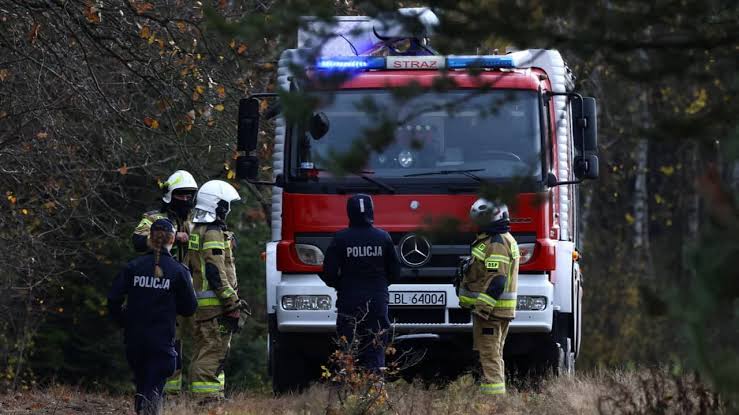
Polish prosecutors have identified three objects that entered the country’s airspace on Friday as Russian Kh-101 cruise missiles, a development that has heightened concerns over the security of NATO’s eastern frontier.
The missiles crossed into Polish airspace before crashing, according to preliminary findings from an examination of recovered debris.
Prosecutors in Lublin said the missiles appeared to have been manufactured during the fourth quarter of 2026 at facilities in Dubna, in Russia’s Moscow region.
The findings contradict earlier indications that at least one of the objects could have been a drone. Polish authorities had been investigating the objects since they were discovered near the border with Ukraine.
The incident has renewed concerns that Russia’s war against Ukraine could create further security risks for neighbouring countries, particularly those belonging to the North Atlantic Treaty Organization.
NATO Secretary-General Mark Rutte had previously warned that the alliance would defend every inch of Polish territory following the airspace violation.
The alliance’s North Atlantic Council is scheduled to meet in Brussels on Monday to discuss the incident and its implications for regional security.
The development comes amid repeated reports of drones entering or approaching the airspace of countries along NATO’s eastern flank since Russia launched its full-scale invasion of Ukraine in February 2022.
Poland has remained one of Ukraine’s strongest supporters and a key logistical route for Western military assistance. Its proximity to the conflict has made airspace security a major concern for the Polish government and its NATO partners.
Although the identification of the missiles establishes their apparent origin, the findings do not by themselves establish the precise circumstances or intent behind their entry into Polish airspace.
The upcoming NATO meeting is expected to focus on the security implications of the incident and the alliance’s response to further violations along its eastern border.
Catherine Okonkwo.
Follow us on: