
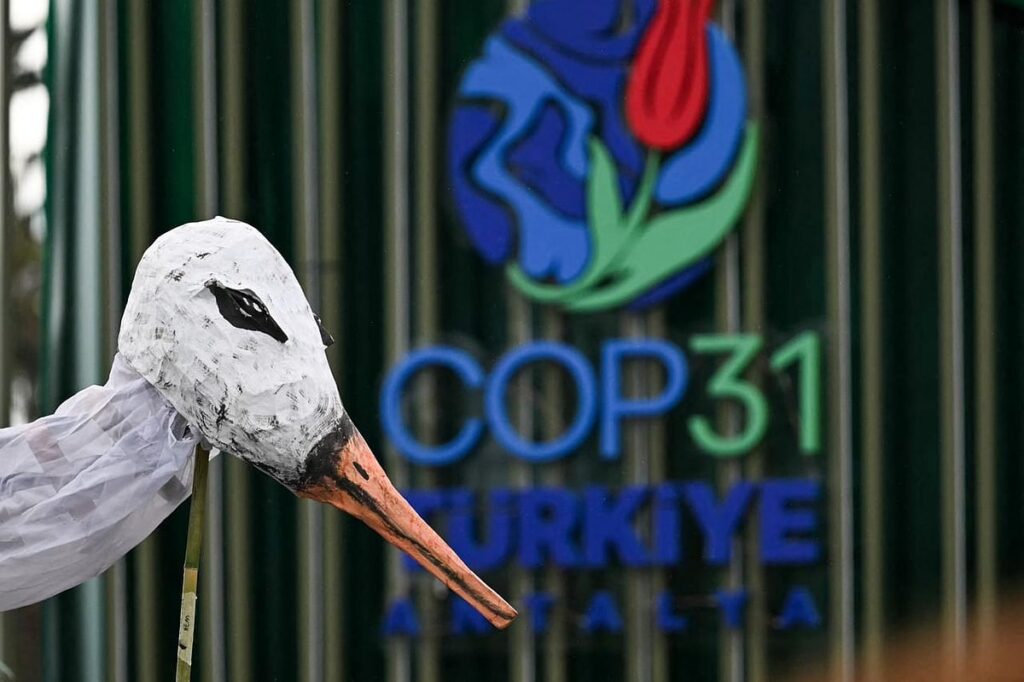
Before we delve into paths beyond the failure of COP31, let’s look at some of the grave numbers that ought to have concentrated the minds of the delegates who assembled for the annual meeting in Antalya.
Over the last 15 years, there has been a significant acceleration in the rate of warming globally, from about 0.18°C a decade during 1970-2010 to over 0.3°C per decade since. This is occurring against the backdrop of continued carbon dioxide and other greenhouse gas emissions, which trap heat equal to the energy of nine Hiroshima bombs per second—or about 777,600 such bombs a day—and rising. One effect of this acceleration is longer, more frequent and more intense heatwaves, which are estimated to have killed over five lakh people a year between 2012 and 2021, according the latest Lancet report on health and climate change.
You would think such numbers would render urgency to the negotiations around reducing emissions and providing the funding for poorer countries to adapt to and cope with climate impacts. No such thing happened in Türkiye.
In one of the few steps forward, 80 countries pledged to increase the share of electricity in their final energy consumption—currently at 23 percent, both globally and in India—to 35 percent by 2035. Its significance lies in the fact that electrification is one of two essential facets of any energy transition: electrify processes and sectors that rely on fossil fuels, such as transportation or cooking, and in parallel generate more electricity from solar, wind and other renewables.
But COP31 disappointed on the biggest of issues, even by the underwhelming standards of the COP process over the last three decades. Many countries across the Global South and North rejected the final statement because ‘fossil fuels’ was not even mentioned. There was little progress also on a $120-billion climate adaptation target and pitiably small new commitments to a fund for poor countries to tackle the accelerating loss and damage they suffer.
In the face of such accelerating warming and the global institutional failure to address the problem in its scale, complexity and urgency, how can we break the impasse? I point to four ways forward: non-COP multilateral efforts, replicable pathways to emissions reductions, less iniquitous climate finance and political pressure from below for energy and climate justice.
There cannot be international climate politics without a COP process; it is the only truly global climate forum we have. Keeping that caveat in mind, one potential way forward lies in non-COP multilateral forums to address core issues of climate politics.
One such was held in April in Colombia, the first international conference on Transitioning Away from Fossil Fuels, where 60 countries pledged to phase out fossil fuels. Subsequently, three developed countries—Germany, France and the Netherlands—have published roadmaps to phasing out fossil fuels. However, for such institutional forms to successfully reflect and address the urgency and widespread nature of the problem, they need to function at various levels simultaneously: multi-city, trans-national, regional (in our context, Himalayan, South Asian) and multilateral.