
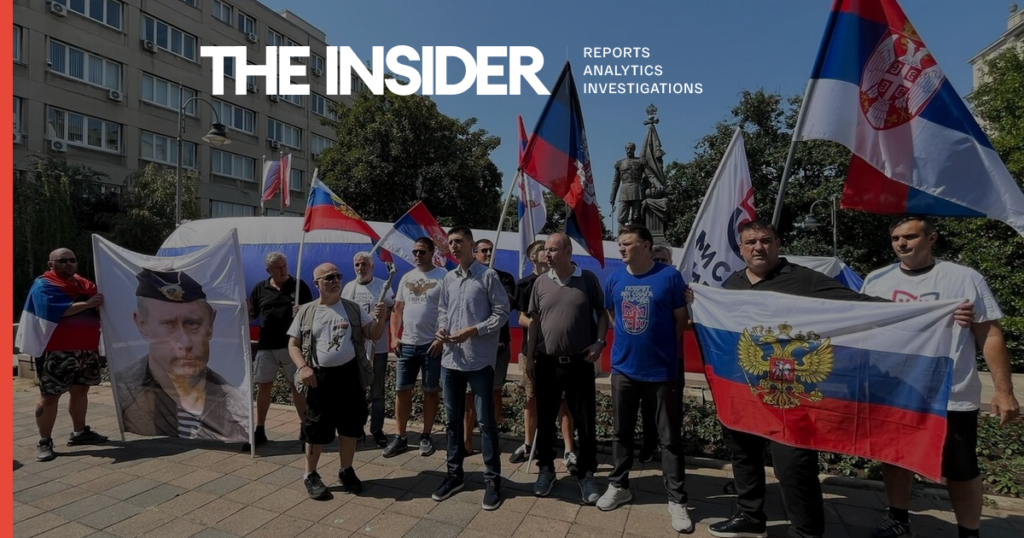
Serbia, Montenegro, and Bosnia and Herzegovina are all subject to strong foreign influence, but since 2022, Russian influence efforts has become much more assertive. This is visible, in particular, in the work of media outlets and diplomats in the region.
“Russian ambassadors in these countries lead an intensely political life, interfering in domestic affairs. A few years ago, for example, the Russian Embassy in Montenegro said that closer ties with the European Union would be an act of open hostility toward Russia,” Vujatović says.
Given the polarization between West and East, many Serbs and Montenegrins — because of NATO countries’ hostility and the conflicts of the 1990s in the former Yugoslavia — believe that only Russia can protect them. “That is why pro-Russian sentiment and support for Russia’s war against Ukraine are a logical consequence. The approach taken by the European Union and the United States toward the Balkans in the postwar years also played a major role,” Vujatović believes.
The most high-profile recent scandal involving Russian influence in the Balkans came in October, when Rybar pro-war Telegram channel creator Mikhail Zvinchuk was arrested and deportated. Montenegro was the last stop on the Russian propagandist’s Balkan tour after his visits to Serbia and Bosnia.
The speed of Zvinchuk’s deportation and the circumstances of his stay in Montenegro once again showed that the country can demonstrate loyalty to the European Union while remaining unwilling — or afraid — to confront the Russian influence networks operating in the region.
The Rybar network consists of about 200 channels operating in 28 languages. Zvinchuk is under sanctions imposed by Brussels, London, and Washington. In 2024, the U.S. State Department announced a reward of up to $10 million for information about the team behind the project, which is suspected of interfering in the U.S. presidential election.
With a record like that, Zvinchuk would seem to have taken a serious risk by traveling to a NATO country. In the end, however, his expulsion brought him additional publicity and allowed him to exploit divisions in Montenegro’s political landscape.
Zvinchuk’s detention could have dealt a blow to Russia’s propaganda infrastructure in the Balkans. Instead, the episode confirmed that public opinion is being manipulated almost unhindered through pro-Kremlin media, social networks, and local politicians. Still, these tools are clearly not enough to allow Moscow to secure decisive influence, as Serbia’s election showed.