Surprised? Not really. The Army’s habit of ‘ignoring’ issues till they become problems is legendary.
Moggytwo on
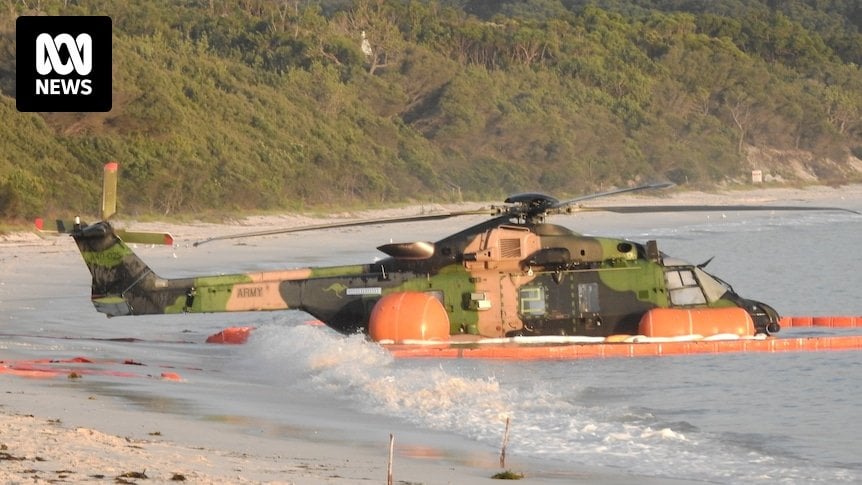
So, to summarise: army failed to do a manufacturer recommended mod to the engines on this helicopter, and this resulted in the left engine failing. The aircraft automatically recovered to a low altitude hover on the remaining working engine, at which point the aircrew could have flown home, had the failed engine swapped out, and be flying again the next day.
Unfortunately it was at this point that the pilot flying decided to shut down the working engine, causing the aircraft to fall out of the sky and hit the water with a force of 8g, injuring some of the crew, and damaging the aircraft beyond repair.
Note that if this had been one of the Black Hawks that replaced it, there would have likely been greater injuries to the crew because they are less capable at absorbing impact damage, and some or all of the crew would have died because Black Hawks have no floatation system, so the helicopter would have flipped upside down and sunk in complete darkness. The MRH90 however had its floatation system automatically deploy, saving the lives of all onboard.
Army decided to use that incident, where the aircraft performed superbly throughout, to imply that the aircraft was at fault as part of the justification to replace the aircraft with an older and less capable aircraft.
MalcolmTurnbullshit on
>”Defence decided to keep flying the helicopters without the modified parts, without the modified parts, and eventually get around to it, while failing to consider and document the risk these things would lose engine during low-level flight because of this,” he said.
Man knows nothing about the civilian aviation industry let alone the military. Nobody grounds aircraft just because a minor modification is pending. Waiting years for parts to become available has been very common with the high demand for aviation turbines even without a global pandemic disruption everything for years.

3 Comments
Surprised? Not really. The Army’s habit of ‘ignoring’ issues till they become problems is legendary.
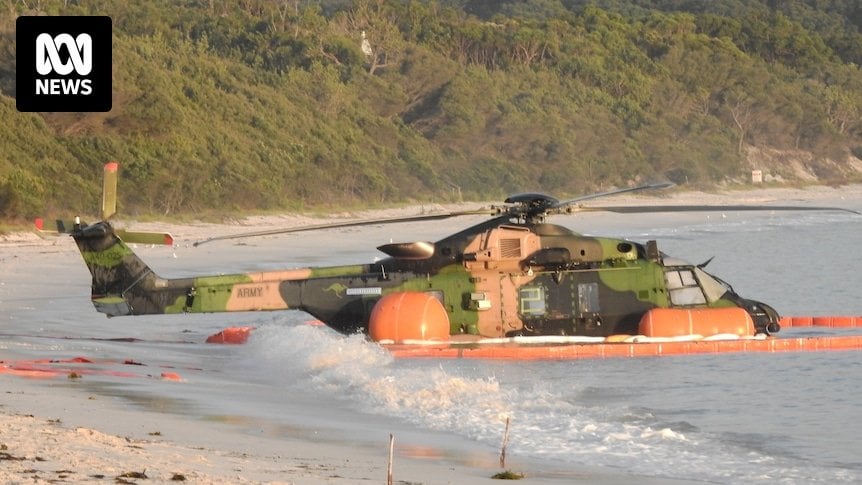
So, to summarise: army failed to do a manufacturer recommended mod to the engines on this helicopter, and this resulted in the left engine failing. The aircraft automatically recovered to a low altitude hover on the remaining working engine, at which point the aircrew could have flown home, had the failed engine swapped out, and be flying again the next day.
Unfortunately it was at this point that the pilot flying decided to shut down the working engine, causing the aircraft to fall out of the sky and hit the water with a force of 8g, injuring some of the crew, and damaging the aircraft beyond repair.
Note that if this had been one of the Black Hawks that replaced it, there would have likely been greater injuries to the crew because they are less capable at absorbing impact damage, and some or all of the crew would have died because Black Hawks have no floatation system, so the helicopter would have flipped upside down and sunk in complete darkness. The MRH90 however had its floatation system automatically deploy, saving the lives of all onboard.
Army decided to use that incident, where the aircraft performed superbly throughout, to imply that the aircraft was at fault as part of the justification to replace the aircraft with an older and less capable aircraft.
>”Defence decided to keep flying the helicopters without the modified parts, without the modified parts, and eventually get around to it, while failing to consider and document the risk these things would lose engine during low-level flight because of this,” he said.
Man knows nothing about the civilian aviation industry let alone the military. Nobody grounds aircraft just because a minor modification is pending. Waiting years for parts to become available has been very common with the high demand for aviation turbines even without a global pandemic disruption everything for years.