
Wednesday, December 11, 2024
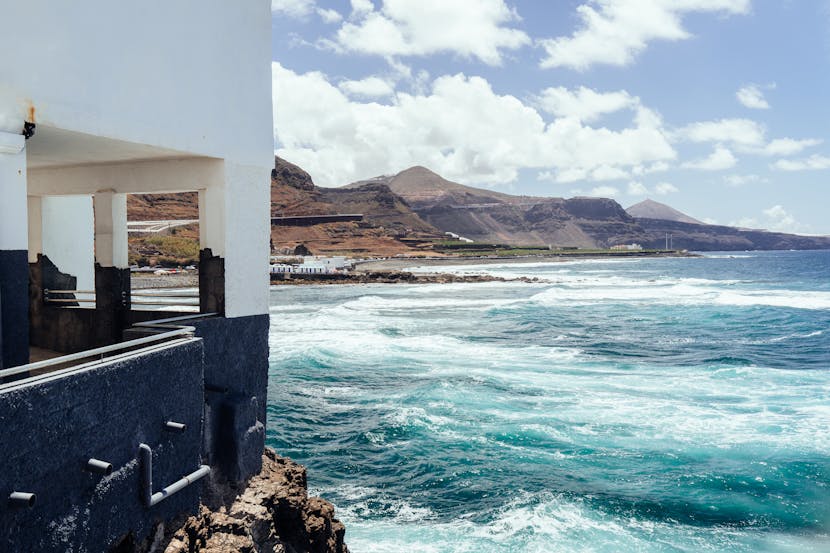
Anti-tourism protests in Spain have taken a dramatic turn as vandals defaced over 230 sunbeds on the beaches of Las Vistas and El Camison in Tenerife. On 5 December 2024, the Arona City Council described the incident as a “coordinated attack” carried out during the early hours of the morning.
Graffiti scrawled across sunbeds bore messages like “Canarias se defiende” (The Canary Islands defend themselves) and “Canarias no se vende” (The Canary Islands are not for sale). The attack, which also targeted a local shopping center, left an estimated €5,000 in damages.
Mayor Fátima Lemes strongly condemned the attack, describing it as an act of vandalism that harms both residents and tourists. “We are against all types of vandalism,” she declared, urging citizens to help identify those responsible.
The Growing Wave of Anti-Tourism Sentiment Across Spain
While Tenerife is currently in the spotlight, anti-tourism protests have been spreading across Spain for months. April 2024 saw tens of thousands of protestors take to the streets in the Canary Islands, demanding an end to excessive tourism development. Protesters voiced concerns over environmental degradation, rising living costs, and the erosion of local communities.
This unrest isn’t isolated to the Canary Islands. Similar demonstrations have occurred in tourist-heavy areas like:
- Barcelona — Authorities have promised to ban short-term tourist apartments by 2028.
- Palma de Mallorca — The city now limits the number of cruise ships that can dock at its port.
- Alicante and Spain’s southern coast — Demonstrations have increased, driven by rising housing costs blamed on tourist demand.
Some protests have turned hostile. In Seville, anti-tourism protestors smeared faeces on apartment lock boxes as part of a campaign against Airbnb licenses. Meanwhile, in Playa de las Americas, Tenerife, activists stormed the beach, drumming and chanting around sunbathers to disrupt their holidays.
Why Are Spaniards Protesting Against Tourism?
Protesters argue that tourism is becoming a threat to Spain’s local economy, housing market, and environment. Although tourism accounts for more than 40% of jobs in the Canary Islands and brings in over €20 billion annually, residents claim the system is broken.
1. Rising Housing Costs
Tourism-driven demand for short-term rentals has pushed housing costs beyond the reach of locals. In places like the Canary Islands, foreign investors purchase property to turn it into vacation rentals, causing a surge in home prices.
According to Spain’s National Statistics Institute (INE), 34% of Canary Islanders were at risk of poverty or social exclusion in 2023 — the highest rate in Spain, second only to Andalucia. Activists claim that unchecked tourism forces locals into hardship, as wages remain stagnant while housing costs skyrocket.
2. Environmental Impact
Protests have also focused on environmental issues. Construction of large resorts and hotels disrupts fragile ecosystems, particularly on the Canary Islands, which are famous for their biodiversity. In 2024, activists in Tenerife launched a hunger strike to oppose the construction of a new beach resort.
Protestors argue that overtourism pollutes local beaches, depletes natural resources, and strains public infrastructure. They believe it’s essential to limit new tourist developments to protect the islands’ natural environment.
3. Local Communities at Risk
Unlike traditional tourism, short-term vacation rentals require minimal interaction with local communities. As properties are turned into holiday rentals, locals are often displaced, leaving neighborhoods empty for much of the year. Residents of places like Barcelona and Palma de Mallorca complain that their cities are losing their cultural identity.
What Do Protesters Want?
Contrary to popular belief, protesters are not calling for an end to tourism. They recognize its economic benefits, especially in the Canary Islands, where it accounts for a large portion of GDP. Instead, protesters want more control and regulation.
Protesters demand:
- Limits on new tourist developments to protect natural areas and reduce environmental strain.
- Caps on short-term vacation rentals, especially in crowded areas like Barcelona and Seville.
- Stricter rules on foreign investors purchasing residential properties to convert them into tourist rentals.
Activist Daniel Cabrera emphasized the goal: “We want tourism. What we do not want is over-exploitation and garbage tourism that does not benefit the local economy.”
How is Spain Responding to the Protests?
The Spanish government and local authorities have implemented various measures to address anti-tourism sentiment, but more drastic measures are expected in 2025.
Barcelona has announced that short-term tourist apartments will be banned by 2028, reducing the influence of platforms like Airbnb. Meanwhile, Palma de Mallorca has placed a cap on cruise ship arrivals to reduce tourist congestion at its ports.
In the Canary Islands, authorities have introduced daily visitor limits for certain national parks and nature reserves to protect delicate ecosystems from mass tourism.
Despite these efforts, activists argue that enforcement is inconsistent and often comes too late to protect local interests.
Vandalism and Violence: Are Protests Escalating?
While many protests remain peaceful, some acts of vandalism have raised concerns. The incident at Las Vistas and El Camison beaches in Tenerife is the latest in a series of disruptive actions. Other acts of vandalism include:
- July 2024 (Seville) — Lock boxes on short-term rental apartments were smeared with faeces.
- October 2024 (Playa de las Americas, Tenerife) — Protesters stormed the beach, banging drums and crowding tourists.
These acts have prompted local officials to call for unity and cooperation. Mayor Fátima Lemes condemned the Tenerife beach vandalism, describing it as an attack on the community. She also called for assistance in identifying the perpetrators.
The Future of Tourism in Spain
As of now, anti-tourism sentiment in Spain is unlikely to fade. With protests spreading across the country, authorities will face mounting pressure to implement stricter measures to control tourist activity.
For tourists planning to visit Spain, it’s essential to stay informed about local regulations, as some regions are limiting cruise ships, banning short-term rentals, and reducing access to natural areas.
Meanwhile, authorities must navigate a delicate balance. While tourism drives Spain’s economy, its residents are calling for change. Unless stricter controls are put in place, unrest is likely to continue into 2025 and beyond.
With protests escalating and acts of vandalism growing more frequent, Spain’s tourism industry faces a defining moment. Can Spain balance tourism growth with community well-being? The answer will shape its future as a global travel destination.
In case you missed it:
Read Travel Industry News in 104 different regional platforms
Get our daily dose of news, by subscribing to our newsletters. Subscribe here.
Watch Travel And Tour World Interviews here.
Read more Travel News, Daily Travel Alert, and Travel Industry News on Travel And Tour World only.
