
AUSTIN, Texas — Austin Energy is preparing for upcoming precipitation. They say they’ve learned a lot from past storms, and hope what happened in years past doesn’t happen in 2025.
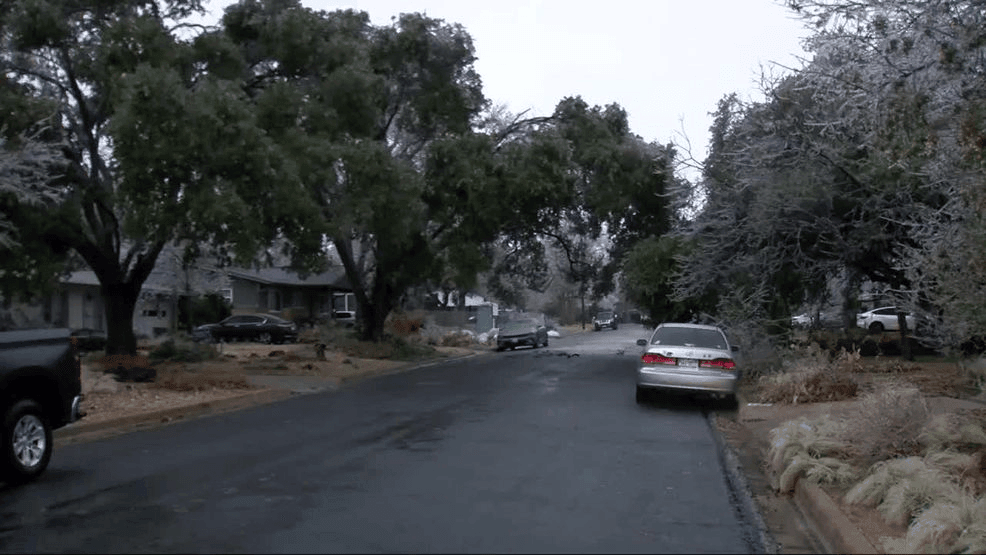
In 2021 and 2023, many Austinites lost power for days in the city, and statewide ice storms. Ice fell from tree branches onto power lines which led to power outages across Austin. Precipitation is coming to Austin at the end of the week.
“Anytime you get this cold weather moving in, it’s easy to think back to 2021, and 2023 and get a little skittish,” PIO of Austin Energy, Matt Mitchell, said.
He said although those storms caused a lot of destruction to the city, Austin Energy learned a lot from it. Mitchell said Austin Energy is able to use what they learned to improve moving forward.
ALSO| City of Austin activates Cold Weather Shelters Sunday through Thursday
“Some of our software needed upgrading, our outage map needed attention,” he said. “We had an entire after-action report that details numerous other things that we can do to make sure that the next time something like that happens, we’re better prepared.”
Austin Energy is also trimming trees around powerlines in the city. Mitchell said it’s hard to cover every tree in their more than 400-mile service territory. As a solution, Austin Energy picked the trees that have the highest risk of damage.
“We know the ones that are more susceptible to the kind of damage that we saw in 2023, so we prioritized those to make sure that we’ve cleared as much of that as possible,” Mitchell said.
After the citywide power outages in 2023, Austin City Council fired the City Manager, Spencer Cronk. Shortly after, Austin Energy’s General Manager, Jackie Sargent retired. Mitchell said under Bob Kahn, the new GM of Austin Energy, the city focused more on having a united voice to create solutions to power outages.
“It’s really important that what our concerns are, what our actions are that we’re taking to remedy these outages is being communicated to the folks over at city hall, Homeland Security and Emergency Management,” Mitchell said, “We have a lot of confidence right now in the way the utility responds in these kinds of events.”