
The idea of deploying peacekeepers in Ukraine is gaining traction as European leaders have reportedly discussed the concept with Ukrainian President Volodymyr Zelensky.
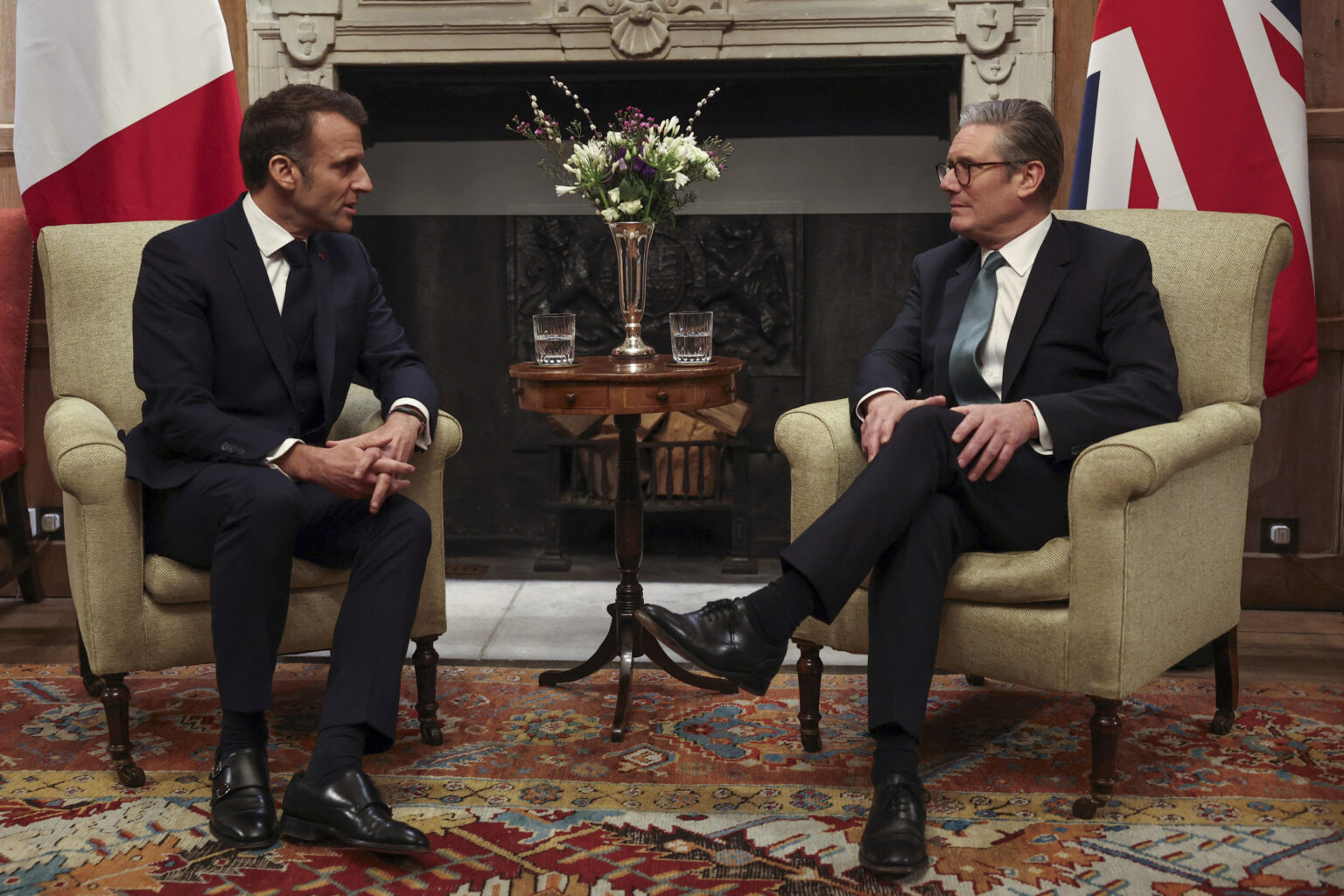
In talks held in the United Kingdom last week, French President Emmanuel Macron and U.K. Prime Minister Keir Starmer discussed the possibility, according to The Telegraph.
Newsweek’s map below illustrates where NATO peacekeepers could be deployed:

Newsweek reached out to the U.K.’s Ministry of Defense and the French Ministry of Defense for comment via email outside of business hours.
Why It Matters
Peacekeeper talks give hope of an end to the war between Ukraine and Russia, which has raged on for almost three years. In December, Zelensky said 43,000 Ukrainian soldiers had died in action and claimed 198,000 Russians had been killed.
The discussion follows United States President-elect Donald Trump‘s pledge to put an end to the war that he said “should never have started and could go on forever.” It appears that other global powers are feeling the same sense of urgency.
With Trump’s upcoming inauguration, it’s hoped peace negotiations between Russia and Ukraine will commence soon.
What To Know
A spokesperson for Macron’s political party, the Renaissance Party, spoke out about the importance of NATO and Europe increasing their involvement inside Ukraine’s borders and “turning the tables” on Russia.
Benjamin Haddad, France’s minister delegate for Europe, said that momentum in favor of this idea is “clearly” building and noted that “it was interesting to see that in the first couple days, everyone said, ‘It’s an isolated position by France.'”
Those who have voiced their support for deploying European peacekeepers to Ukraine now include Czech President Petr Pavel, Polish Foreign Minister Radosław Sikorski and Lithuanian Foreign Minister Gabrielius Landsbergis.
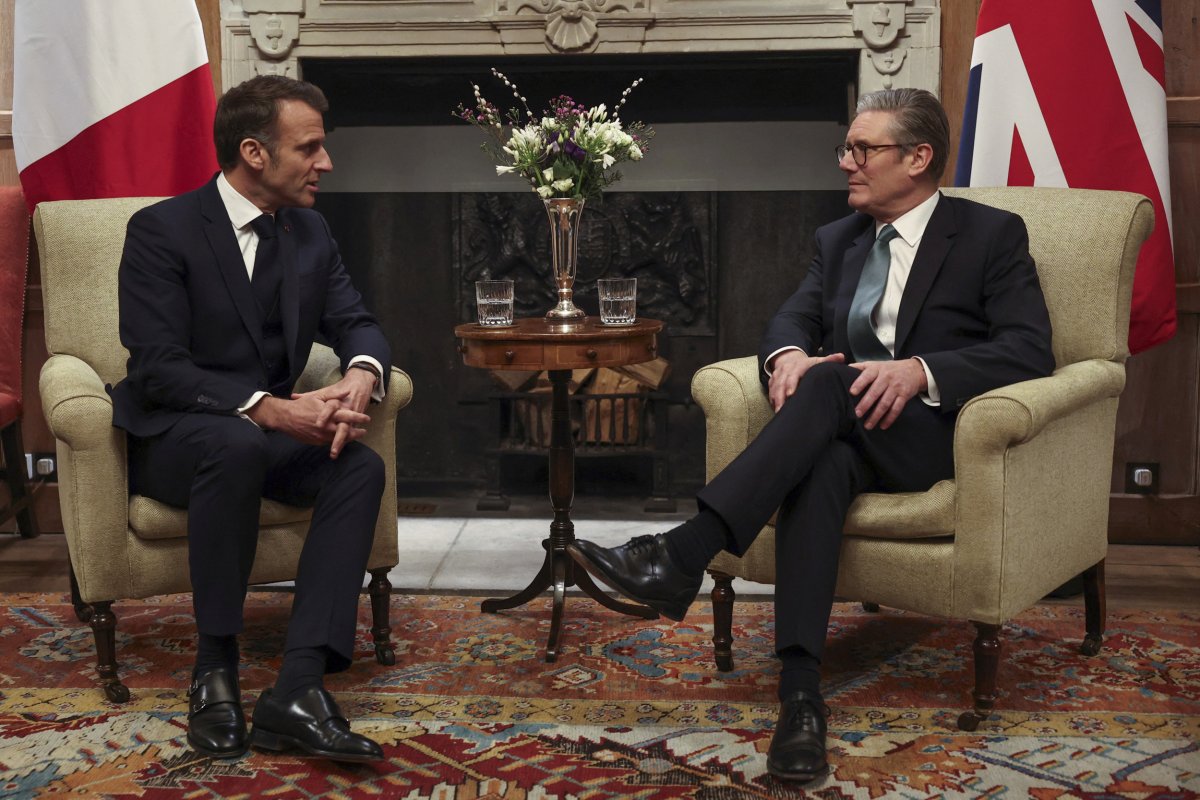
French President Emmanuel Macron (L) meets with U.K. Prime Minister Keir Starmer in England on January 9. The two leaders have discussed sending peacekeeping troops to Ukraine.
French President Emmanuel Macron (L) meets with U.K. Prime Minister Keir Starmer in England on January 9. The two leaders have discussed sending peacekeeping troops to Ukraine.
Toby Melville/Associated Press
Zelensky spoke with Macron on the phone on January 14 about taking “practical steps” to deploy French troops as peacekeepers in Ukraine to monitor a ceasefire and to potentially expand and involve other nations in this effort. The French president has been pushing for this idea since February 2024 and spoke with Zelensky about it in December. Macron will also approach Polish Prime Minister Donald Tusk about sending peacekeeping troops to Ukraine.
Starmer has also begun to favor the idea, and discussions between the U.K. and France have been happening bilaterally. The prime minister visited Kyiv on January 16 and spoke with Zelensky about sending peacekeepers to Ukraine. The two leaders also plan to sign a historic 100-year partnership to strengthen relations between the two countries concerning defense, healthcare, the economy, and more.
Macron and Starmer spoke about whether to send a peacekeeping force of troops from both countries to Ukraine in a deal to end the war, but the U.K. prime minister does not fully agree with the French president’s proposal. One of the scenarios proposed was the creation of an 800-mile border with a demilitarized “buffer” zone monitored by Western troops.
Discussions about the proposal also occurred between Macron, Zelensky and President-elect Donald Trump in Paris on December 7. Trump has voiced his support of European peacekeepers being deployed to Ukraine after a ceasefire deal is achieved, and he has taken it a step further, noting that he wants these troops to monitor a demilitarized zone created as part of his peace plan for Kyiv.
What People Are Saying
French Minister Delegate for Europe Benjamin Haddad: “Right now, a lot of Ukrainian troops are stationed at the border with Belarus to prevent a potential invasion from the north. Western forces could be deployed along the frontier as a ‘tripwire’—as you have troops in in the Baltic states or in Poland—to be able to liberate some of these Ukrainian troops to go to the front. Of course, it needs to be done in a coordinated way. No country can do it on its own.”
Jimmy Rushton, a Kyiv-based foreign policy and security analyst, on X, formerly Twitter: “Find it slightly strange there’s no discussion about the possibility of deploying Turkish peacekeepers to Ukraine in the event of a ceasefire. Trusted by Kyiv and maintaining a relatively cordial relationship with Moscow, Turkey would seem like an obvious choice.”
Kira Rudnik, a member of the Ukrainian parliament, on X: “UK and France in talks about sending peacekeeping troops to Ukraine. We’d welcome any strategy that could ensure and maintain long-lasting peace.”
Richard Dannatt, the former head of the British Army, to Times Radio: “It would require a large body of troops to monitor that part of the frontier. Have we got those troops? This is an issue. I think that the British government’s got to weigh up in the context of our strategic defense review. The army is pretty busy in doing all the things it’s currently doing. Could it afford, say, 5 to 10,000 troops rotating on six-month tours to maintain the frontier in Ukraine? I’m not sure that it could at the current strength. So this is a factor.”
What Happens Next
Depending on how peace negotiations facilitated by the U.S. between Moscow and Kyiv go, European allies may deploy peacekeeping troops to the frontlines in Ukraine. There may also be other countries, besides France and the U.K., that send troops to Ukraine, ensuring Kyiv’s safety.