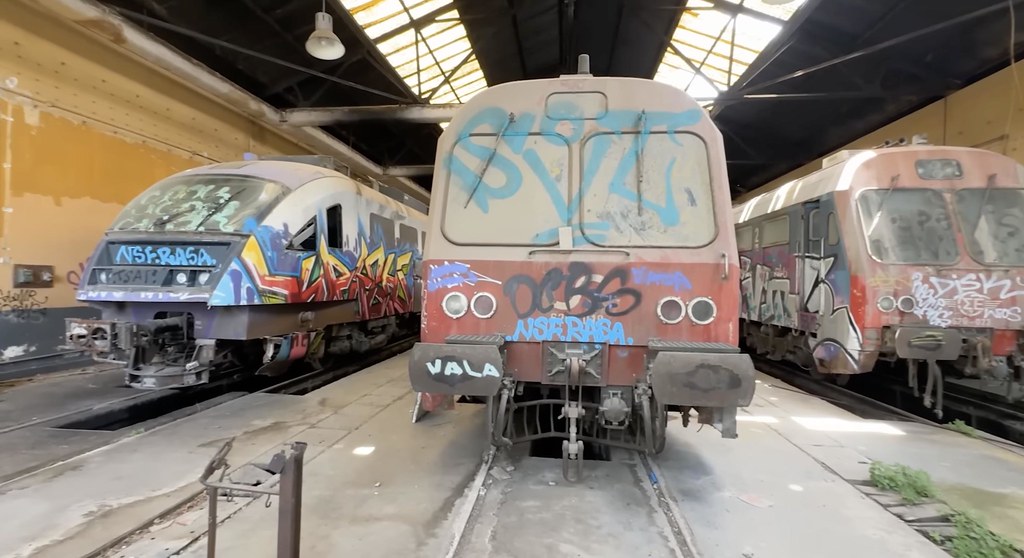
A sample of the effects of the Greek debt crisis of 2009
The history of railways in Greece dates back to 1869, when the first line was built between Athens and Piraeus.
The radioactive trains at Yaniv station in the Chernobyl exclusion zone
The impressive graveyard of the TGV, France’s famous high-speed trains
In 1920, a public railway network, the Hellenic State Railways (SEK), was established and operated alongside private companies until 1970, when the entire network was taken over by the state-owned Hellenic Railways Organisation (OSE). There have been two types of gauge in Greece, metre gauge (1,000 mm) and standard gauge (1,435 mm). Greece’s debt crisis from 2009 to 2018 severely affected its railways, with cuts to lines and services in 2011, when the metre gauge network was abolished.
In 2016, the passenger and freight train operator TrainOSE was privatised, leaving OSE with responsibility for maintaining the railway infrastructure to this day. The effects of the Greek crisis can be seen today in the country’s train graveyards and abandoned stations, some of which are featured in a video released today by Exploring the Unbeaten Path:
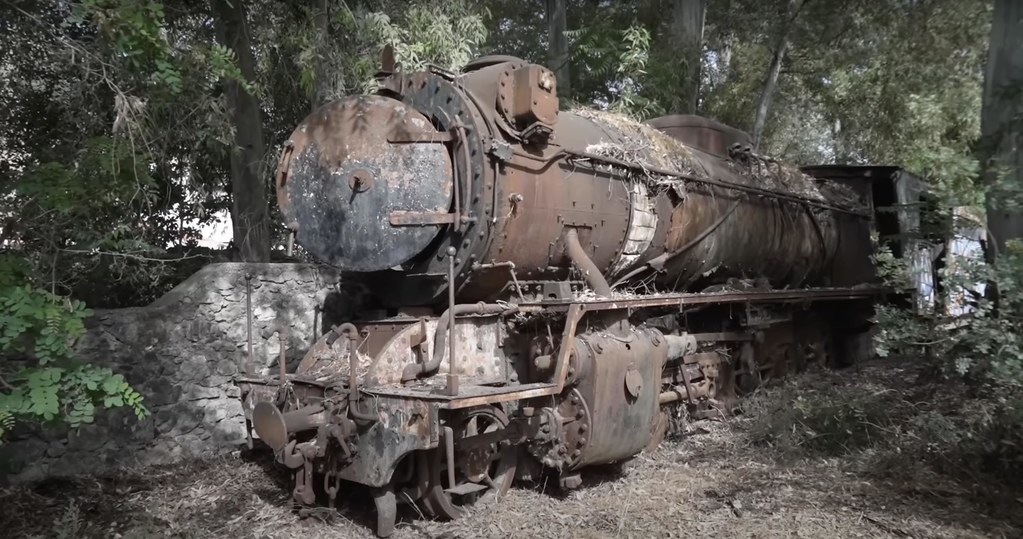
You can see some screenshots from this interesting video here. The tour begins with a visit to a station that opened in 1886 and whose passenger services were cancelled in 2010, at the time of the debt crisis. In this part, steam locomotives in a sorry state appear. It gives the impression that this was a railway museum that was abandoned.
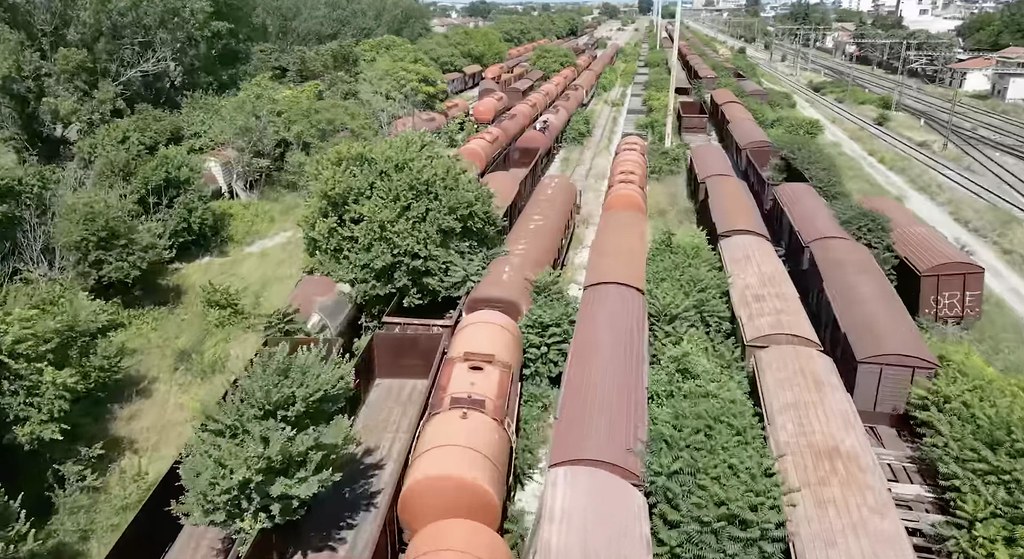
In the video, the urban explorers travel to a huge train graveyard in Thessaloniki, Greece’s second most populous city. The site is home to many freight cars, tankers and platforms.
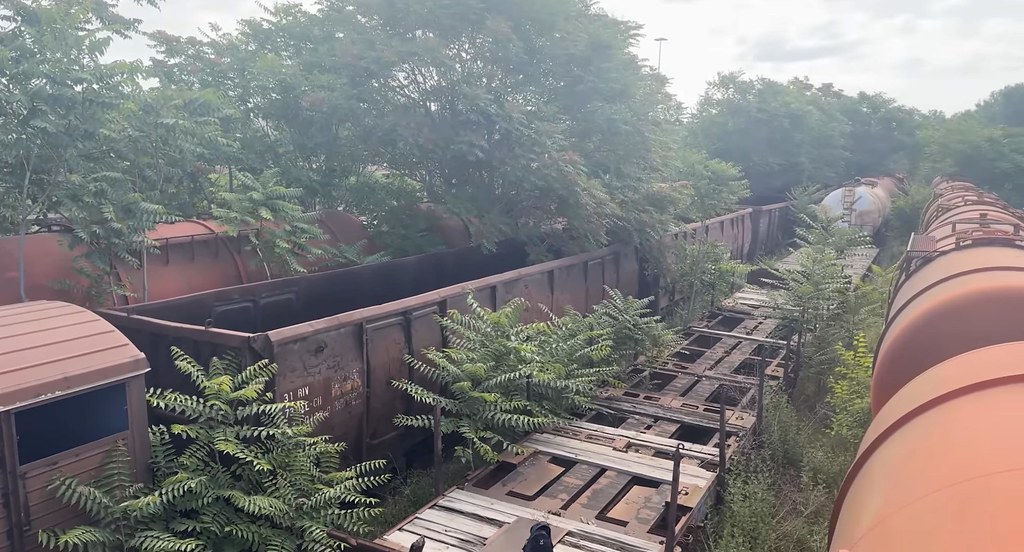
The amount of rolling stock in this train graveyard is staggering. Some cars are derailed and even overturned.
Finally, the explorers visit an abandoned station at a location they do not reveal. There are some relatively modern passenger trains here, probably abandoned after part of the lines closed in 2011. It is a shame to see this material in this condition.