
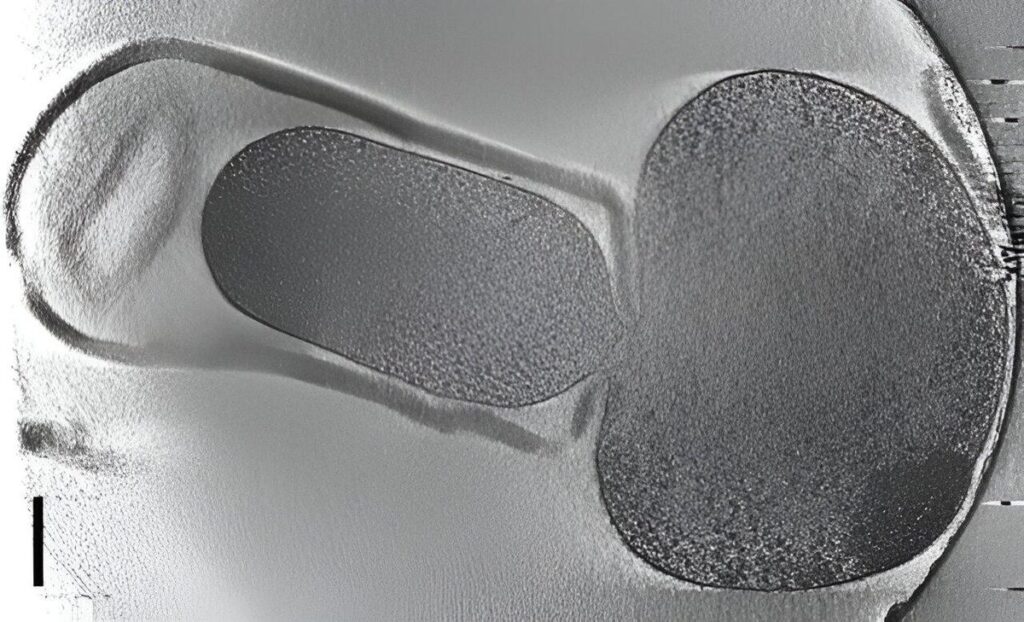
The connection between protein aggregation and bacterial dormancy development and recovery reveals significant insights for tackling persistent bacterial infections.
Understanding how bacterial cells enter dormant states and how this affects their ability to resume normal function is of utmost importance, particularly concerning recalcitrant infections caused by dormant bacteria like persisters and viable but nonculturable (VBNC) cells. New findings published by researchers illuminate the mechanisms behind how protein aggregation leads to bacterial dormancy, particularly focusing on Escherichia coli, a common bacterium known for its resilience against treatments.
The researchers established a key correlation between protein aggregation and the onset of dormancy, indicating how aggregates can sequester proteins necessary for energy production. This sequestration likely results in ATP depletion—a significant indicator of bacterial activity—and subsequent dormancy. The dynamic nature of these aggregates, progressing from liquid-like states to more solid forms, has been identified as impeding the ability of bacterial cells to dissolve these aggregates, thereby restricting their growth recovery capability.
“Aggregates progressively sequester proteins involved in energy production, thereby likely causing ATP depletion and dormancy,” the authors note. The study utilized various experimental techniques, including mass spectrometry and genetic modifications, to investigate how these processes play out.
One of the pivotal findings showed the structural characteristics of protein aggregates influence whether bacteria can shift out of dormancy. The research suggests the physical state of these aggregates—whether they are still pliable or have solidified—determines the bacterial cells’ capacity to reactivate and grow. “This liquid-to-solid phase transition impedes aggregate dissolution, thereby preventing growth resumption,” the researchers explain.
Scientists have long recognized the persister state, where bacteria can survive antibiotic exposure without undergoing genetic mutations, as contributing to the challenges of treating infections. Previously, it was hypothesized these pockets of dormant cells might simply rely on lowered metabolic rates. The current research provides evidence reinforcing the role of protein aggregation not just as passive by-products but as active contributors to the dormancy process.
“Our results strongly suggest… aggregate structure, rather than cellular activity, marks the transition from the persister to the VBNC state,” the study highlights, emphasizing the complex interplay of structural integrity within the aggregates and the associated metabolic pathways.
To dig even more deeply, the authors examined how manipulating chaperone proteins, particularly DnaK, impacts this entire process. DnaK plays significant roles in protein folding and disaggregation. When its levels were altered, the researchers could either delay or accelerate the rate at which dormancy developed through its influence on protein aggregation. “DnaK is known to function in disaggregation and subsequent refolding of disaggregated proteins,” the authors elaborate, indicating potential avenues for therapeutic intervention.
The study reveals insights not only about the biology of E. coli but also brings broader applications to medical microbiology as it suggests strategies to combat persistent bacterial infections may need to focus on the mechanisms of dormancy and recovery from this state.
By clarifying these mechanisms, scientists are hopeful for advancements toward treating bacterial infections more effectively, particularly those often labeled as persistent or chronic. This research not only opens new doors for scientific inquiry but also highlights the urgent need for innovative approaches to tackle the growing issue of antibiotic resistance and bacterial survival strategies.
Overall, these findings reveal the sophisticated balance bacteria maintain between dormancy and activity and the roles protein aggregates play within this process. They point to the need for novel anti-infective strategies targeting the dormancy mechanisms, offering hope for future treatments against stubborn bacterial infections.