
Last Updated:January 31, 2025, 16:25 IST
The decision will offer reparations to the Maori communities living in the Taranaki region, acknowledging the injustices they suffered during colonisation.
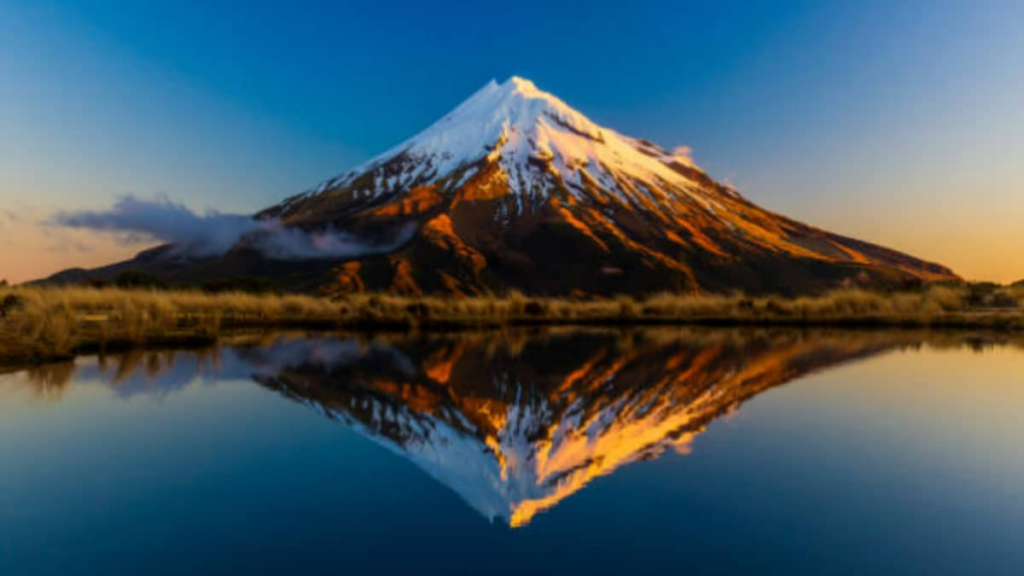
Taranaki Maunga is not the first natural feature in New Zealand to gain individual status. (Photo Credits: iStock)
Mount Taranaki, now officially known as Taranaki Maunga, has been granted the same legal rights as a human by the New Zealand government. This historic decision aligns with a global movement recognizing the cultural and spiritual significance of natural landmarks. Under this new status, Taranaki Maunga is considered a living entity, a concept deeply embedded in Māori beliefs. In Māori culture, all living things—humans, animals, plants and even mountains—are interconnected within a larger ecosystem. This recognition reflects a broader effort to honour indigenous traditions while promoting environmental conservation.
Taranaki Maunga is not the first natural feature to acquire individual status in New Zealand. Whanganui River and Te Urewera National Park are also in the elite league. Thanks to this achievement, their reputation has elevated from being a mere geological feature to a cultural entity deserving of respect and protection.
Maori people consider Taranaki Maunga an ancestral entity due to its spiritual significance, as reported by the BBC. Gaining legal personhood means the mountain will be able to protect its inherent value, with representatives of the Maori tribe, iwi and the New Zealand government joining hands to ensure its well-being.
The agreement offers reparations to the Maori communities living in the Taranaki region, acknowledging the injustices they suffered during colonisation. It remains one of the most painful chapters in the history of the tribe as the extensive confiscation of their ancestral lands affected their way of life and heritage.
With the latest decision, the government aims to restore the dignity of the Maori people, the BBC report added. “We must acknowledge the hurt that has been caused by past wrongs, so we can look to the future to support iwi to realise their own aspirations and opportunities,” Minister Paul Goldsmith said.
Before granting the individual status, the government also renamed the mountain from Mt Egerton to its origin title– “Te Papa-Kura-o-Taranaki” which means the highly regarded and treasured land of Taranaki. The new law has also given it a new legal name– Te Kahui Tupua, considering the mountain as a “living and indivisible whole”.
Taranaki is the second-highest mountain on New Zealand’s Noth Island. The snow-capped, dormant stratovolcano, measuring 8,261ft, is also recognised as a popular tourist spot where visitors can enjoy several snow activities and hiking.
- Location :
Delhi, India, India