
Okay, hands up if you’re a post-structuralist?
Not sure what one of them looks like?
Essentially post-structuralists argue that the way we see and know the world is socially created – and it is socially created through words, narratives and the meanings that sit behind them. We each make the world through the way we talk about it…and hence each of us, and each of the societies and the cultures we are part of, will see the world differently through the different ways we express ourselves and the knowledges we have.
Hmmm…you might well ask, don’t I make the world through the way I farm my property, repair that pothole, shop at the supermarket and put real things – food and drink – in my fridge?! Sure, but, this objective ‘reality’ that you operate in and interact with is mediated by the meanings that all these things – from paddocks to potholes to frozen chickens – hold for you…and for others.
Hence one woman’s paddock is another man’s potential forestry block…or a developer’s suburb…or a conservationists reserve; and the meanings we attach to things and places can morph over time – native forests in Aotearoa have gone from being a nuisance that needed clearing in colonial times, to an important resource for biodiversity, and most recently a sink for our CO2 emissions.
What is important for post-structuralists is the way in which some people (those with power) are able to shape these meanings and social ‘realities’ in ways that suit their values, ethics and interests over those of others.
So, how does this gel with the blunt, belligerent rhetorical style of Shane Jones?
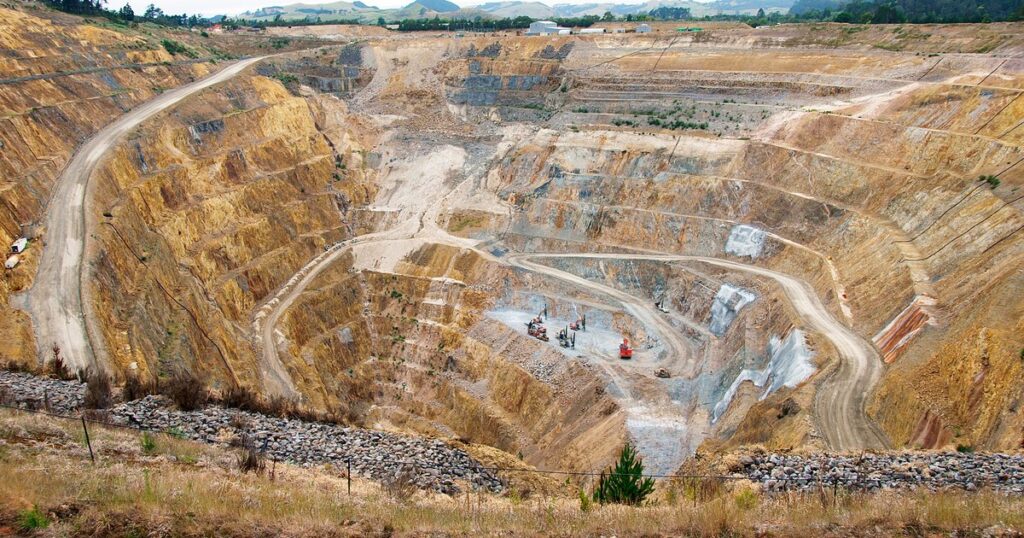
Words shape and make the world – quite literally – and as a consummate politician and orator, Jones know this. Since coming into Government he has been persisting in shaping a new narrative about the nation and the place of mining.
Guided by a neo-liberal logic (although Jones appears far more pragmatic than his coalition partner ideologues), beliefs, ethics and values, he is creating new meanings and narratives about mining and the future of the country. And through this have flowed policy change to facilitate access to the country’s mineral resources for – mostly – foreign investors. He is not talking about an objective ‘truth’, but rather how he wants the world to be. And he knows what he is doing – as he admitted in an interview he has a ‘track record of deploying rhetoric’: taking aim at ‘blind frogs’ and ‘woke collar spongers’ (?!) he tells New Zealanders that they need to ‘get over themselves’. He clearly sees a world where the ‘transformative’ potential of New Zealand’s natural resources is ‘unleashed’, and has ‘a vision for the future – a vision that would see our wealth base grow by utilising our mineral reserves to benefit all New Zealanders, increasing our domestic resilience by reducing reliance on imported minerals’.