
United Kingdom’s Prime Minister Sir Keir Starmer has announced a series of steps for the revival of civilian nuclear power in the country.
Announcements made by PM Starmer include cutting through the red tape to get more nuclear power plants up and running across England and Wales. These steps are a part of his ‘Plan for Change’ – to get Britain building.
Focusing on nuclear for clean energy, the effort also aims to create more skilled jobs in the country. The focus is also on getting energy at a cheaper cost for civilian use.
A press release by the UK government, from the Ministry of Climate Change and Energy, also mentions that this drive aims to cut the country’s reliance on Russia. Russia has been a big supplier of energy for the country, and PM Starmer believes it has been responsible for driving energy prices up.
“Our energy security has been hostage to Putin for too long, with British prices skyrocketing at his whims,” Starmer said.
He went on to add, “I’m putting an end to it – changing the rules to back the builders of this nation, and saying no to the blockers who have strangled our chances of cheaper energy, growth and jobs for far too long.”
UK’s nuclear energy push – steps announced
PM Starmer has announced a number of steps to ensure a revival of nuclear power in the country.
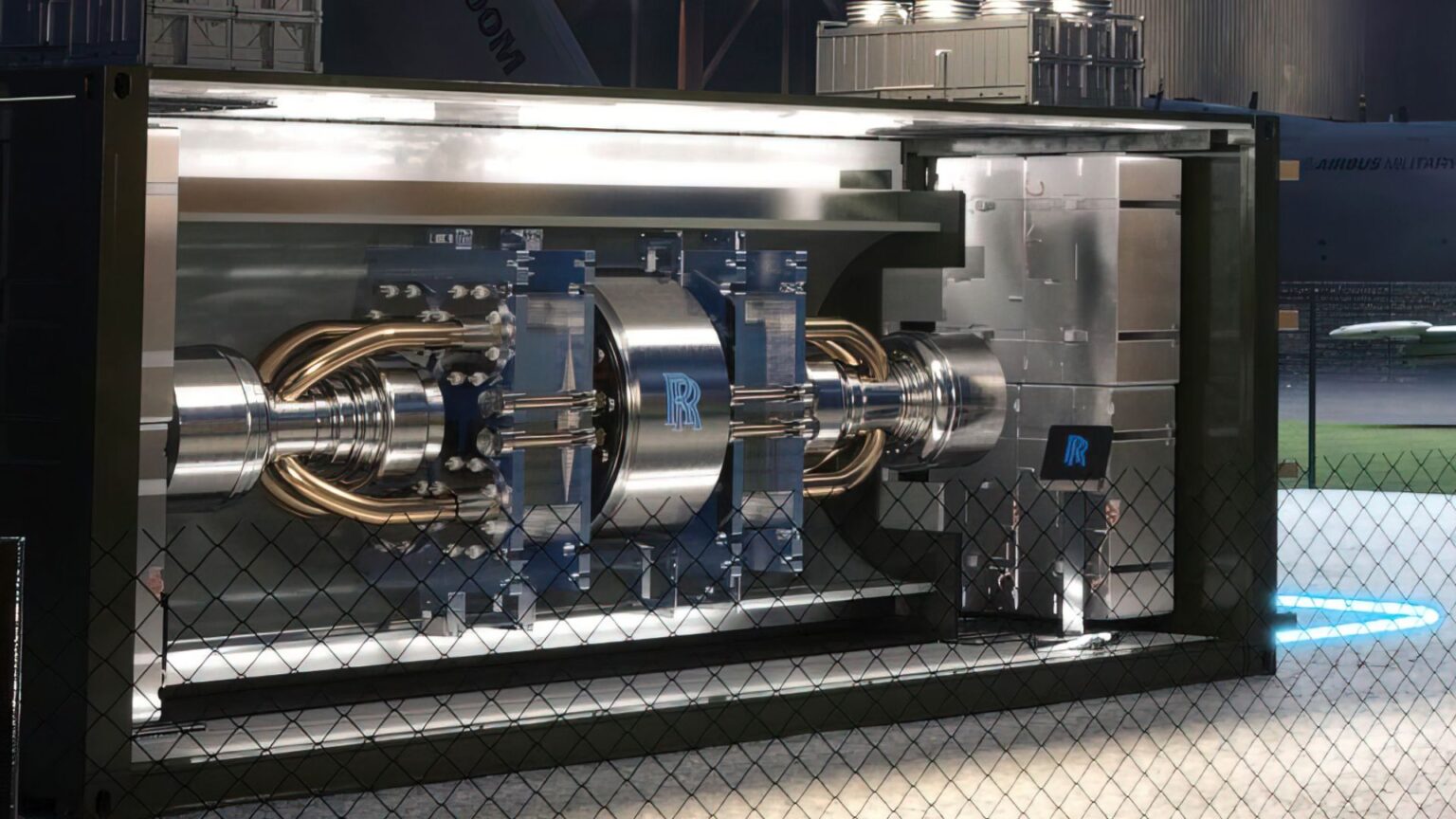
The first is a reform to planning rules that could clear a path for smaller, and easier to build nuclear reactors – known as small modular reactors –to be built for the first time ever in the UK.
The press release further mentions that the set list of eight sites for nuclear reactor deployment will be scrapped, this would open the possibility for ractors to be deployed anywhere across England and Wales.
Moreover, it will remove the expiry date on nuclear planning projects so that they do not get timed out and the industry can plan for the long term.
The government will also set up a Nuclear Regulatory Taskforce that will directly report to the PM. The taskforce will spearhead improvements to the regulations to help more companies build here.
“This country hasn’t built a nuclear power station in decades, we’ve been let down, and left behind. My government was elected to deliver change. I’ll take the radical decisions needed to wrestle Britain from its status quo slumber, to turbocharge our plan for change,” Starmer stated.
Reactors in Britain – a history
Calder Hall was the first full-scale nuclear power plant to begin operations in United Kingdom in 1956. It worked for over four and a half decades, before decommissioning in 2003.
The last nuclear plant to get commissioned into operations in the UK is Sizewell-B power station. Construction for it had begun in 1987, and it was brought into service in 1995.
Currently, just one nuclear power station – Hinkley Point C (HPC) – is in construction phase in the country. It is a two-unit, 3,200 MWe EPR nuclear power station being built in Somerset.
The recent announcements from the government aim to bring more nuclear power to the country. The press release mentions that China is “constructing 29 reactors, and the EU has 12 at planning stage.”
The current UK government believes that nuclear energy push will serve three major purposes – delivering jobs, cheaper bills in the long term, and more money in people’s back pockets.
However, it states that all safety protocols will be followed very strictly and security will be of paramount importance at every step of the process.