
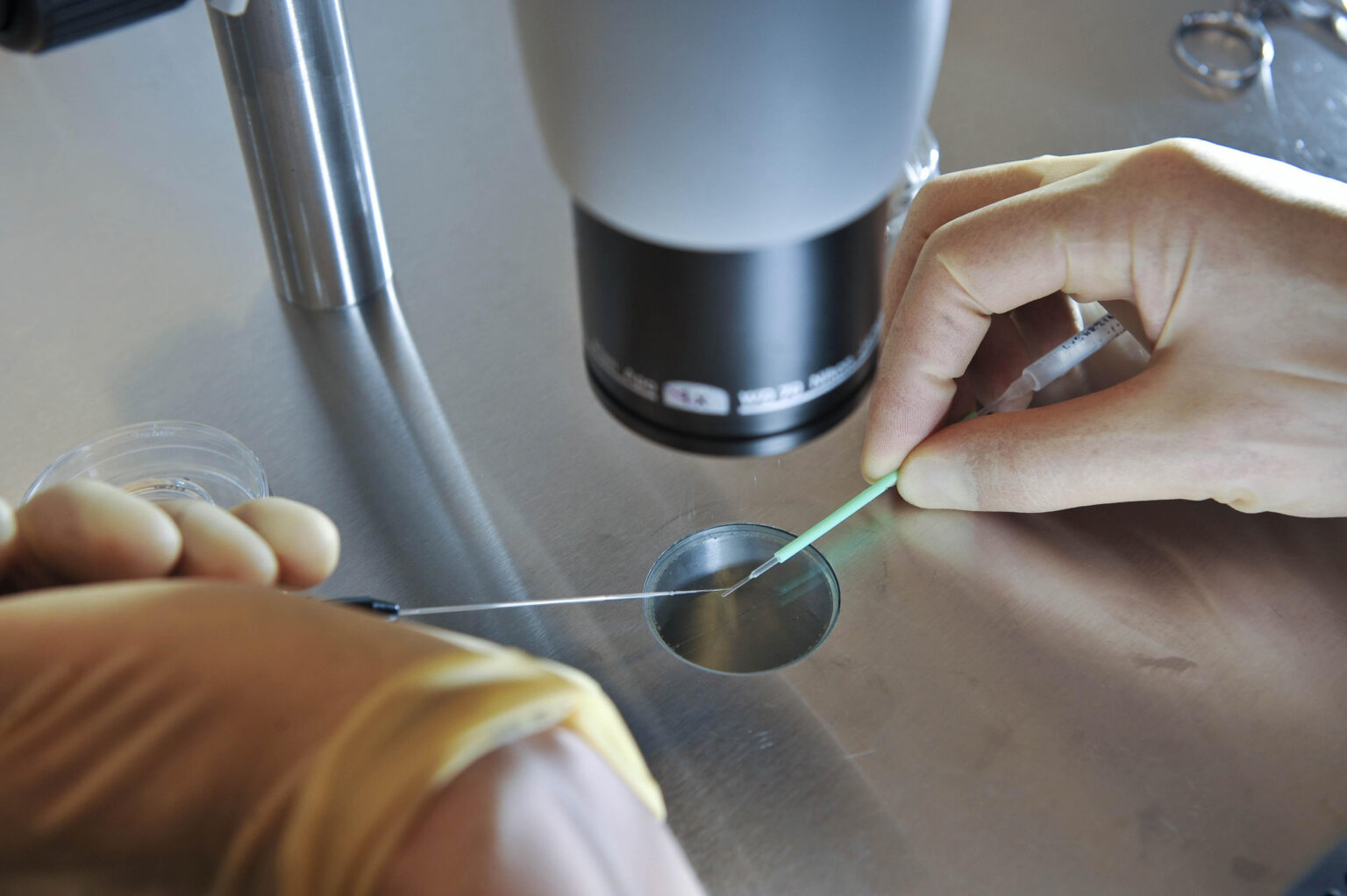
Three Thai women were rescued after a group of Chinese gangsters enslaved them in the former Soviet republic of Georgia in order to harvest their eggs.
The three women rescued from the egg harvesting and trafficking scheme were able to return to Thailand on January 30, according to the Bangkok Post.
Newsweek reached out to Georgia’s Ministry of Internal Affairs via email and the Royal Thai Police via a form on its website outside of business hours for comment.
Why It Matters
The harvesting and trafficking of human eggs is not a new phenomenon, as the European Parliament put forward a motion for a resolution titled the “European Parliament resolution on the trade in human egg cells” in 2005 that “condemn[ed] all trafficking in the human body and its parts” and aimed to regulate egg cell donation, according to the Official Journal of the European Union.
This could continue to be a growing issue as Georgia has no specific laws regarding surrogacy, although the government has said it is in the process of declaring it illegal. The Tbilisi government proposed a ban on commercial surrogacy, preventing foreign couples from accessing the service in the country in 2023, according to Al Jazeera.
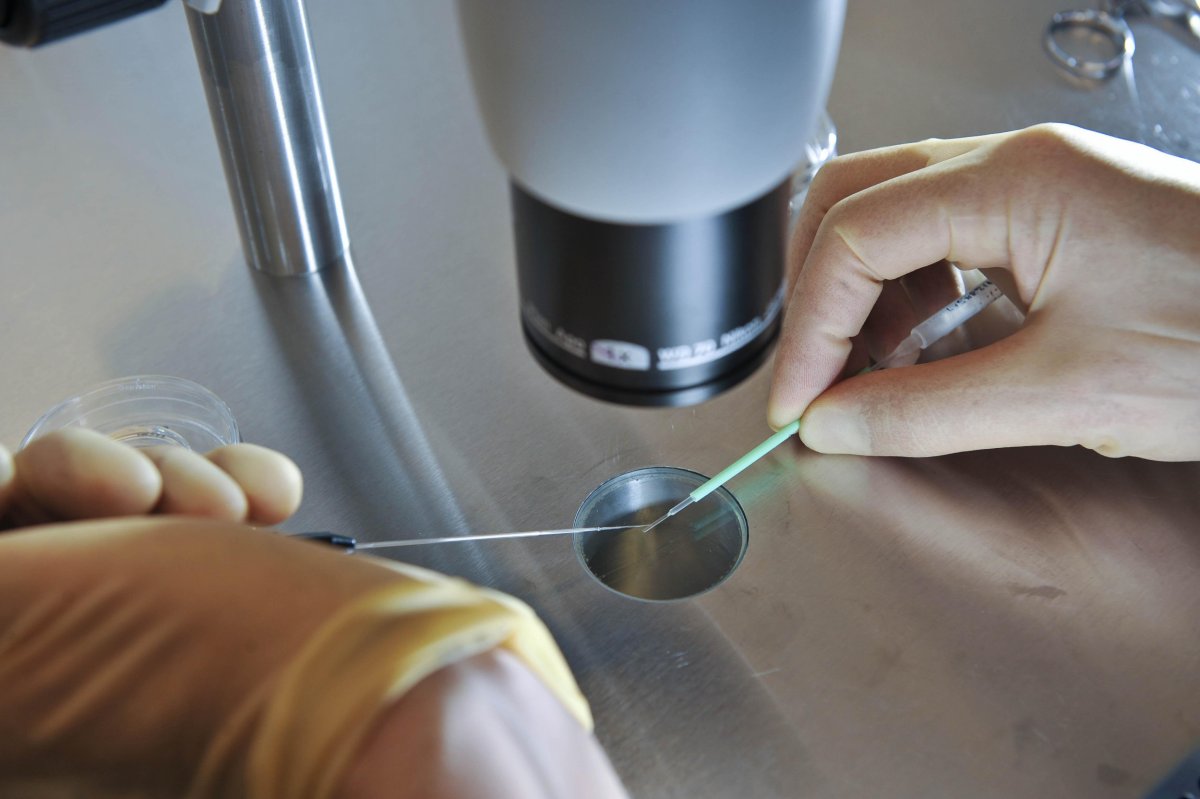
Embryos are placed on a CryoLeaf for instant freezing during the vitrification process in London on August 6, 2009.
Embryos are placed on a CryoLeaf for instant freezing during the vitrification process in London on August 6, 2009.
Ben Birchall/Associated Press
What To Know
The three Thai women were rescued after Pavena Hongsakula, the founder of the Thai non-governmental organization (NGO) the Pavena Foundation for Women and Children, prompted authorities to do so.
Hongsakula told the Bangkok Post that she learned about the women’s enslavement from another victim who had escaped and returned to Thailand in September after paying the Chinese gang about 70,000 baht ($2,053). The Pavena Foundation for Women and Children estimates that 100 more trafficked women remain in Georgia, according to Reuters.
Thai and Georgian authorities are investigating a human trafficking ring that the NGO has alleged is harvesting human eggs from the Thai women brought to the South Caucasus country.
In a press release published on February 6, Georgia’s Ministry of Internal Affairs wrote that “Employees of the Central Criminal Police Department of the Ministry of Internal Affairs, based on a letter received from Bangkok Interpol, launched an investigation under Article 143, part III of the Criminal Code of Georgia, which refers to human trafficking.”
Georgia’s interior ministry wrote that “Up to 70 foreign citizens were interviewed, however none of them, except for 3 Thai women, had any complaints” and that “The 3 Thai women explained that they no longer wanted to be surrogate mothers and stay at their residential address,” before being repatriated to Thailand. The ministry added that the police also questioned four foreign citizens who brought Thai citizens to Georgia for surrogacy.
One of the women, who did not disclose her name, spoke at a press conference in Thailand this week wearing a face mask and hat, and said that she responded to a social media ad for surrogate mothers who would live with families and be paid 25,000 baht ($742.94) a month. She said that after agreeing and being transported to Georgia via Dubai and Armenia, two Chinese nationals “took us to a house where there were 60 to 70 Thai women. The women there told us there was no [surrogacy] contracts or parents.”
The Chinese gangsters allegedly took their passports and told the women they risked arrest if they tried to return to Thailand.
Hongsakula said that after the eggs were harvested, she believes they were sold and trafficked in other countries for use in in-vitro fertilization (IVF).
Foreign affairs police and Interpol coordinated to free the women in late January.
What People Are Saying
Libby Emmons, the editor of the Post Millennial, in a post on X, formerly Twitter: “This is what the unfettered fertility industry looks like. Thai women kept as slaves, human eggs forcibly harvested and sold, in Georgia.”
Marika Mikiashvili, a member of the Droa, a Georgian political party, on X: “‘Urgent help sought for 100 Thai women forced into human egg farm in Georgia.’ The business would not have been allowed without the regime having an active financial share in it. I’m getting ever-convinced that the Georgian Dream are outright terrorists.”
Paola Diana, the chair of the Women’s Policy Centre think tank, on X: “Pure horror, a[n] evil side effect of the surrogacy trade – Women kept as slaves on HUMAN egg farm: 100 victims are fed hormones and treated like cattle, with eggs removed and sold each month by gangsters.”
What Happens Next
It remains to be seen how Georgia will change its laws so that the instances of egg harvesting and trafficking decrease, and when the other victims will be rescued.