
Energy-efficient buildings have gained importance in recent years as they help reduce carbon emissions and address the impacts of climate change, which are becoming more evident globally. The core principle of energy-efficient buildings is to minimize energy loss through their exteriors and keep the building naturally cool. These structures consume less electricity, provide enhanced comfort, and are more environmentally friendly. In addition to lowering heating and cooling costs, they reduce greenhouse gas emissions and promote sustainable living. By reducing reliance on fossil fuels and conserving natural resources, energy-efficient buildings create a comfortable indoor environment that ensures the well-being of their occupants and contributes to a more sustainable future.
Here are some strategies to enhance the energy performance of any building to create a greener and healthier world. Note that passive strategies include the orientation of the building and natural methods to cool the structure, while active strategies focus on HVAC systems and methods to reduce electricity consumption.
Efficient Climate Responsive Design
During the design phase, the building should be planned according to the position of the sun and wind direction so that the building receives natural light while avoiding excessive sunlight penetration during peak hours of the day. This prevents the building from overheating, while windows can bring in natural light for maximum hours. The building can be insulated with insulated bricks or insulating materials, as proper insulation of the walls and roof reduces heat and cooling loss and helps regulate the internal temperature of the building. In hot desert climates, applying cool roof paint to the terrace, which absorbs the most heat due to its large surface area, helps reflect more sunlight, absorb less heat, and maintain a comfortable internal temperature.
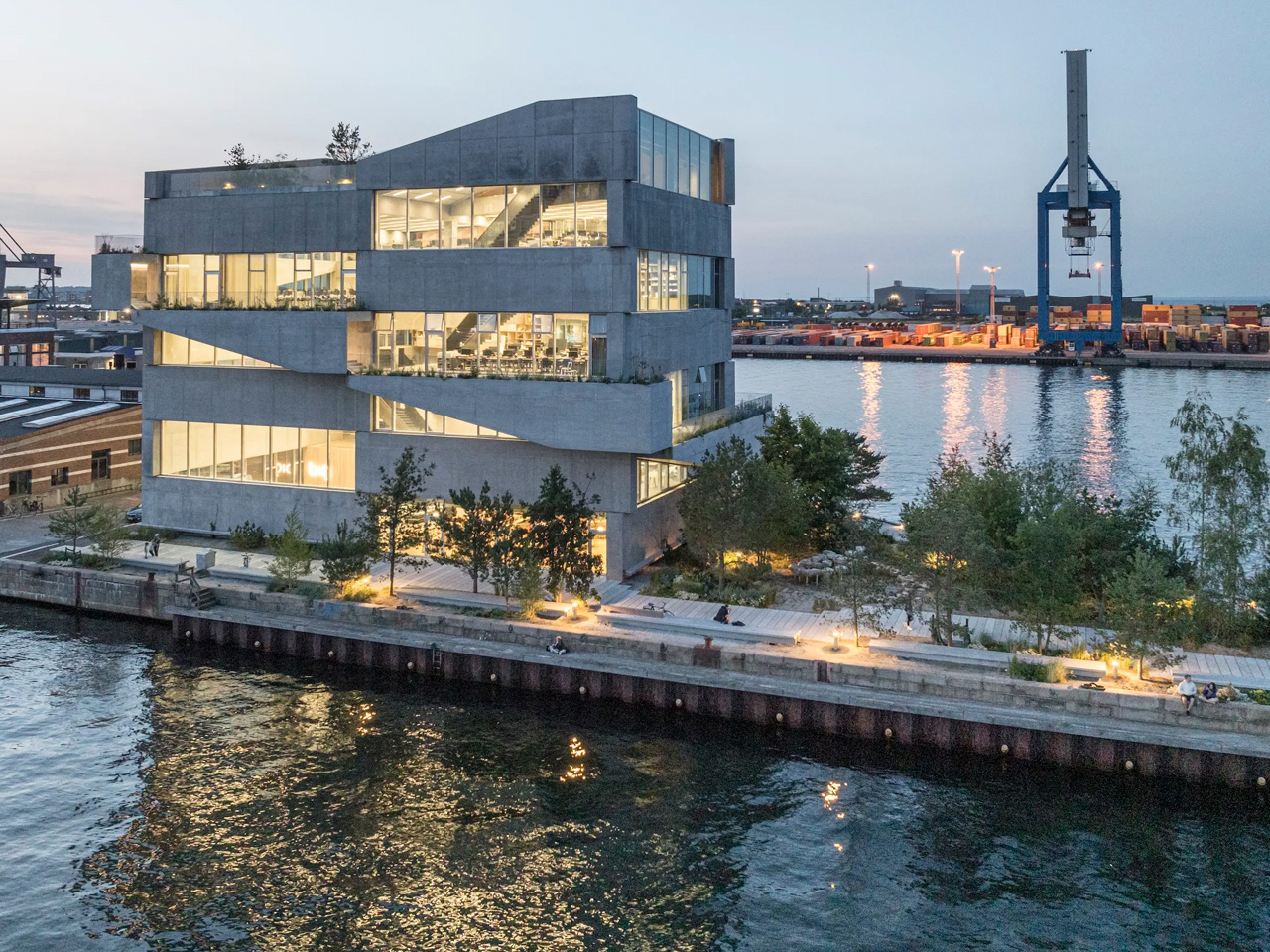
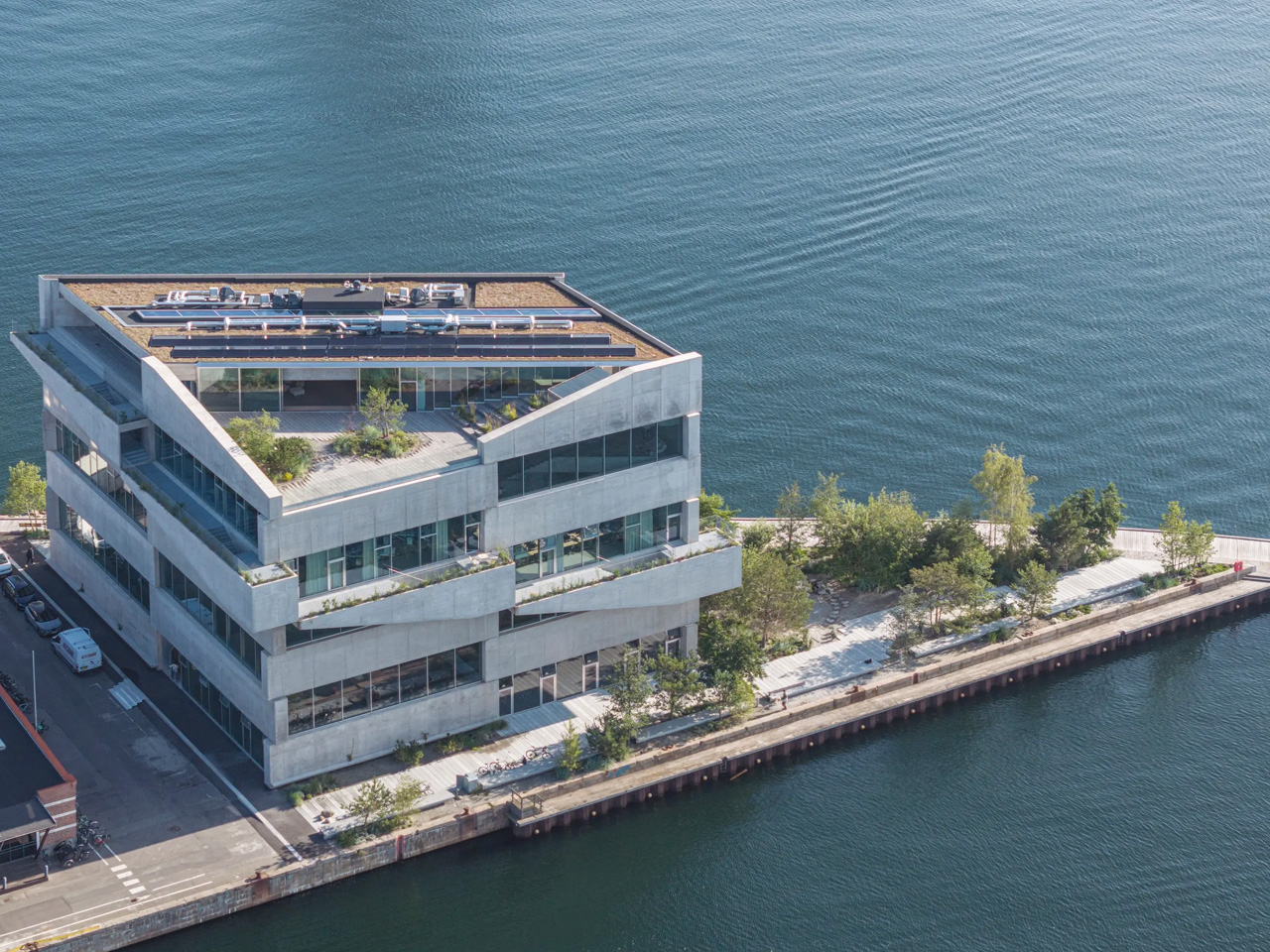
For instance, the Bjarke Ingels Group (BIG) recently completed its headquarters, Piranesian, in Copenhagen’s Nordhavn Harbor. This 89-foot concrete building features a 460-foot exterior staircase that doubles as a terrace and fire escape for all seven floors. Built with Uni-Green concrete, it reduces carbon emissions by 25% compared to traditional concrete. The interior combines concrete and wood, with a flowing design that maximizes natural light, and a secondary staircase and elevator on the northern side.
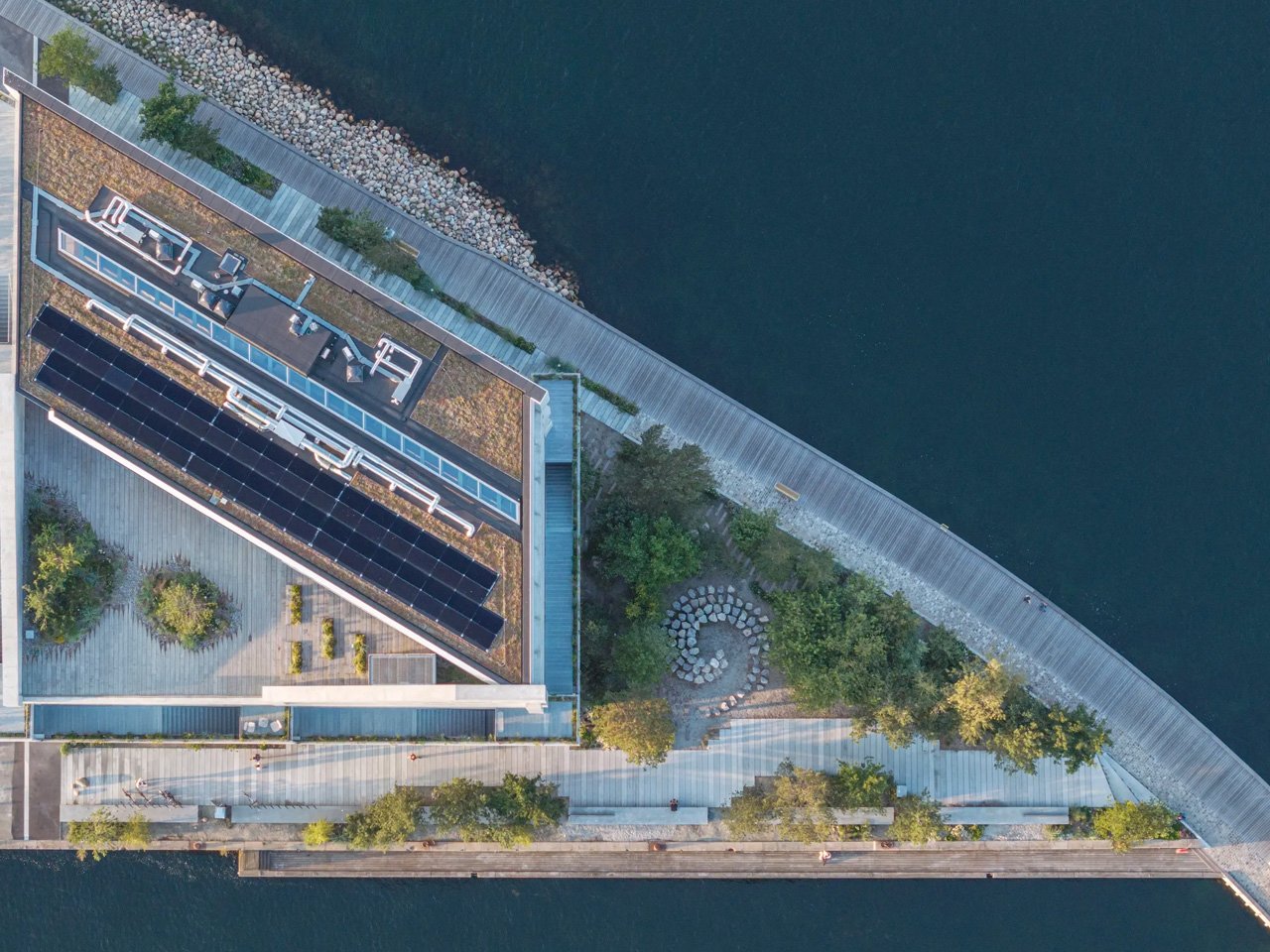
The building is surrounded by greenery, with wind-tolerant plants and herbs used in the staff canteen. The rooftop terrace offers views and additional greenery, constructed with wood from a local sawmill. A 16,000-square-foot beach park was created near the building, and it seeks inspiration from Denmark’s coastal landscapes. The HQ is energy-efficient, with solar panels on the roof and a geothermal system that provides 84% of heating and 100% of cooling needs.
Harnessing Renewable Energy
Solar panels are a highly efficient way to harness sunlight for heating water, warming swimming pools, or generating electricity for home lighting. Installing them on the roof ensures optimal sunlight exposure for maximum energy production. The solar panels can also be placed in open areas, but they must face the sun for peak performance. The two main types of solar panels are photovoltaic (PV) panels, which convert sunlight into electricity, and thermal panels, which heat water. When combined with passive solar design strategies, these approaches help in reducing the energy consumption of the building, supporting a shift to renewable energy and sustainable living.
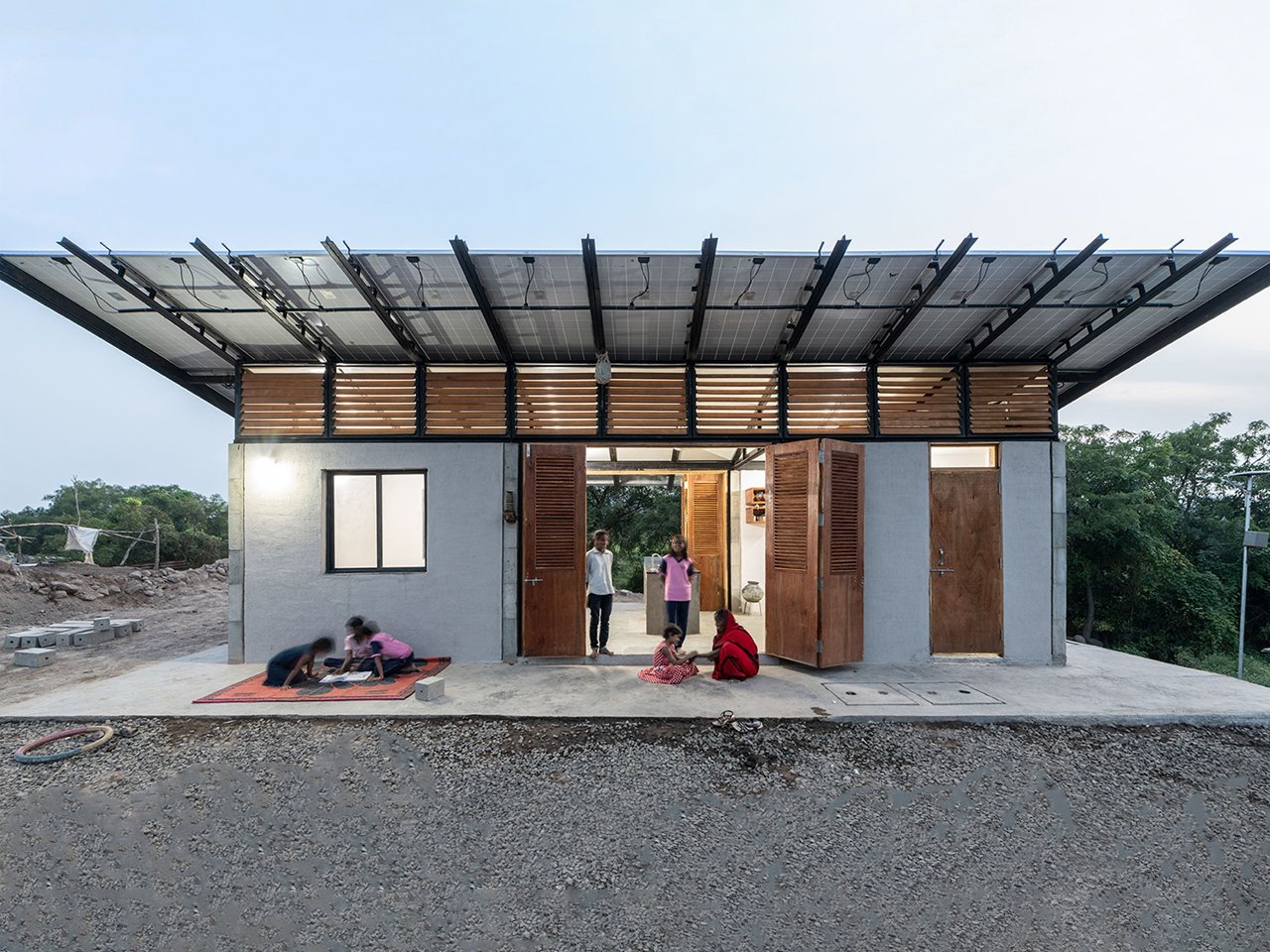
Net-zero architecture offers a powerful solution to reduce emissions from the construction industry while addressing global housing and climate crises. The PowerHYDE housing model, created by Prasoon Kumar and Robert Verrijt of Billion Bricks, is designed to help low-income communities in Southeast Asia. These solar-powered homes generate their energy, collect rainwater, treat sewage, and can even grow food. The modular, plug-and-play homes require no external services and are built using an indigenous prefabricated technique, making them easy to assemble in remote locations.
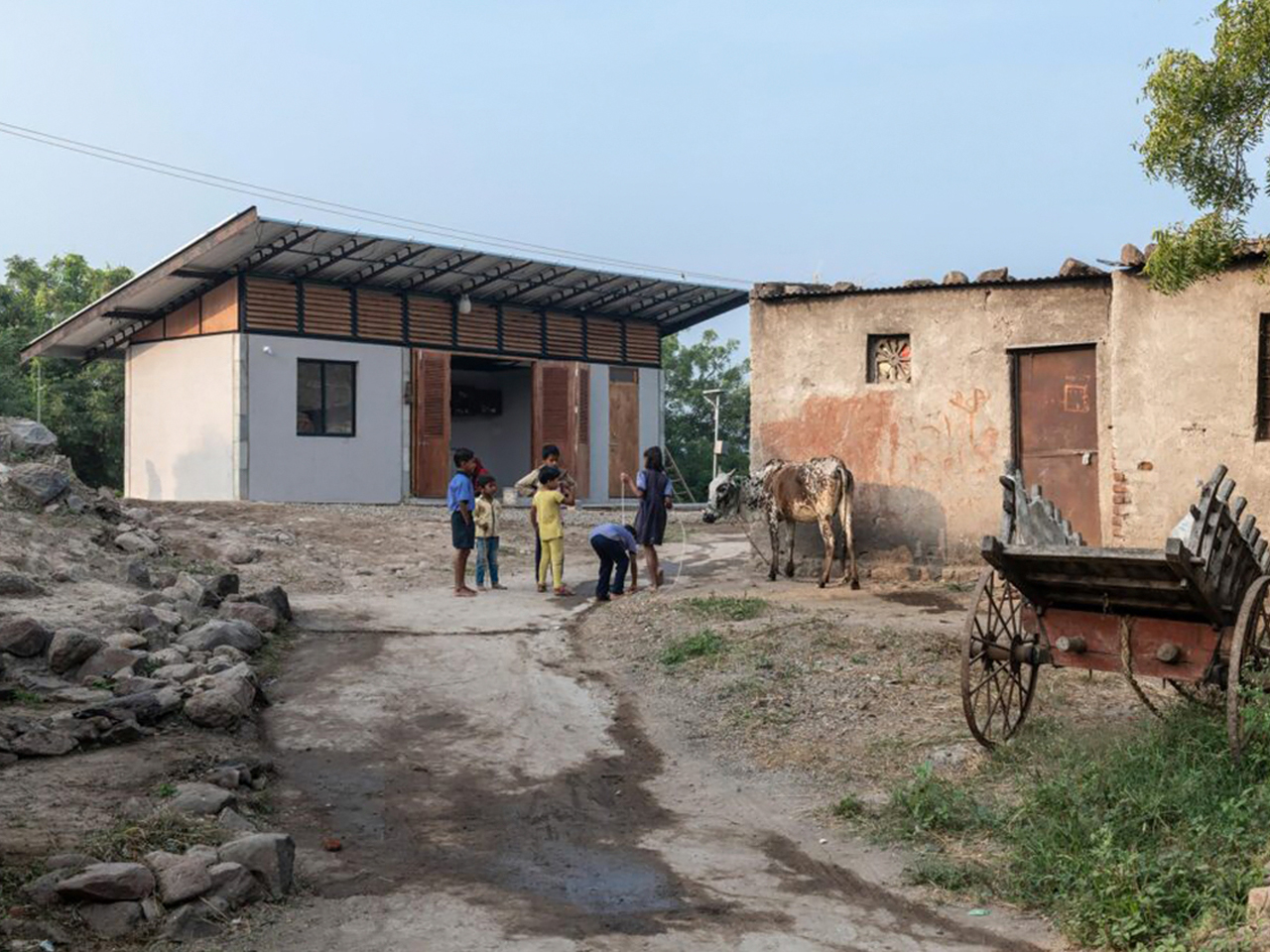
PowerHYDE homes not only provide shelter but also offer an opportunity for homeowners to generate profit by selling excess energy back to the grid. This cost-effective, sustainable solution has won the Holcim Award for Sustainable Construction. Billion Bricks plans to build a 500-home community near Manila, Philippines, that will generate 10 megawatts of power. The model reduces emissions, promotes homeownership, and empowers individuals to live sustainably, even in rural areas.
Sustainable Building Solutions
Choosing natural materials like bamboo, cork, local materials, rammed earth, and brick helps create sustainable, energy-efficient buildings. The selection of windows is also crucial, and it is advisable to opt for double- or triple-glazed windows with low-E coatings for better insulation. In hot climates, minimize the number of windows to prevent excessive heat buildup indoors, while in cooler climates, maximize window openings to allow more sunlight. Additionally, a green roof can mitigate the urban heat island effect, keeping the building cooler and providing insulation from direct sunlight. Water conservation is another key element in energy-efficient buildings. Installing low-flow showerheads and faucets reduces water consumption without compromising performance and contributes to overall sustainability and energy efficiency.
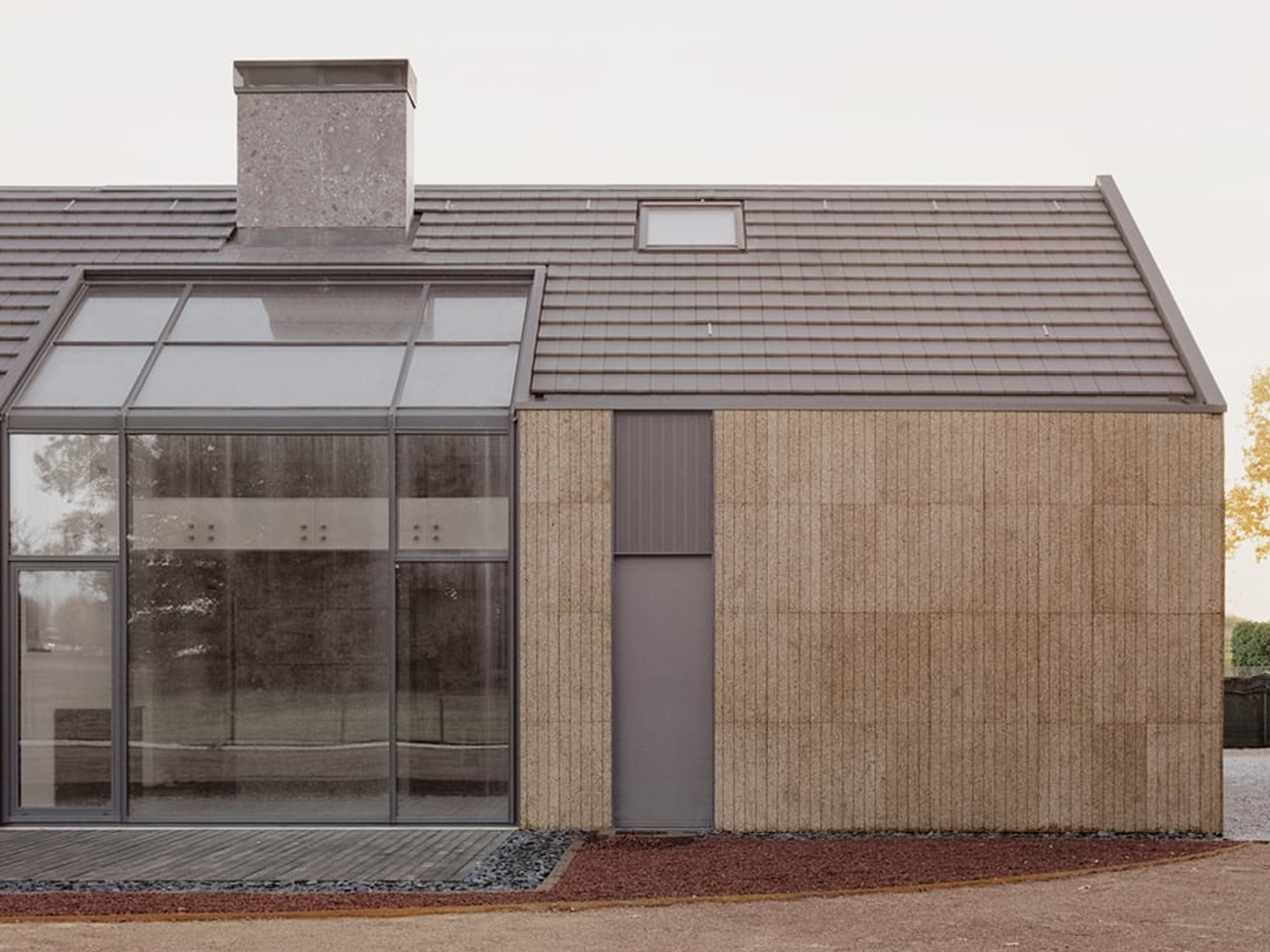
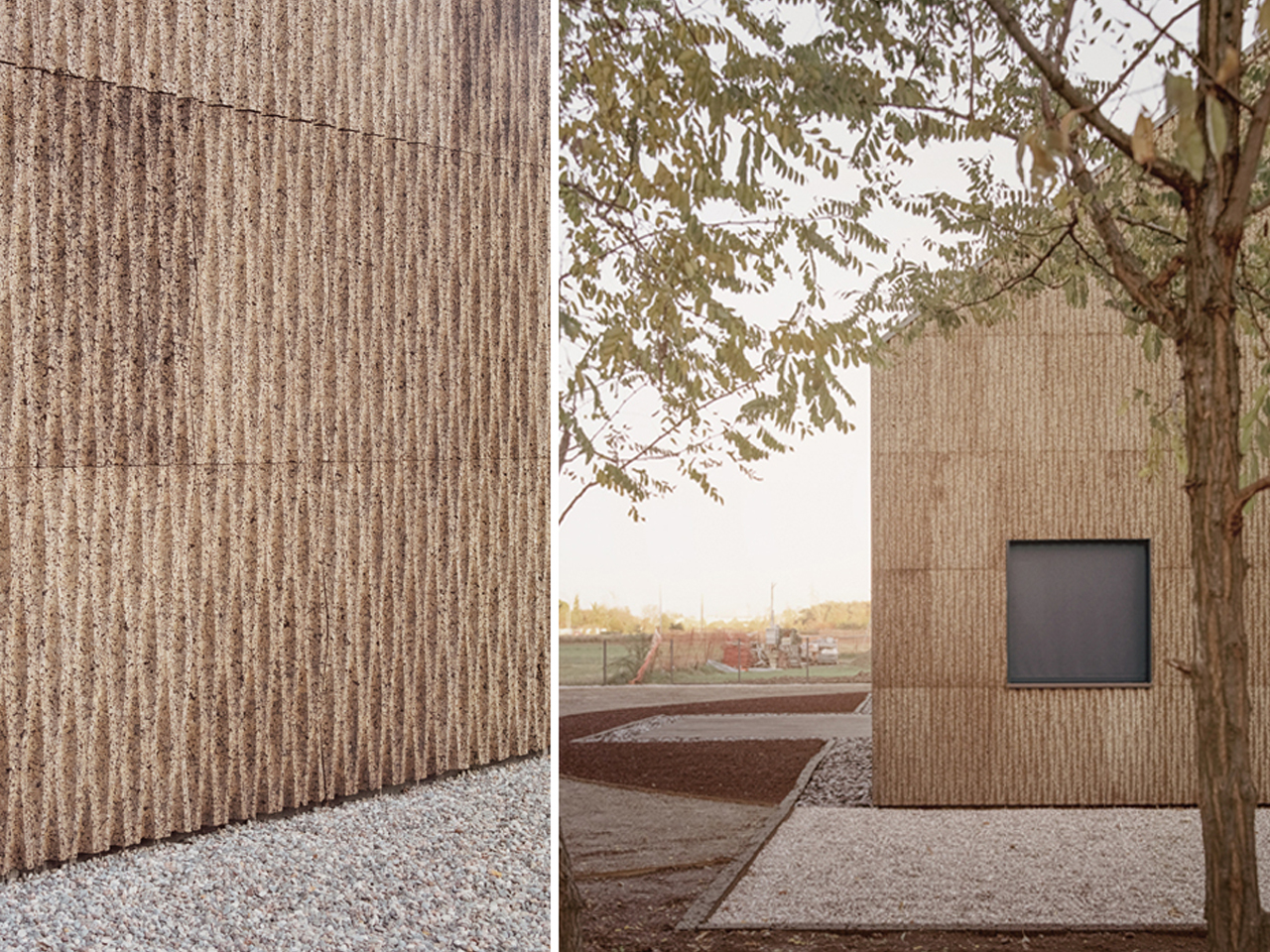
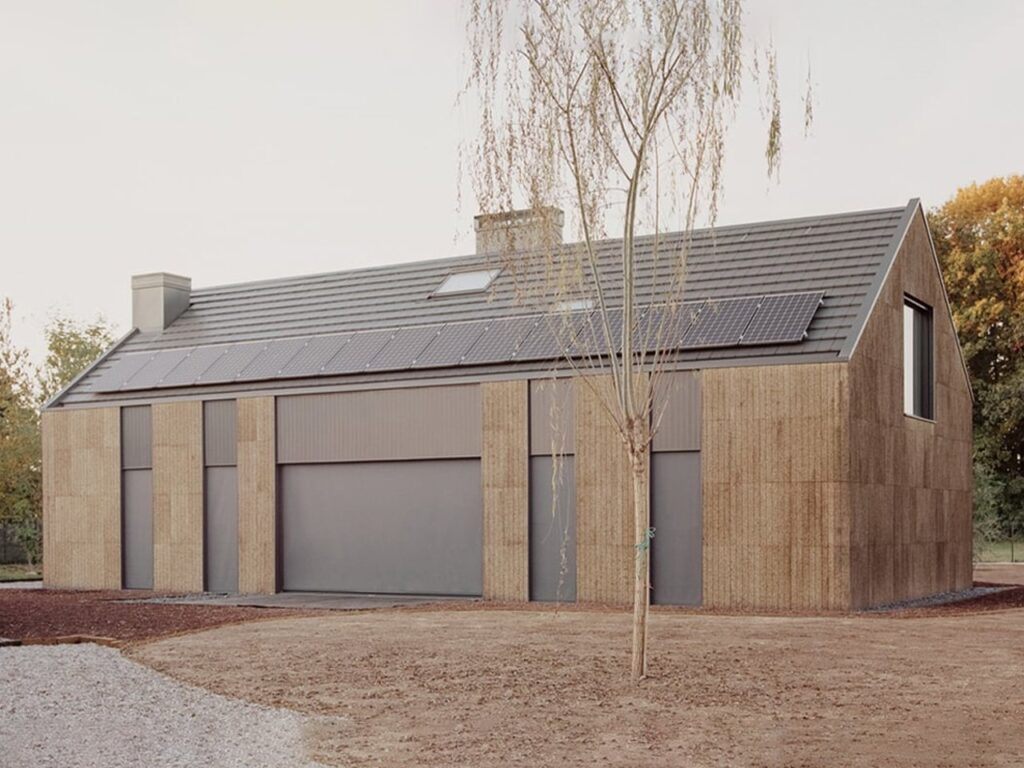
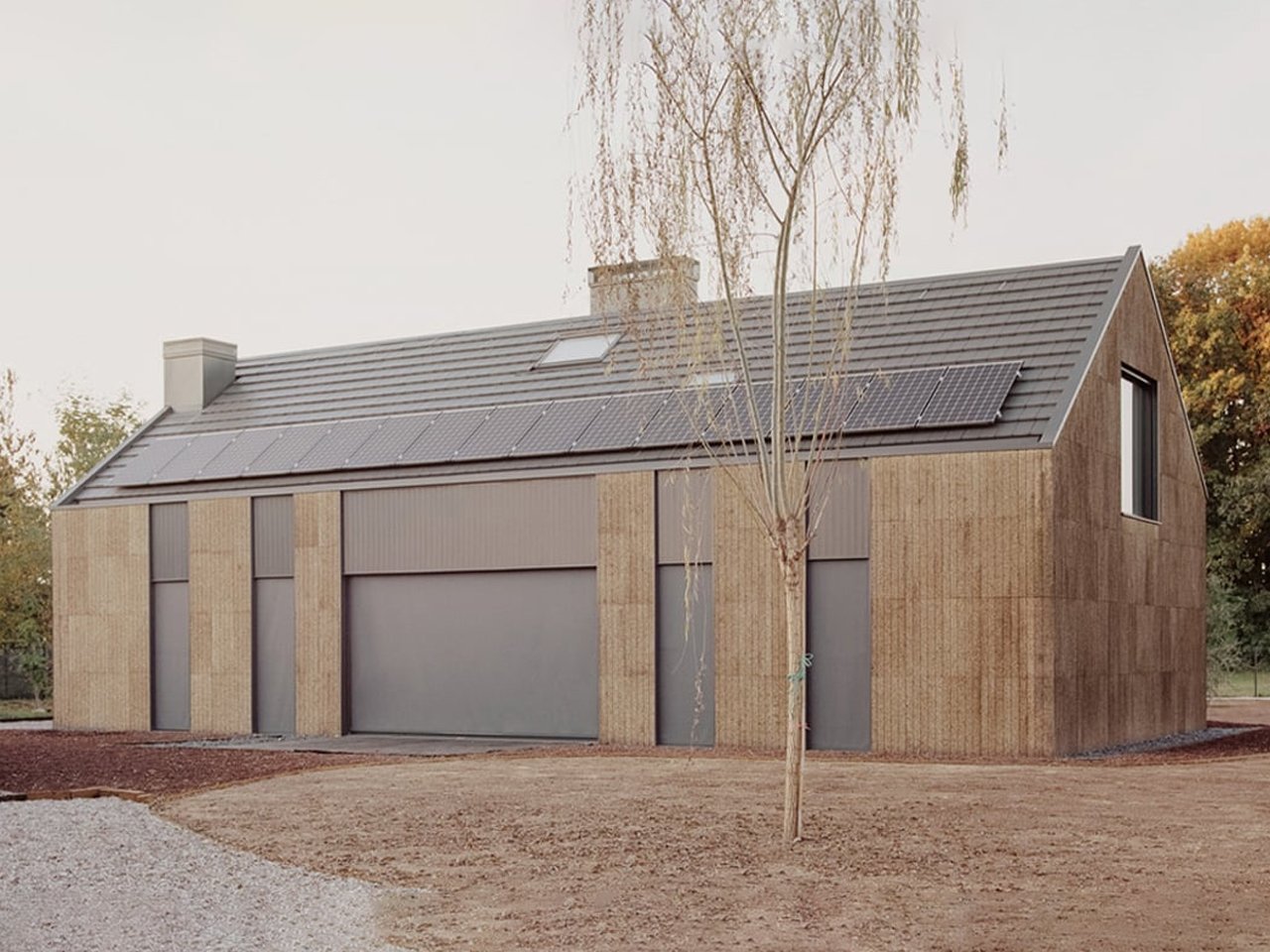
The House of Wood, Straw, and Cork is a sustainable farmhouse located on the outskirts of a small Italian village. Designed by Milan-based LCA Architetti for a couple of computer scientists, the two-story home blends seamlessly with the surrounding countryside. The structure features a prefabricated timber frame, clad in cork for insulation, and straw sourced from repurposed rice plants donated by local farmers. The design reflects the traditional rural architecture of the area while incorporating eco-friendly materials.
Sustainability is at the heart of the home’s construction, with recycled materials and solar panels on the roof to generate energy. This self-sufficient house reduces energy consumption and greenhouse gas emissions. Inside, natural wood and stone create a calming atmosphere, while large windows invite ample natural light and provide stunning views of the Italian landscape. The House of Wood, Straw, and Cork is a perfect example of simple, environmentally conscious architecture.
Reduce Energy Costs
To save on electricity costs, it’s best to choose appliances with higher Energy Star ratings, as they consume less power and are more energy-efficient. Older appliances tend to use more energy, so upgrading to newer, energy-efficient models can significantly reduce both energy usage and electricity bills. LED lighting is another effective solution, consuming much less energy than incandescent and halogen bulbs while providing the same level of brightness. An efficient HVAC system is also key to lowering energy costs. Regularly cleaning filters is important, as dirt buildup can cause the system to work harder and consume more energy. Additionally, using sealants to prevent air leaks and ensuring the system is properly maintained will improve its overall efficiency and reduce electricity costs.
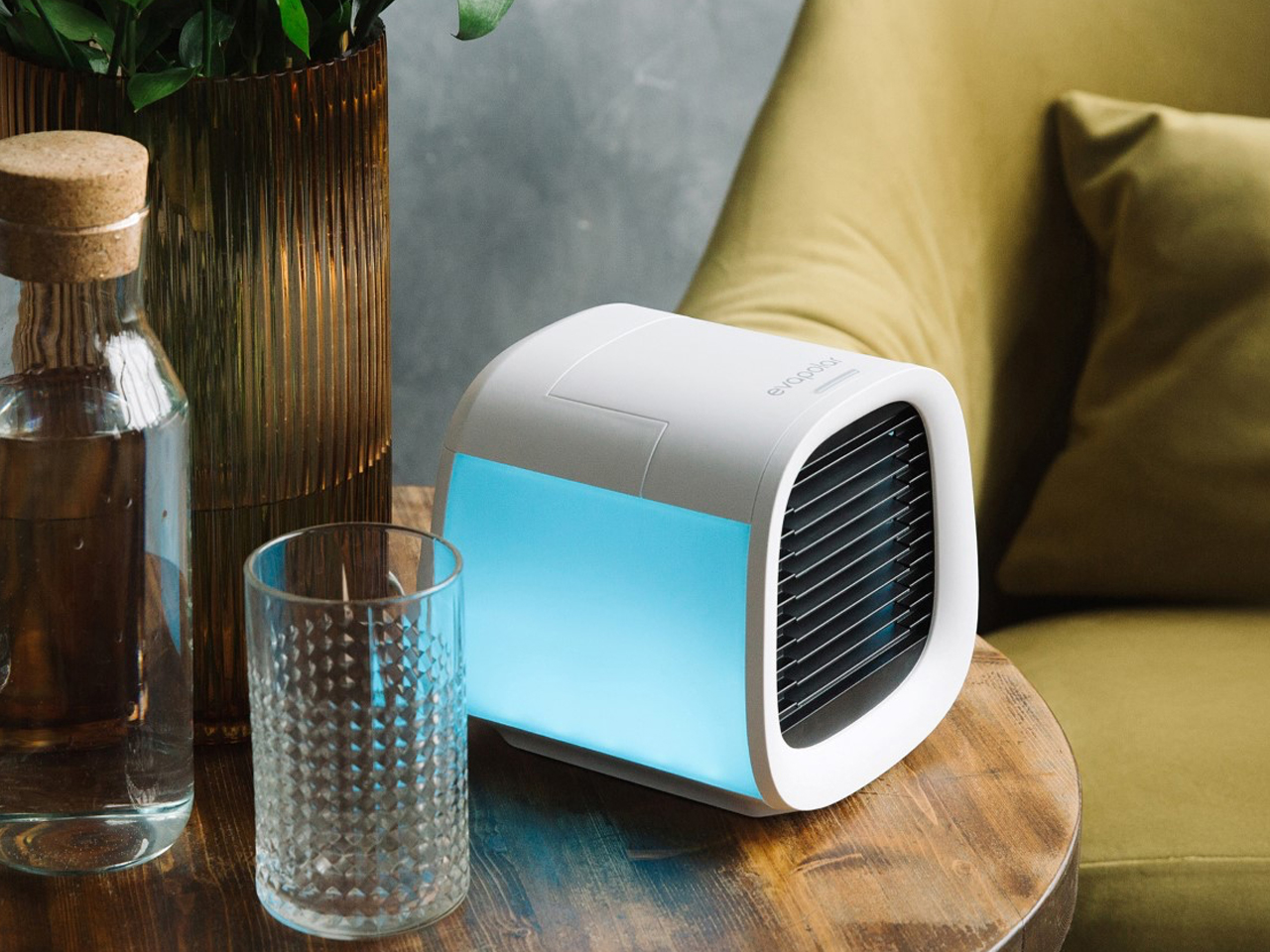
The evaCHILL is a compact, portable air cooler designed to provide efficient cooling while using significantly less energy than traditional air conditioning. Using evaporative cooling, which is a natural process that requires minimal energy, the evaCHILL cools the air by up to six degrees. Unlike energy-hungry AC units, which can consume hundreds of watts, the evaCHILL only uses 7.5 watts, helping reduce electricity costs. It’s perfect for personal cooling, making it ideal for individual use at home or the office.
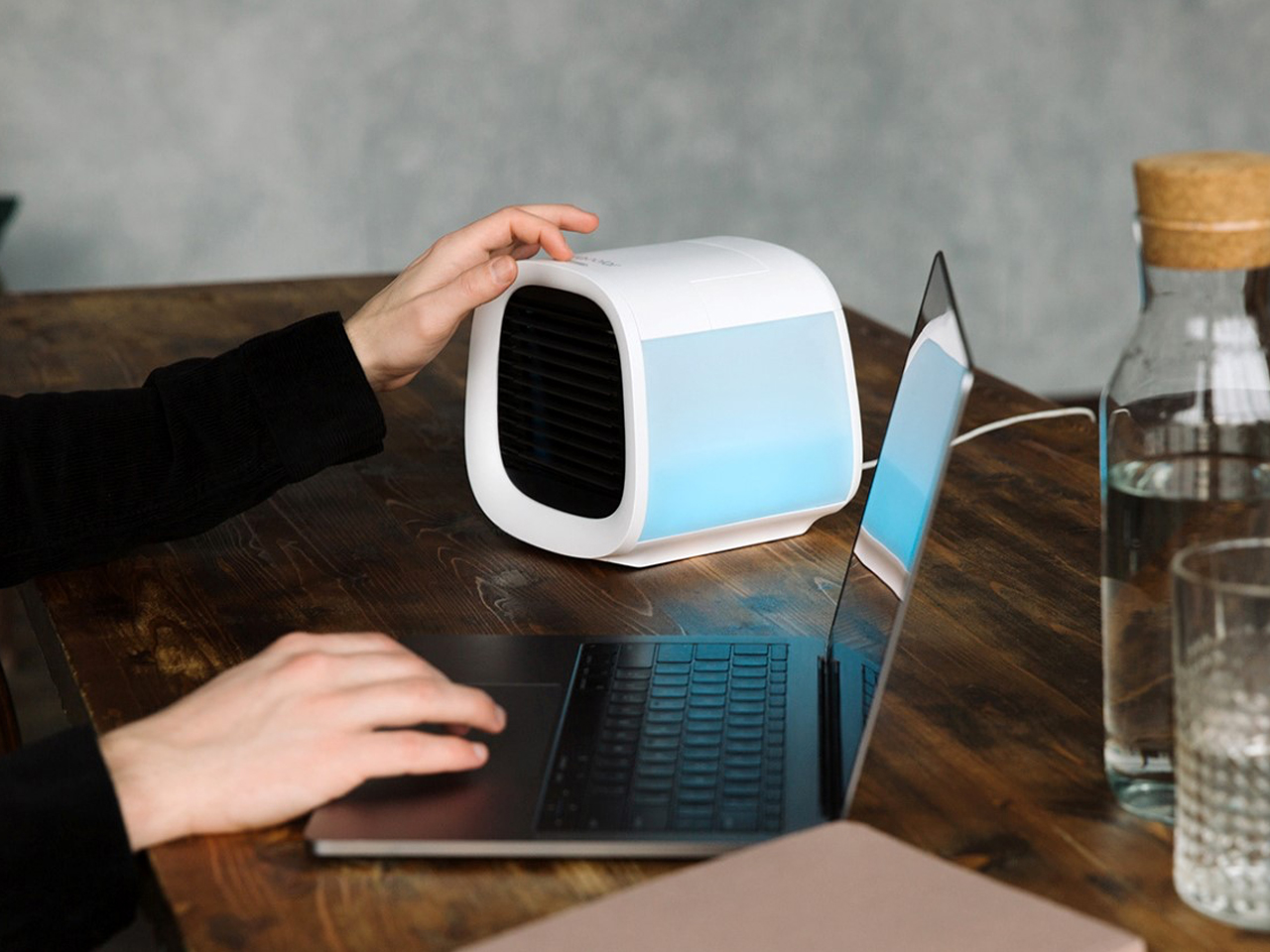
The evaCHILL is small enough to place on a desk or bedside table, creating a cool microclimate around you without the need to cool an entire room. It uses a simple water reservoir, and the built-in fan produces a fresh mist to lower temperatures. The cooler’s air filter traps dust and allergens, maintaining clean air while ensuring the device operates efficiently. With USB charging, the evaCHILL is a cost-effective and portable solution for reducing energy bills.