
Greece, with its rugged mountains, deep seas, and diverse ecosystems, is home to thousands of unique animal species, many of which are endangered.
Greece’s Biodiversity: A Haven for Unique Species
Greece boasts around 18% of Europe’s total fauna, with over 4,000 species of animals found exclusively in the country. From rare birds of prey to marine mammals and endemic fish, Greek wildlife plays a crucial role in the region’s ecological balance. However, many species face significant threats due to habitat destruction, climate change, and human activity.
Iconic and Endangered Species of Greece
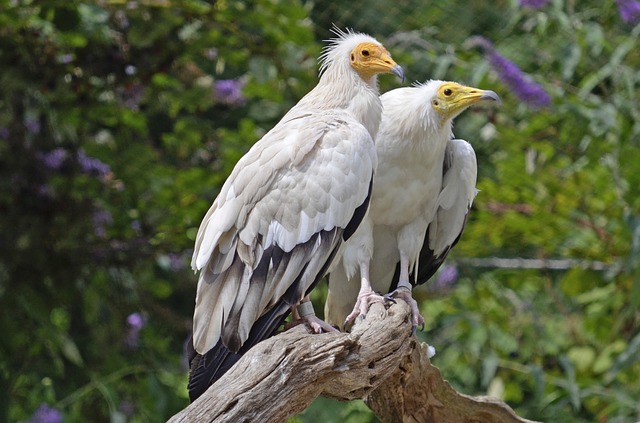
The Egyptian Vulture (Neophron percnopterus): Also known as the “sacred vulture,” this critically endangered bird is the smallest of the four vulture species in Greece. Today, only a handful of breeding pairs remain in the country.
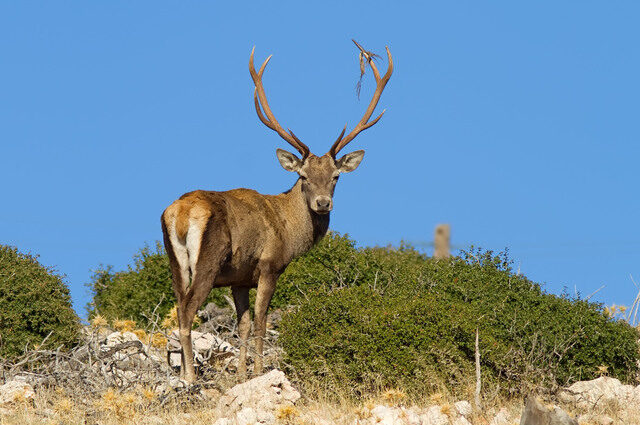
The Red Deer (Cervus elaphus): As Greece’s largest herbivore, the red deer has played a vital role in the country’s ecosystems for centuries. Once widespread, its population is now limited to regions such as Parnitha and Rhodope.
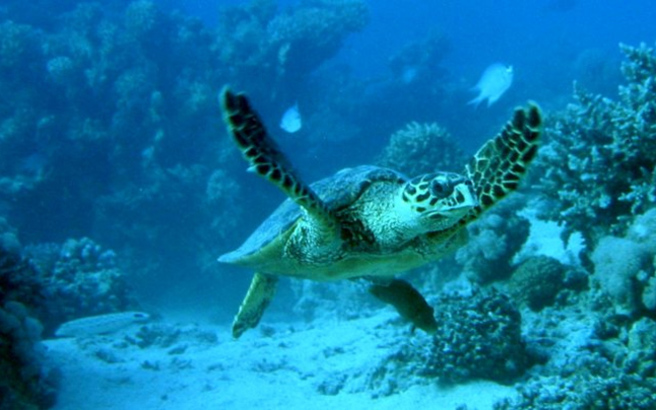
The Caretta-Caretta Sea Turtle: This ancient species has been a resident of the Mediterranean for millions of years. Greek shores serve as crucial nesting grounds, particularly on the beaches of Zakynthos, Crete, and the Peloponnese.
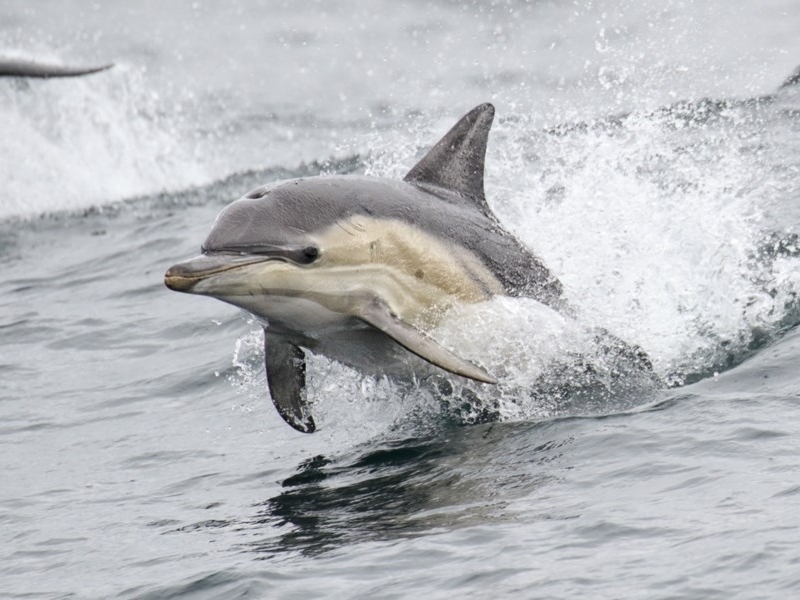
The Common Dolphin (Delphinus delphis): Once the most widespread dolphin in the Mediterranean, this intelligent marine mammal is now at risk due to overfishing, pollution, and habitat destruction.
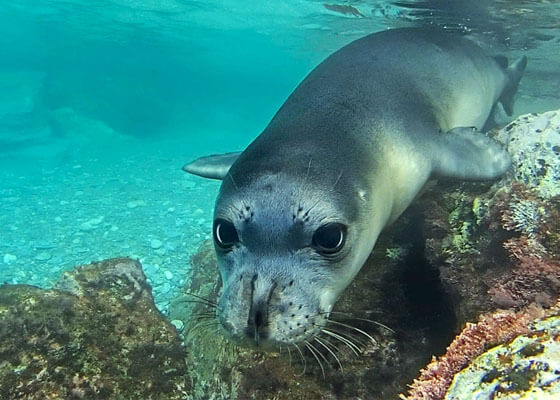
The Mediterranean Monk Seal (Monachus monachus): One of the rarest marine mammals in the world, the Mediterranean monk seal finds refuge in Greece’s coastal caves and waters, though its numbers remain critically low.
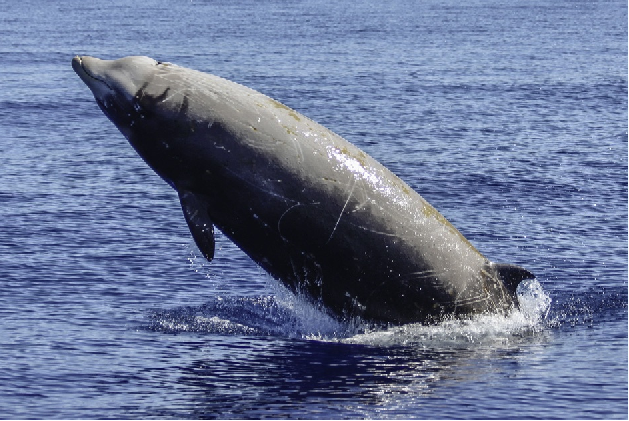
The Beaked Whale (Ziphius cavirostris): Known for its deep-diving abilities, this elusive species inhabits the Greek Trench and other deep-sea areas, though it is highly vulnerable to noise pollution.
Conservation Challenges and Efforts
Despite its rich biodiversity, Greek wildlife faces numerous threats. Illegal poaching, habitat loss, and climate change have led to drastic population declines among several species. The International Union for Conservation of Nature (IUCN) has listed many Greek species as endangered, emphasising the need for stronger conservation measures.
Efforts to protect these species include national parks, marine sanctuaries, and conservation programs led by organizations such as the Hellenic Ornithological Society and the ARCHELON Sea Turtle Protection Society. However, continuous action is required to ensure the survival of Greece’s wildlife.
A Call to Action
As Greece celebrates World Wildlife Day, the spotlight is on the urgent need to preserve its unique fauna. Protecting these species is not only vital for biodiversity but also for maintaining the ecological and cultural heritage of the country. Strengthening conservation efforts, enforcing stricter environmental laws, and raising public awareness are key steps toward safeguarding Greece’s wild inhabitants for future generations.
(Source: CNN Greece)