
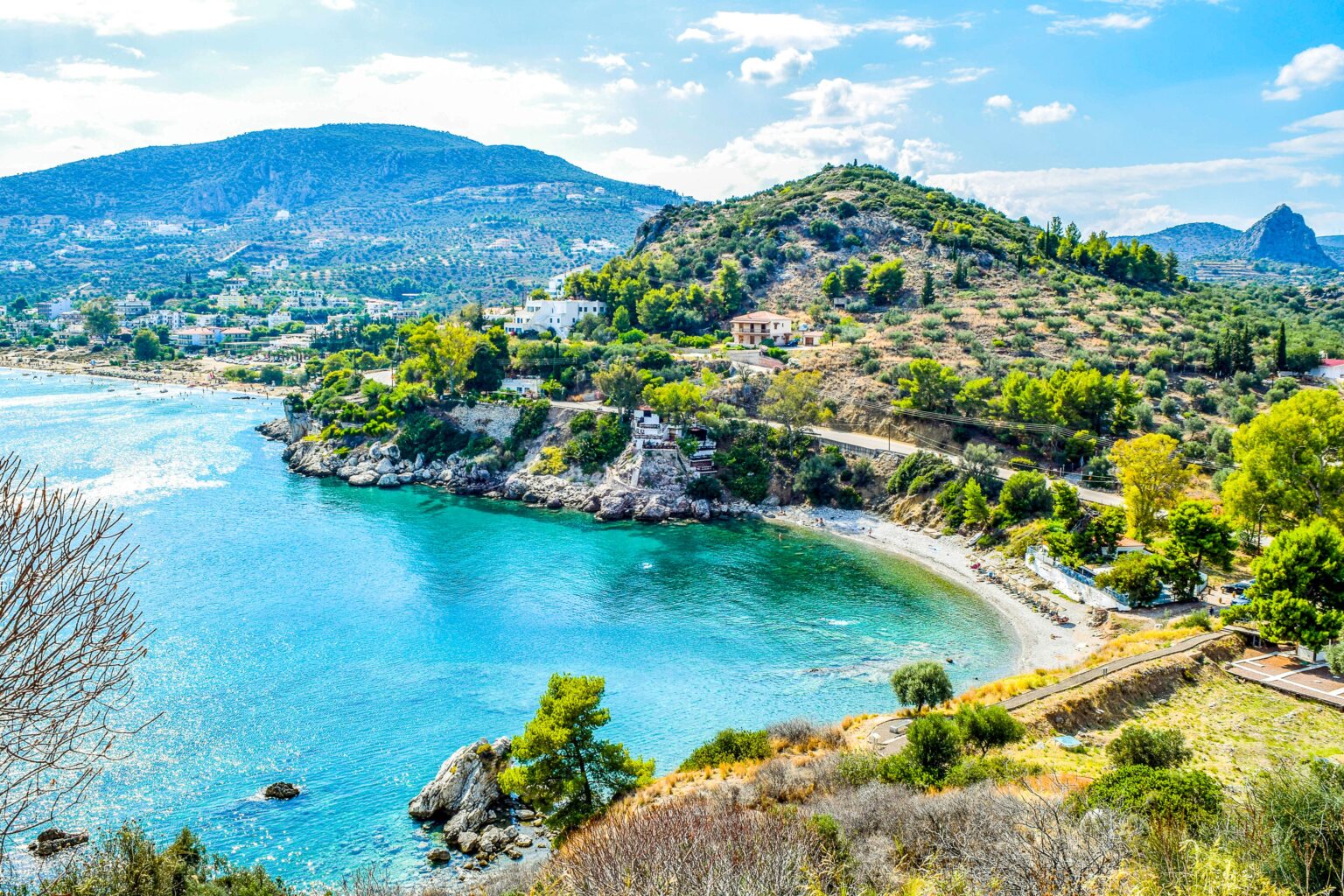
While focusing on the most important Ancient Greek cities to see, many forget that many other settlements faded into antiquity. As tourists bask on sun-soaked beaches, a team of intrepid underwater archaeologists has been busy uncovering an entire ancient port hiding beneath the waves for 2,000 years.
This Ancient Greece breakthrough isn’t just another archaeological footnote – it’s like finding a long-lost international trading hub, complete with all the sophisticated infrastructure that once made it the beating heart of Mediterranean commerce.
How has this discovery managed to shake people up the same way mythical, ancient lost cities that were once lost but rediscovered did? The discovery represents a rare opportunity to explore a maritime time capsule that could significantly alter our understanding of how Greek coastal settlements operated through the centuries. What can we learn from the rediscovered port city of Asini?
Related
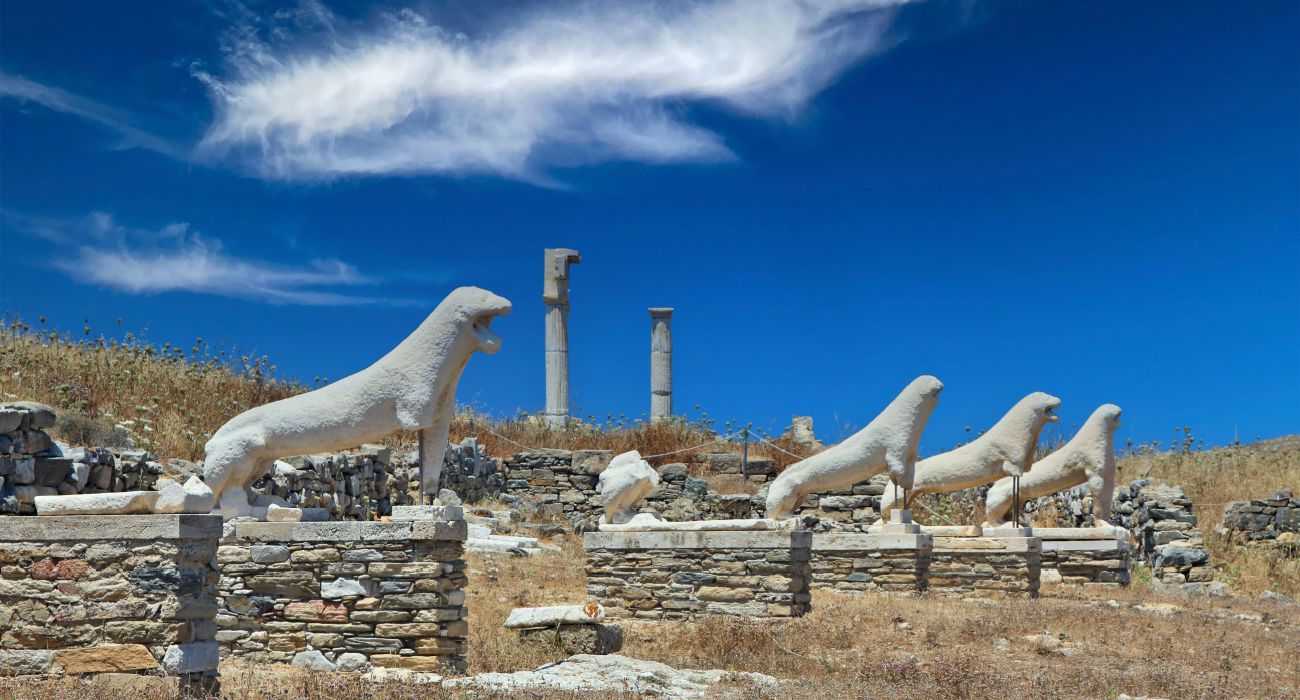
The sacred island of Delos is full of impressive Ancient Greek ruins and is one of the best places to learn about the Ancient Greek world.
Making A Splash With Hidden Harbor Findings In Asini, Greece
Underwater detectives crack a 2,000-year-old case
The year 2022 marked the beginning of an ambitious underwater expedition when an international coalition of archaeological experts decided to dive into history. Using sophisticated photogrammetry techniques, they documented a 16-square-meter area of seabed and discovered a substantial stone foundation that once anchored this bustling ancient port.
Rather than evidence of sudden catastrophic destruction, the scattered stones and construction fragments revealed a different narrative – this harbor didn’t succumb to dramatic disaster; it gradually surrendered to the sea over centuries, slowly fading from maritime prominence as silt and tide worked their patient magic. Had this port survived, it might have been one of Greece’s most beautiful beach towns. Alas, it was lost hundreds of years ago.
How do we know about this port? This same city earned literary immortality in Homer’s Iliad as a contributor of ships to the Trojan War.
From Hazy History To Clear Underwater Vision
Ancient port reframes Mediterranean maritime understanding
Asini isn’t exactly a newcomer to the archaeological scene – its existence has been known since ancient times. It may even have a chance to be considered one of the best historical sites in Greece! However, the true extent of its maritime infrastructure remained shrouded in mystery, until divers took the plunge.
This Ancient Greek breakthrough has transformed our understanding of just how extensive and sophisticated the city’s harbor facilities actually were. The submerged artificial platform discovered off the coast represents far more than a simple dock, suggesting a multi-functional maritime complex that served as the commercial lifeblood of the ancient city.

Related
“The Silent Witness of Time Have Come to Light,” as Excavations in Turkey Reveal Plethora of Greek Gods and Goddesses
The History Of A Port That Stretches For Millennia
While Asini isn’t among the oldest cities in the world, it still has quite a lineage. The story of Asini stretches back far longer than most history enthusiasts might imagine. Archaeological evidence suggests human settlement in the area began as early as the 6th millennium BCE during the Neolithic period, making this site one of Greece’s longest continuously inhabited locations.
What’s particularly remarkable about Asini’s development is how the landscape transformed over millennia. The Acropolis cliff was likely still an island when the earliest settlers arrived. Natural erosion gradually formed a lagoon and eventually connected the island to the shore, creating the perfect natural harbor that would later become this Ancient Greek breakthrough.
While many ancient Greek settlements were known primarily for their acropolis or temples, Asini’s identity appears intrinsically linked to its maritime function.
The Broader Historical Significance
How one submerged harbor changes the Mediterranean narrative
The discovery of Asini’s underwater port infrastructure doesn’t merely add another dot to the archaeological map – it fundamentally shifts our understanding of ancient Mediterranean maritime networks. This Ancient Greece breakthrough provides tangible evidence of sophisticated engineering capabilities and commercial priorities that extend far beyond what historical texts alone could reveal.
The discovery challenges traditional assumptions about the development of port facilities in Ancient Greece. Additionally, the underwater preservation of this site offers unique insights impossible to glean from conventional land-based excavations, creating an archaeological time capsule largely untouched by subsequent human activity.
Related
Ancient Greece’s Lost “Atlantis” Could Actually Be A Real Viking Land
The lost Greek city of Atlantis might not have been a Greek city at all and could have been another ancient northern city, now called Atlantis
Future Excavations & Unanswered Questions
The next chapter in Asini’s underwater saga
The submerged harbor at Asini has only begun to reveal its secrets. Despite significant discoveries, researchers estimate they’ve barely scratched the surface of what this remarkable underwater site has to offer. The next stage of the investigation will see scientists meticulously removing sediment to uncover small details to help us understand this port city. This discovery has taught us that many things we assume about ancient cities might not actually be true after all.