
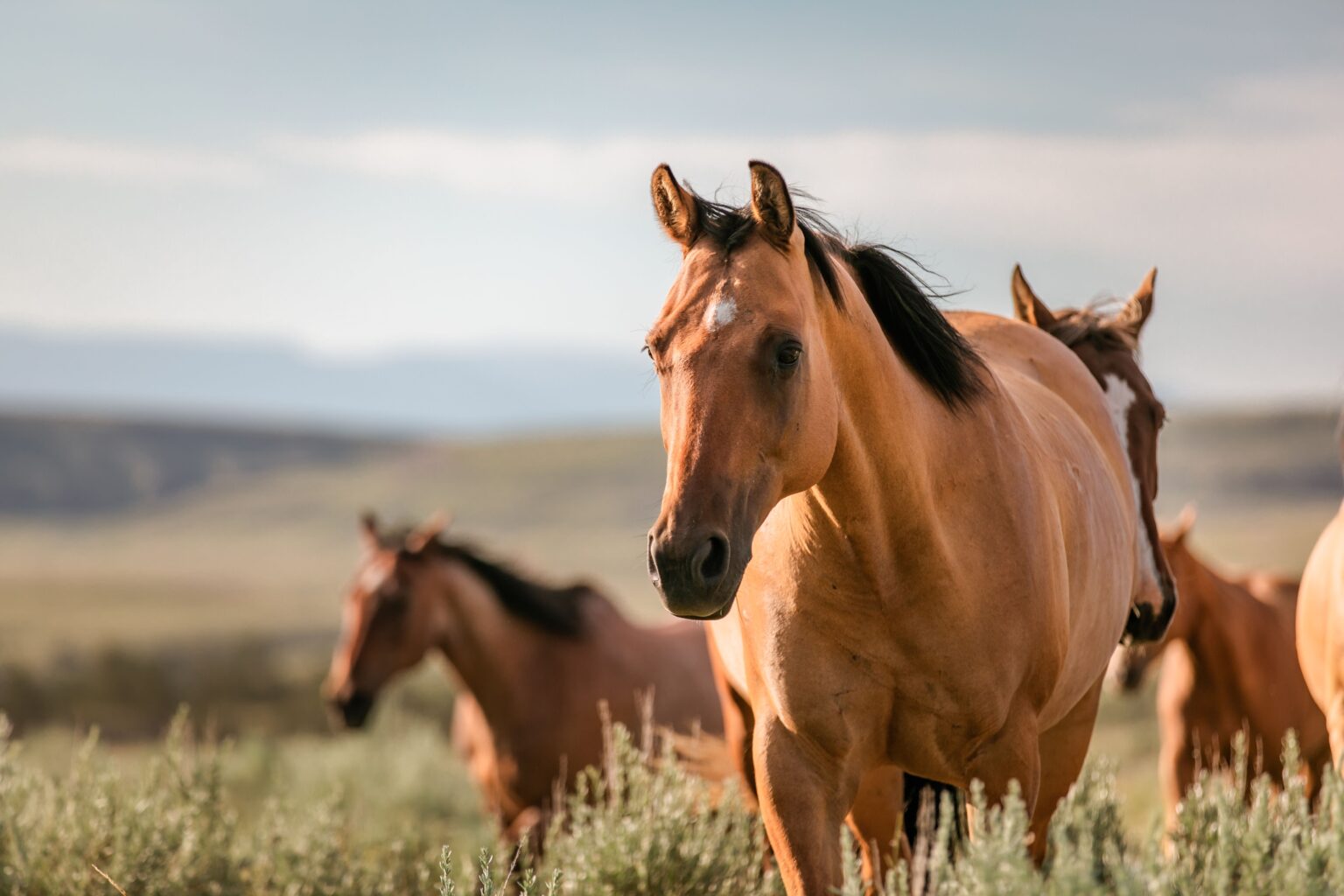
Wild horses are often seen as a nuisance. However, that is not the case in Spain. Instead, wild horses are revered for their contribution to the local environment.
In Galincia, Spain, wild horses have been a part of the culture and community for generations. Once used for food, the horses and people began to have a harmonious relationship over time. The locals would care for the health of the horses while only taking a few wild horses for food as necessary.
Over the years, the importance of wild horses in Galincia has gone from cultural to necessity. This is because the wild horses of Galincia are responsible for clearing acres upon acres of wild flora, specifically gorse. This plant is highly combustible and contributes to wildfire spread. In doing so, they protect the community from wildfires that have devastated the region over the last few decades.
Unfortunately, the same horses helping with fire prevention are at risk. This is because the massive herd of horses that would wander the acreage of the foothills and mountains has declined. The same herd that was 22,000 or stronger in the 1970s is a little less than half of that today.
If the wild horses in the Northwest region of Spain were to disappear, the wildfires the region has seen increase in recent years due to climate change around the world would only continue to do so, and it would only be a matter of time before Galincia and other communities were reduced to rubble because of it.

Related
Florida Manatees Chances Of Being Classified As Endangered Looking Slim, According to Feds
Florida manatees will retain their threatened classification, but many feel this will not be enough to save the manatees from extinction.
Why The Wild Horse Population In Spain Is Decreasing
The population of wild horses in Spain has decreased from 22,000 to nearly half that amount today. Given that the horses are seen as necessary to keep villages and towns safe from wildfires by locals and the government, many wonder why this is happening.
While the wild horses help keep vegetation under control that would otherwise go up in flames during a wildfire, wildfires still occur. When this happens, eucalyptus trees that are not native to the region begin to propagate. This is because the trees will not release their seeds unless high temperatures are present, like those seen in wildfires.
Consequently, as eucalyptus trees grow, the natural vegetation dies off from a lack of sun. Ferns grow in the place of the plants. Ferns are not something wild horses eat, leaving them to go rapidly in recent burn areas and decreasing the acreage the horses live on.
Currently, 28% of the trees in Galincia are eucalyptus.
Additionally, wild horses are killed when hit by oncoming vehicles or by farmers who do not want them on their land, fearing their crops will be eaten. This is why festivals like “rapa das best as” are held to keep the tradition alive and spread knowledge about why these horses are so important.

Related
14-Foot Endangered Sawfish Rescued Off Florida’s Coast
Rescuers worked quickly to remove the sawfish from the fishing net, ensuring it survived to live another day.
Wild Horses Are Cared For During The Annual “Rapa Das Bestas”
“Rapa das bestas” is an annual festival. During the festival, which has been held for generations, local “besteiros” or wild horse wranglers will corral dozens of wild horses to keep them pest-free and healthy.
The event used to be something that locals in Galincia did to ensure their wild horse population would continue to grow and be healthy. Now, the festival brings in people from around the world.
Using their hands and very simple tools, the besteiros wrestle one horse to the ground at a time. The goal is not to hurt the horse or to show just how much strength a person has. Instead, besteiros work together to deworm horses and cut their manes to keep them from getting tangled and home to parasites.
Related
Endangered Rice’s Whale At Risk As Protection Efforts Are Rescinded
After BOEM rescinded its protection efforts aimed at slowing ship traffic, there is little to save the whale from extinction.
The fear with fewer horses to corral annually, however, is that the fire danger will increase. While Galincia has been lucky to date, thanks to the horses cleaning vegetation, the temperatures are only getting hotter. Between 2001 and 2023, the region lost nearly 240,000 acres to wildfires.
Suppose the horses continue to decline in population. In that case, it is inevitable that Galincia and other small communities in Spain that have had the fortune of the wild horses clearing the land will face more devastating wildfires and have the real potential of losing it all.