
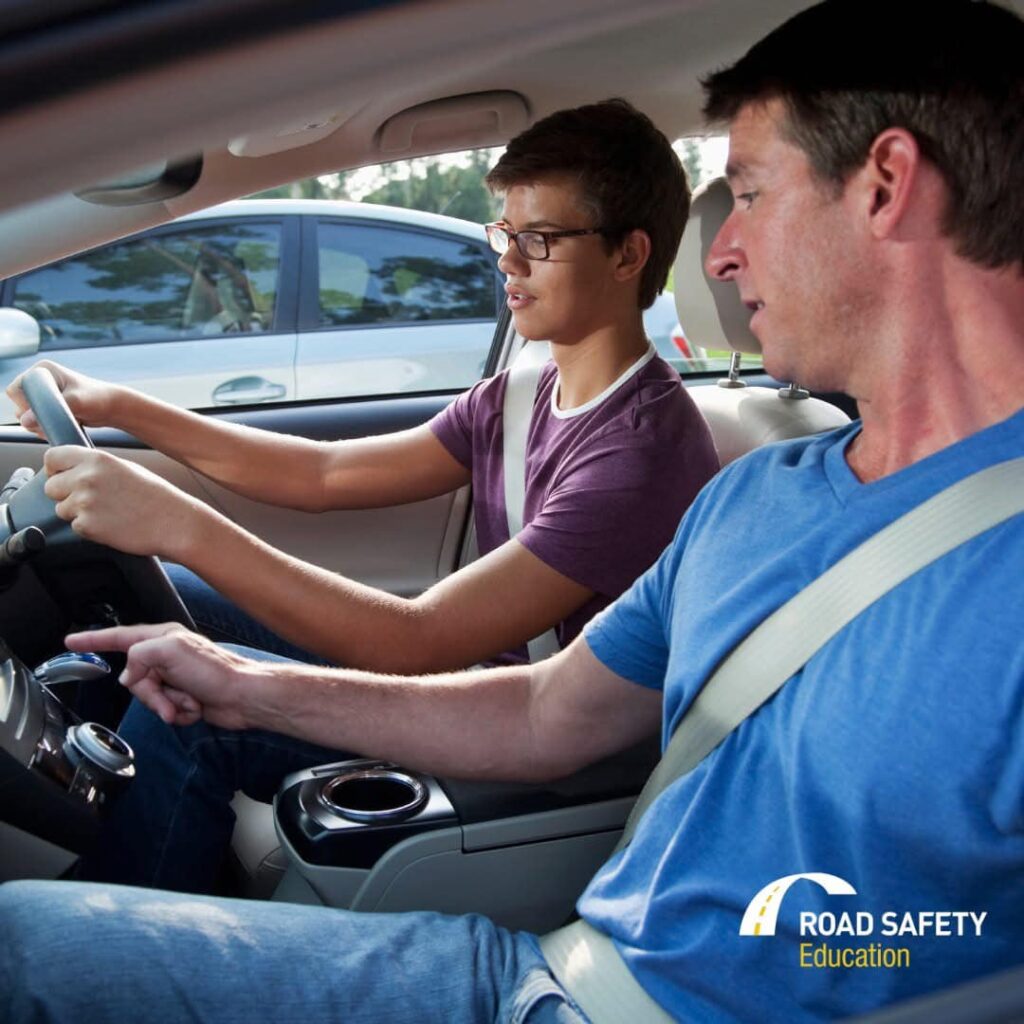
New Zealand’s government is hitting the accelerator on driver licence reforms, introducing significant changes to the Graduated Driver Licensing System (GDLS) – its first major update since 2011. Dubbed a game-changer by Transport Minister Chris Bishop, the proposals aim to simplify the process, cut costs, and improve access to licences, all while maintaining a strong focus on road safety. As public consultation kicks off, let’s look at what’s on the horizon for Kiwi drivers.
The Test of Time: Axing the Second Practical Test
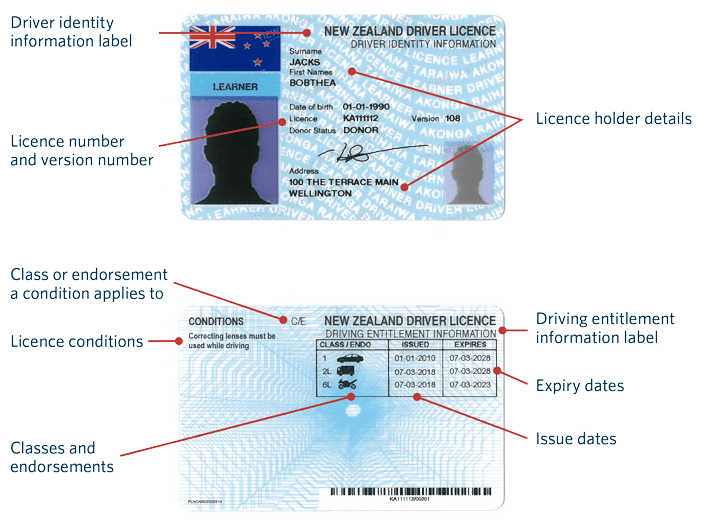
For years, aspiring drivers in New Zealand have faced a costly, time-intensive process involving not just one but two practical driving tests: one for the restricted licence and another for the full licence. Now, the government is looking to drop the full licence test altogether, following practices from international peers like Australia, where alternative safety measures – such as mandatory practice hours and extended restricted licence terms – take the wheel instead.
Currently, the minimum cost to progress from a learner licence to full is $362.50, with $98.90 alone allocated for booking the full licence test. Simplifying the process will provide much-needed financial relief to New Zealanders, nearly half of whom lack any kind of driving licence. For the approximately one million adults without a full licence, these reforms could open doors to greater access to jobs, education, and social participation .
Balancing Speed with Safety: Proposed Safeguards
Critics might question whether eliminating the full licence test compromises safety, but Minister Bishop assures otherwise: the government is focusing on introducing new, evidence-based safety measures. These include:
- Clean Driving Records: Restricted drivers must maintain an offence-free record for 18 months (or 12 months with an advanced driving course) to progress to a full licence. Zero tolerance for traffic offences is the name of the game.
- Demerit Thresholds: Learner and restricted licence holders will face stricter rules, with the demerit point suspension threshold slashed by half – from 100 to 50 points. Staying on the “straight and narrow” has never been more important.
- Zero-Alcohol Limits: Already in place for drivers under 20, this rule will be expanded to all learner and restricted licence holders, regardless of age. Picture it as the ultimate deterrent for boozy adventures: not even a single celebratory drink for you.
- Hazard Perception Testing: The New Zealand Transport Agency (NZTA) is considering rolling out a hazard perception test at the learner stage’s end, ensuring that drivers prove their ability to identify potential risks before hitting the road solo.
These changes align with global best practices, promoting hands-on driving experience while curbing dangerous behaviors.
Eye-Spy Less Trouble: Streamlined Vision Testing
Under the current system, driver eyesight testing happens multiple times, with some unlucky motorists subjected to three tests between ages 16 and 18 or within just nine months. Evidence suggests little safety benefit from this repeated testing. The new proposal trims the process: drivers will complete a vision test when they first apply for a licence and again when renewing after age 45. Between those milestones, drivers won’t need a re-test but will instead declare that their vision remains stable.
However, this reduction in testing won’t apply to heavy vehicle licences or over-75 drivers, given the higher risk profiles in these categories. In effect, eyesight testing is evolving from a repetitive ritual into a more targeted, age-appropriate checkpoint.
Public Consultation: Have Your Say
Kiwis eager to steer the conversation can participate in the public consultation process, open from April 14 to June 9, 2025. The Ministry of Transport’s website hosts the draft consultation document and survey. The proposed changes, if approved, would go into effect in July 2026, ushering in a new era of driver licensing (and, one hopes, fewer queues at testing centres).
A New Road Ahead
These reforms herald a cultural shift in how New Zealand views driving – from a costly, bureaucratic hurdle to a straightforward and empowering step for its citizens. The government aims to strike a delicate balance: making licences more accessible and affordable for young Kiwis while maintaining a firm stance on road safety. By cutting unnecessary tests and focusing on practical safeguards, the reforms promise a future where New Zealand’s roads are not just easier to navigate but safer too.