
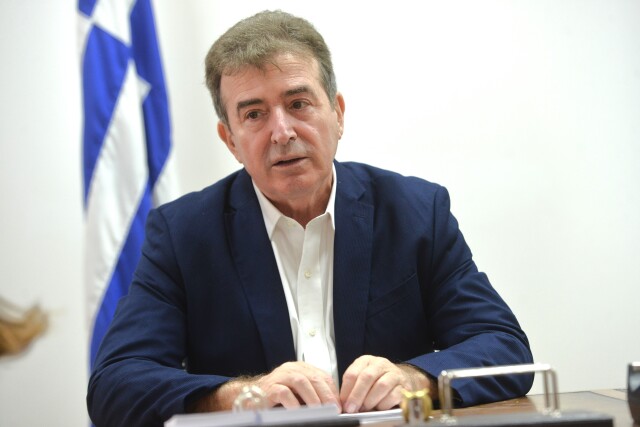
Greece’s Minister for Citizen Protection, Michalis Chrysochoidis, has announced the formation of a new police unit dedicated exclusively to monitoring and policing the Roma community, along with a ban on public concerts and cultural events in Athens’ Exarchia neighbourhood — sparking immediate criticism and concern.
In a recent radio interview, Chrysochoidis justified the creation of the Roma-focused task force by citing what he described as a “very high crime rate” within the community. The minister stated that the new unit is already operational and fully structured and has begun compiling case files to target suspected criminal activity.
“This has gone on too long,” he said. “We’re talking about groups involved in serious offences — drug trafficking, fraud, thefts, robberies. We are committed to putting an end to this.”
Human rights organisations and community advocates are expected to respond to what critics may interpret as discriminatory profiling, while others argue the move risks further marginalising the Roma population.
Simultaneously, the minister announced a clampdown on concerts and public gatherings in Exarchia, a district long associated with activism, youth culture, and left-wing politics. Citing security concerns and the area’s dense population, Chrysochoidis said such events often serve as a cover for unrest.
“There is no need for 2,000 or 3,000 people to gather in an area already under pressure,” he said, referencing a recent incident where Molotov cocktails were thrown at the local police station, reportedly following a concert at nearby Strefis Hill.
The dual announcement has triggered backlash online and reignited debate over state policing policies, cultural expression, and minority rights in Greece.