
Italy has joined countries like Japan, Nepal, Peru, Spain, and Portugal in introducing strict hiking regulations to curb overtourism and protect fragile environments.
These new measures, rolled out in the famous Cinque Terre National Park, are designed to ensure safety and preserve one of Italy’s most beloved coastal landscapes.
One of the proposed regulations even prohibits inappropriate footwear on trails. Open-toed shoes, flip-flops, and smooth-soled shoes have been banned due to safety risks, and there are hefty fines for those who don’t comply.
Far from dictating your style on the trail, the goal is to reduce injuries and strain on emergency services while promoting responsible hiking. Cinque Terre, known for its colourful villages and scenic cliffside trails, has long attracted hikers from across the globe.
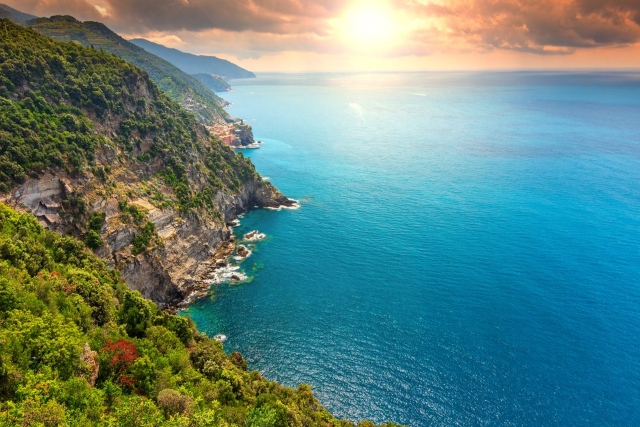 Cinque Terre National Park [Image: National Parks.org]The surge in tourism has led to overcrowding and trail erosion, so to manage crowds during peak tourist dates, a one-way system has now been introduced on the popular Monterosso-Vernazza trail.
This trail alone accounts for about 70% of visitor traffic, so between 9 AM and 2 PM on high-traffic days, hikers will only be allowed to walk in one direction.
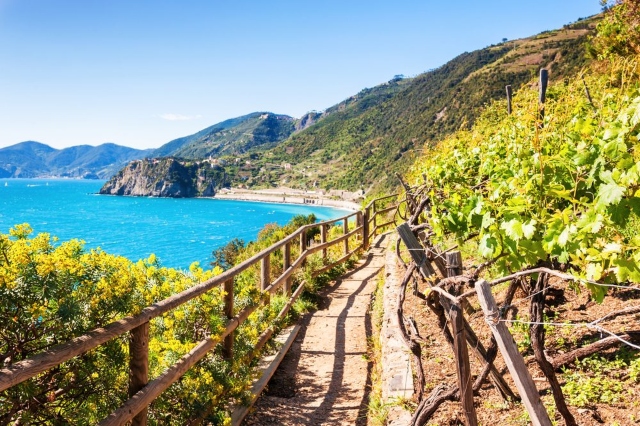 Cinque Terre National Park [Image: National Parks.org]Another iconic route, the Via dell’Amore, or Path of Love, recently reopened after a decade-long closure due to a landslide. It now requires a timed-entry ticket costing €12.50 (R270), which includes access to the Castle of Riomaggiore.
Also, to avoid overcrowding, only 400 people per hour are allowed on the trail at a time.
Italy’s measures mirror steps taken around the world.
Japan now limits daily climbers on Mount Fuji and charges a trail access fee. Nepal requires trekkers to use licensed guides or carry a TIMS (Trekkers’ Information Management System) card. Peru strictly controls access to the Inca Trail, Spain has enforced fines for inappropriate clothing on certain trails, and Portugal’s Madeira Island has also introduced trail fees for non-residents.
But the regulations are not just about rules. They’re also about preserving the area’s natural beauty and ensuring everyone’s safety, and are part of a global shift toward sustainable tourism.
As travel makes a comeback after the big C, top destinations are forced to balance access to nature with preservation of it. By following guidelines, visitors can help to protect iconic trails, many of which can be found right here in our backyard on the slopes of Table Mountain.
With Earth Day (22 April) falling between two long weekends, Table Mountain expects to see a surge in visitors keen to soak up the sunshine and scenery, so explore responsibly, leaving only footprints behind.
[Source: Travel Tour World]