
In scenes reminiscent of Alfred Hitchcock’s horror film, birds have been attacking people in the southern Spanish town of Linares.
Indignant residents have taken to protecting their heads with umbrellas after numerous attacks in several parts of the town in Jaén province in the Andalusia region.
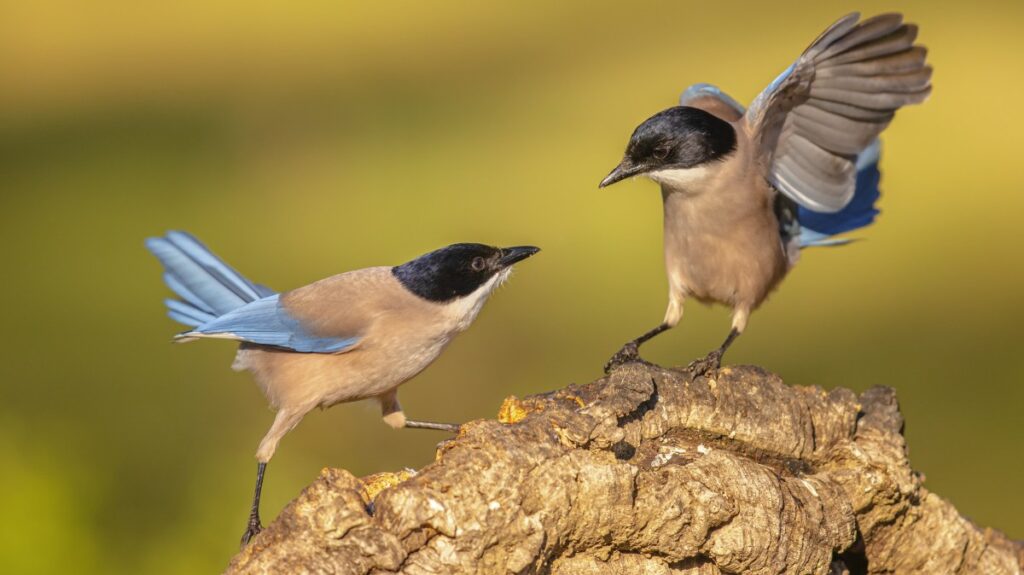
The culprits have been identified as members of the Iberian magpie species. Authorities have tried to allay concerns by saying that the attacks are not malicious.
• Visitors to Spain’s tallest mountain will face ‘eco-tax’
The town council has issued a communiqué saying that they do not mean to cause harm but are “an instinctive and temporary response typical of their breeding season”.
The episode began with the occasional isolated peck but has become a regular battle, locals told the Antena3 television broadcaster.
Vicente, who lives in Linares, said that the attacks had intensified in the past few days. “On Monday, I passed through this same street when I noticed a bang on my head. The next morning, I also passed by, but they attacked me twice. Once and then a minute later,” he said.
Video showed the birds making audacious lightning attacks, taking their targets by surprise and speeding off before they could exclaim, “Hostia”, literally “Holy host” — or damn. “It would be better if people wear a helmet,” one resident said. “It gave me a big fright and hurt me.”
• This Spanish village is the perfect place to learn the language. Here’s why
Locals’ theories about the reason for attacks included the unusual wet weather “turning them mad”. However, authorities have said the Iberian magpies, known locally as “mojinos”, are in full breeding season between April and June.
“During this period, it is common for them to exhibit what experts call mobbing: a defensive strategy consisting of low flights, shrill cries and rapid approaches to any figure they perceive as a threat,” they said.
Francisco Martín, a biologist, told Cadena Ser radio: “This is the usual response of a species to defend its nest. The passers-by are probably very close to the nest, the chicks are about to fly or are just leaving the nest and we are really a problem for them, just as if cats, foxes or dogs were passing by … all they are doing is alerting the rest of the population.”