


You Should Have 1 Of These 5 Drinks When You’re Tired
Try one of these drinks to help boost your energy levels next time you’re tired and struggling to function normally.
Lemon water can not only help your digestion but also boost your energy levels.
This is because lemons are high in potassium, which allows more oxygen to get to the brain and helps it function better.
Beet juice is another good option, as it is rich in nitrates which may increase blood flow to the brain.
Green tea has been used to boost energy levels for centuries. It contains caffeine and the amino acid L-Theanine.
This amino acid can decrease anxiety and increase dopamine production.
Berry smoothies are great for long-term brain health, as they’re rich in antioxidants that protect the cells from damage.
Hot chocolate can also help to boost energy levels.
This is because cacao is rich in flavanols that can help boost cognitive function. It’s best to use dark chocolate.
unbranded – Lifestyle
Researchers studying cancer at the University of Rochester say taurine, found naturally in the body, foods and in popular energy drinks, may cause blood cancers to develop.
The study, led by investigators at the Wilmot Cancer Institute and published in the journal Nature, found taurine — a non-essential amino acid naturally occurring in the bone marrow, brain and heart — may promote the development of leukemia cells. The taurine triggers cancer growth in leukemia cells by promoting a process called glycolysis, which breaks down glucose to produce energy.
Since many popular energy drinks contain taurine, there are some concerns by experts that those containing too much could fuel leukemia cells, although more research is needed.
The study found leukemia cells in immunocompromised mice grew as a result of taurine supplements.
Here’s what you need to know about taurine, where it comes from and what energy drinks contain the amino acid.
Taurine definition: What is taurine?
Taurine is a non-protein, non-essential amino acid — meaning its only needed in times of stress and illness in the body — that is naturally found in the bone marrow, brain, eyes, heart and muscles, according to the National Institutes of Health. The name derives from the Latin taurus, meaning bull or ox. Main sources of taurine are animal proteins such as meat, seafood and daily, and while those who are vegan or vegetarian consume less taurine (plants have no appreciable amount), the likelihood of taurine deficiency is low.
Is taurine bull urine? Is taurine bull semen?
No, taurine is not extracted from bull semen or urine.
What is taurine from?
Taurine was first isolated in 1827 by German scientists Friedrich Tiedemann and Leopold Gmelin from the bile of the ox. Bile is the yellowish liquid digested in the liver and stored in the gallbladder. Early studies primarily focused on its presence of taurine in animal tissues, but in 1846, the English chemist Edmund Ronalds confirmed its presence in human bile, according to a published scientific study on PubMed.
Energy drinks with taurine
Energy drinks typically have around 750 mg of taurine per 8-ounce serving. Red Bull comes in 8.4-ounce and 12-ounce cans, and Celsius comes in 12-ounce cans, for example. Here’s the amount of taurine for some popular energy drinks:
- Red Bull: 1,038 mg per 8.3 oz. can
- Rockstar: 2,000 mg per 16 oz. can
- Tab Energy: 1,178 mg per 12 oz. can
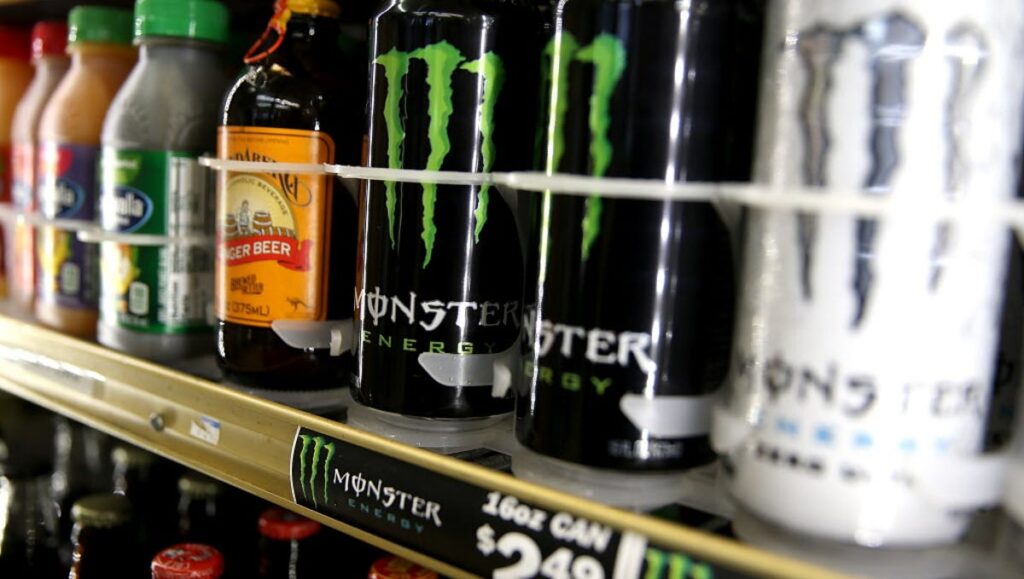
- Monster: 2,000 mg per 16 oz. can
- Go Girl Sugar-Free: 1,200 mg per 12 oz. can
- Celsius: Around 1,810 mg per 12 oz. can (although this is part of a thermogenic proprietary blend with herbal extracts)
- Alani Nu: 2,000 mg per 12 oz. (one powder energy stick contains 1,700 mg)
- Alani Nu: 2,000 mg per 12 oz. (one powder energy stick contains 1,700 mg)
- Bloom Sparkling Energy: Each 12-oz. can contains taurine, but it is unclear how much
- Ghost Energy: 1,000 mg per 16 oz. can
Energy drinks without taurineTaurine benefits
Taurine has many widespread benefits, and the human body can produce the minimal amount required for essential daily functions with no need for supplements, according to the HIH. Here’s the benefits:
- Maintaining proper hydration and electrolyte balance in your cells
- Forming bile salts, which play an important role in digestion
- Regulating minerals such as calcium within your cells
- Supporting the general function of your central nervous system and eyes
- Regulating immune system health and antioxidant function
Taurine also has antioxidant and anti-inflammatory properties, and some studies have shown it may help stave off type 2 diabetes and could improve heart health.
Studies have also shown taurine could boost exercise performance, although its effects tend to be “small and inconsistent” with more research needed.
Lori Comstock is a New Jersey-based journalist with the Mid-Atlantic Connect Team.