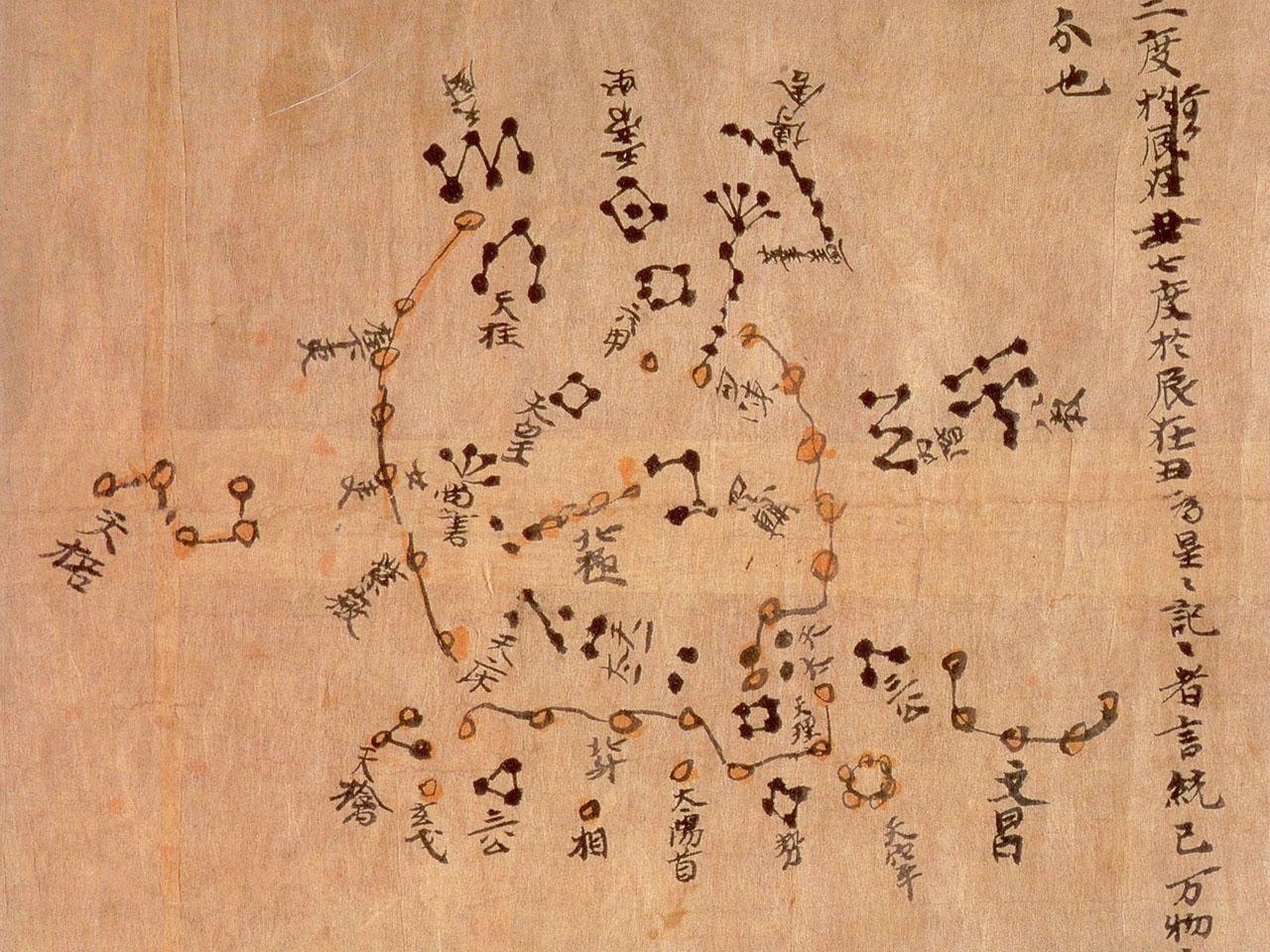
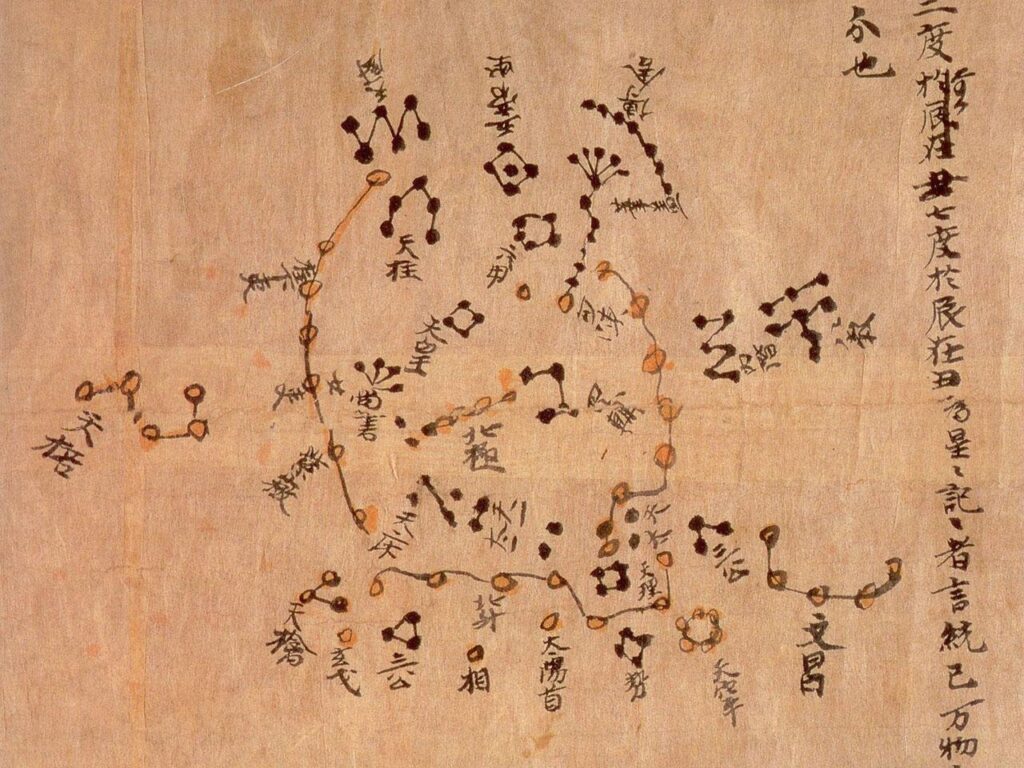
TLDR: A new study suggests that the **Star Manual of Master Shi**, an ancient Chinese star catalog, may be the **oldest known star chart**, dating back to **355 BCE**, over **two centuries earlier** than previously believed. Researchers used **artificial intelligence** to analyze the manuscript, revealing that it was later updated around **125 CE**, making it a **composite of two distinct eras**. This discovery challenges previous assumptions about the origins of structured celestial mapping and places early Chinese astronomy at the forefront of astronomical history.
decadent-dragon on
Interesting. Honestly if you asked me a few minutes ago I would have thought star charts were even much older than that. Since we had some idea of celestial events and calendars long before that
SnowUnitedMioMio on
It’s not challenging anything since we know older star charts.

4 Comments
That was a fascinating read! Thanks for posting.
TLDR: A new study suggests that the **Star Manual of Master Shi**, an ancient Chinese star catalog, may be the **oldest known star chart**, dating back to **355 BCE**, over **two centuries earlier** than previously believed. Researchers used **artificial intelligence** to analyze the manuscript, revealing that it was later updated around **125 CE**, making it a **composite of two distinct eras**. This discovery challenges previous assumptions about the origins of structured celestial mapping and places early Chinese astronomy at the forefront of astronomical history.
Interesting. Honestly if you asked me a few minutes ago I would have thought star charts were even much older than that. Since we had some idea of celestial events and calendars long before that
It’s not challenging anything since we know older star charts.