Hospital superbug can feed on medical plastic, first-of-its-kind study reveals
https://www.livescience.com/health/viruses-infections-disease/hospital-superbug-can-feed-on-medical-plastic-first-of-its-kind-study-reveals

Hospital superbug can feed on medical plastic, first-of-its-kind study reveals
https://www.livescience.com/health/viruses-infections-disease/hospital-superbug-can-feed-on-medical-plastic-first-of-its-kind-study-reveals
12 Comments
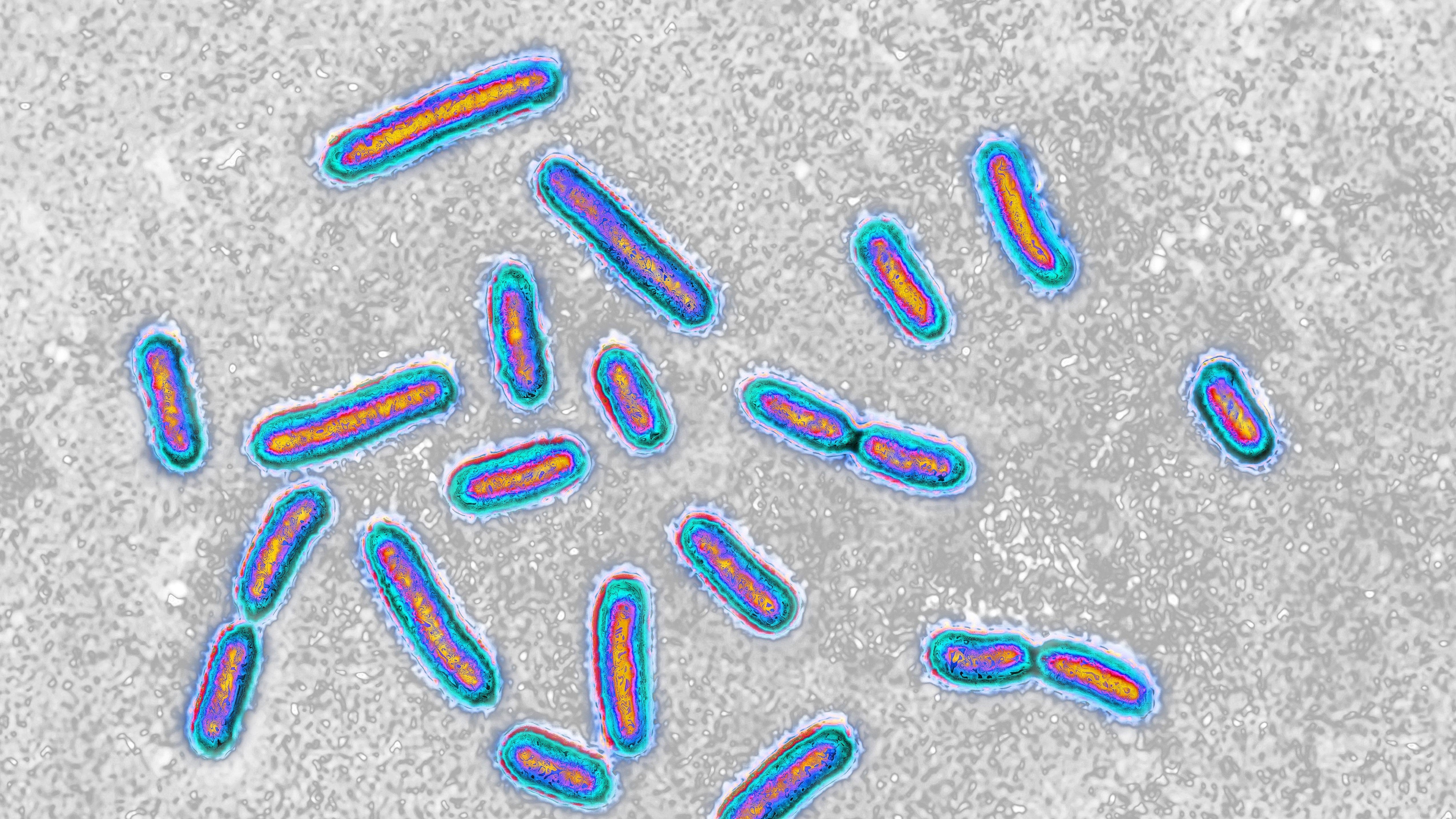
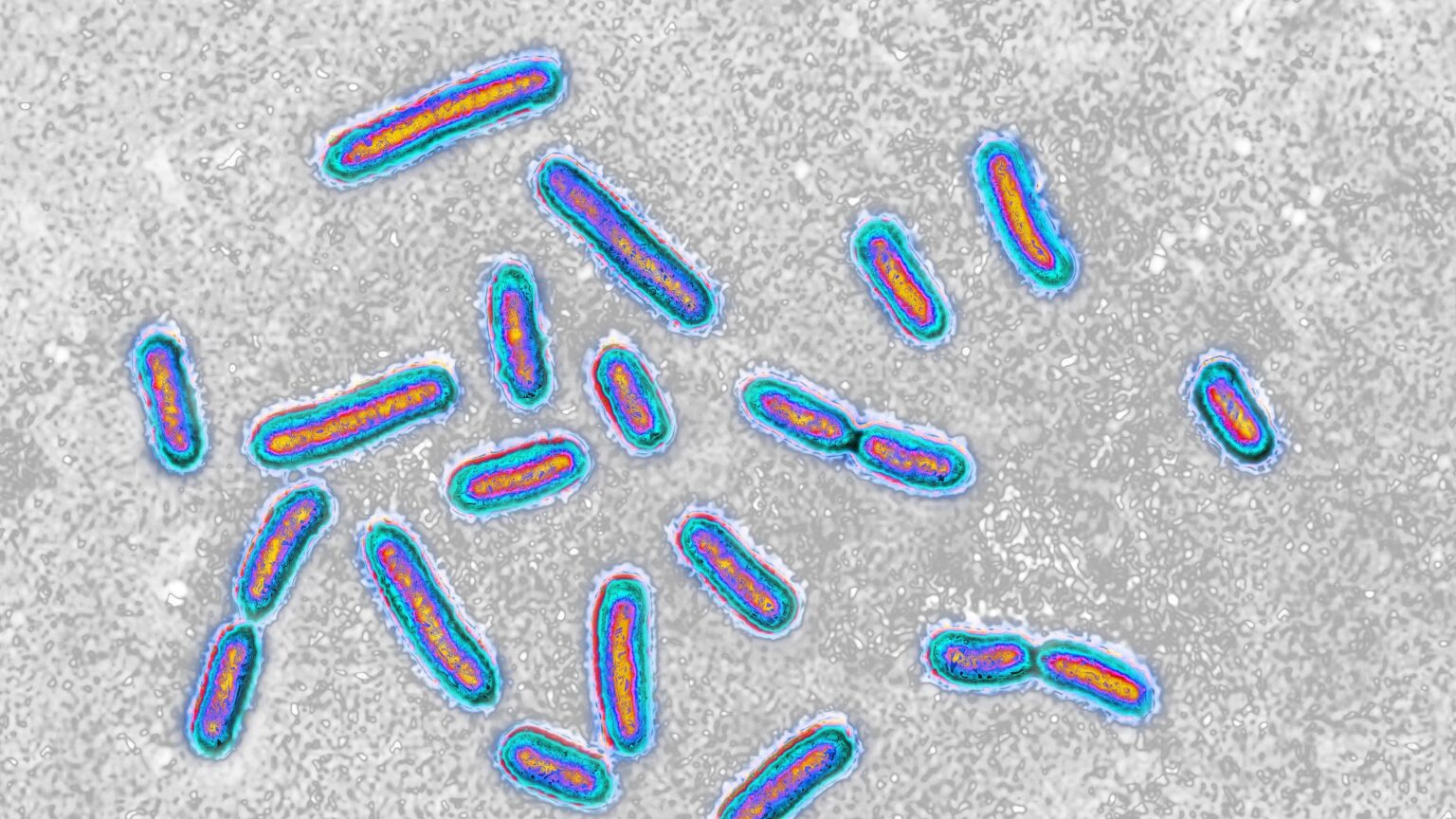
> A superbug that commonly causes infections in hospitals can feed on plastic used for medical interventions, potentially making it even more dangerous, a world-first study has found.
> The bug is a bacteria species called Pseudomonas aeruginosa, which is commonly found in hospital environments and can cause potentially deadly infections in the lungs, urinary tract and blood.
> Now, scientists have analyzed a strain of this bacteria from a hospital patient’s wound, which revealed a surprising trick that could enable it to persist on surfaces and in patients for longer — its ability to break down the biodegradable plastics used in stints, sutures and implants.
Soooo can we cultivate that for recycling/breaking down hospital waste?
Please inject into my brain. Neurons clogged with microplastic. Can’t think right.
So we’ve got some good news and we’ve got some bad news…
Terrifying!
The farther you read the worse it gets:
>The bug’s plastic-chewing power doesn’t just seem to be granting it a food source: It is also making it more dangerously resistant to treatment. This is because the bacteria uses plastic fragments to form hardier biofilms — structures with protective coatings that shield superbugs from antibiotics — the researchers found.
They don’t just eat plastic, they turn it into armor!
Seems to me, this is currently horrifying, but with some awesome sci-fi potential. All we need are some bacteria that don’t damage human cells, but which will happily eat the microplastics out of our bodies and we’ll be in great shape!
I really want that “this is sensationalist bullshit” guy to appear for once…
Great it’s lovely how low-key the Andromeda Strain being practically in the mix is just casually dropped.
Makes sense since we are living in the Plasticene Epoch.
that website gave my phone a treatment-resistant superbug.
here’s the original report, which requires no pre-digestion by a pop-up ad-farm:
https://www.cell.com/cell-reports/fulltext/S2211-1247(25)00421-8
What happens when bacteria start integrating plastic molecules into themselves and our enzymes can no longer break them down?
Oh look. Another instance of gain of function research that’s going to be downplayed just like the last pandemic.