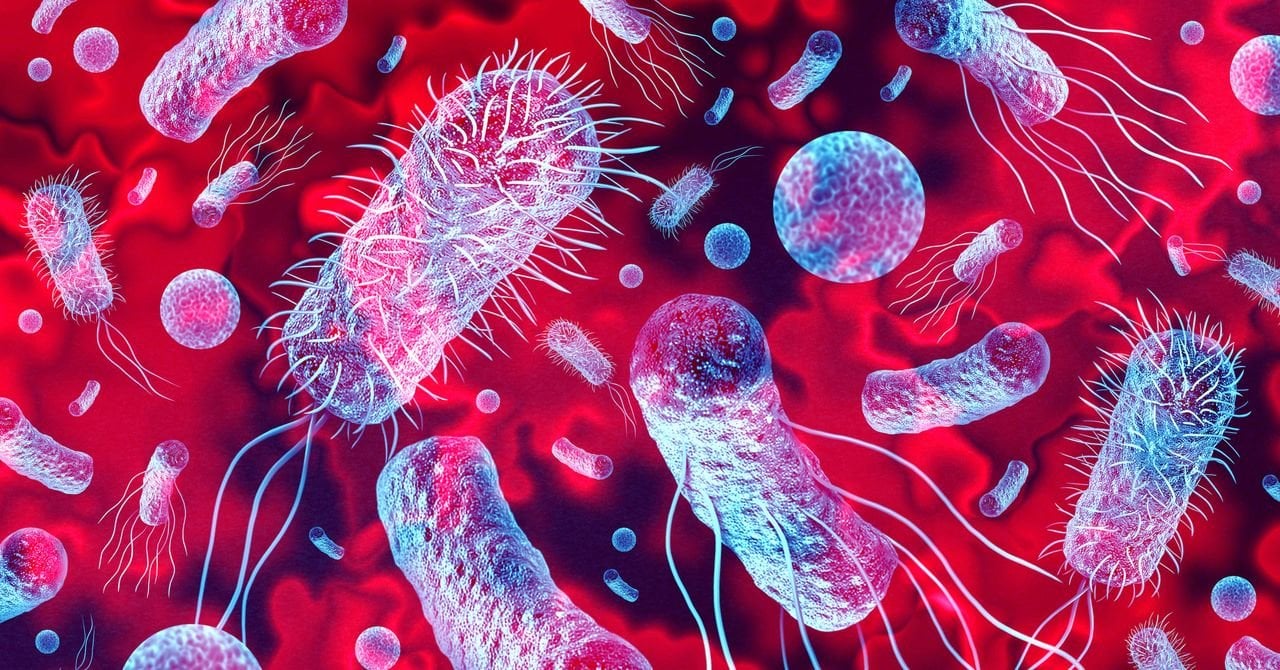
New Bacteria Have Been Discovered on a Chinese Space Station
https://www.wired.com/story/bacteria-unknown-on-earth-appears-on-chinese-space-station/

New Bacteria Have Been Discovered on a Chinese Space Station
https://www.wired.com/story/bacteria-unknown-on-earth-appears-on-chinese-space-station/
7 Comments
A new bacterium called Niallia tiangongensis was found living on the controls of China’s Tiangong space station, and it has never been seen on Earth before. This tiny microbe can form protective spores, break down proteins in low-nutrient conditions, and repair radiation damage—traits that help it survive the harsh environment of space.
Something something nuke from orbit something.
I wonder if it came up under their fingernail. For one, it can’t just spawn from nothing. And China’s Tiangong space station suggests it was introduced from Earth rather than originating there.
But because journalists don’t know how to write and always make things sound more supernatural and mysterious everyone will think it magically appeared out of nowhere in space.
cool. the last virus from china was quite a surprise hit. wonder what they got in store for us with bacteria. when are they planning to accidentaly release it on earth?
This was posted earlier. Top comment from there was that each year thousands of new types of bacteria are discovered per year on earth
This would make sense as a new species, you take a terrestrial bacteria into a radiation heavy environment that is going to both induce additional mutations and act as a harsh selector in terms of what survives, and the only things that ARE likely to prosper are new variants that have the necessary adaptations for the environment in question. Interesting stuff
Offtopic, but I find it interesting how the headline says “a Chinese Space Station” not “the Chinese Space Station”. Of the two operating space stations, it’s the Chinese one. If there was ever a time to use the definite article, this seems to be it. Are US readers assumed to be that unfamiliar with the fact that a Chinese Space Station exists, or alternatively that only one is currently active? (and no, it was not found on one of the old ones)