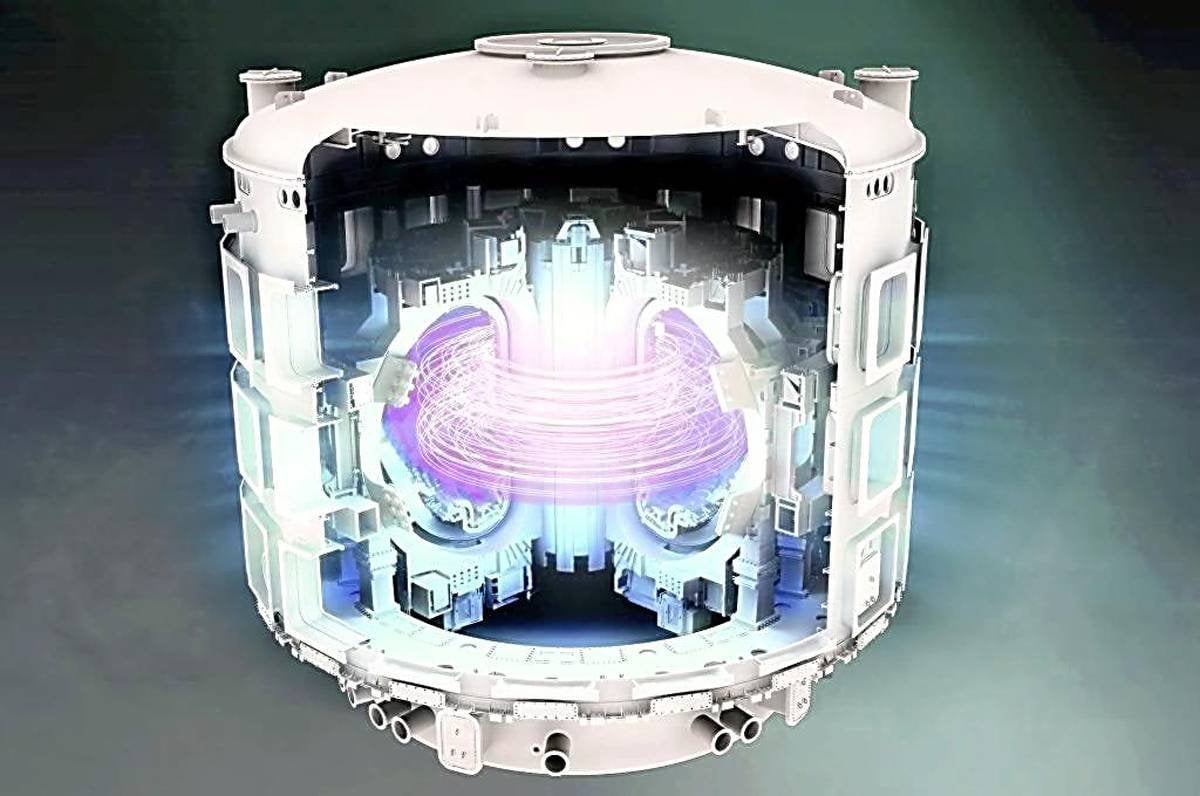
3 of Japan’s Nuclear Fusion Institutes to Receive ¥10 Billion in Funding, as Govt Aims to Speed Up Research – It will put forward a goal of introducing fusion in the 2030s, up from around 2050 in the current plan.

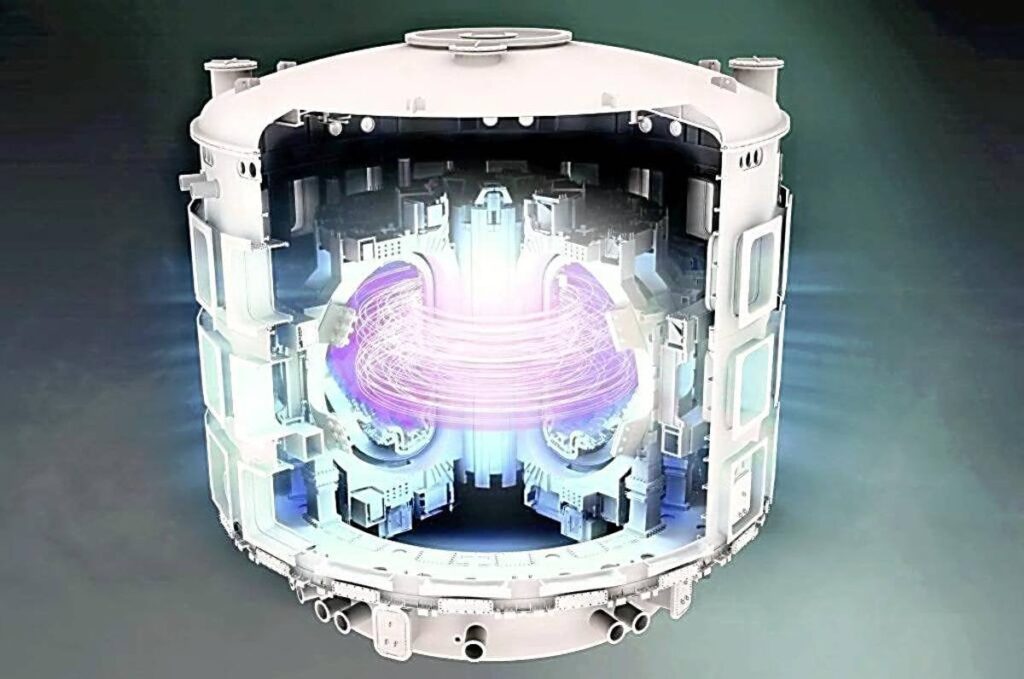
3 of Japan’s Nuclear Fusion Institutes to Receive ¥10 Billion in Funding, as Govt Aims to Speed Up Research – It will put forward a goal of introducing fusion in the 2030s, up from around 2050 in the current plan.
1 Comment
From the article
To help the industry grow, the Japanese government will open up the institutes’ upgraded facilities to the private sector. By doing so, the government aims to allow private companies to conduct experiments that need massive devices that would be difficult for them to build on their own. It also expects firms will test technologies for maintaining nuclear fusion reactions over a long period.
The government is set to revise its national strategy policy on pursuing the use of nuclear energy as a power source. It will put forward a goal of introducing fusion in the 2030s, up from around 2050 in the current plan.
Since the strength of the private sector will be needed to achieve this goal, the government plans to make the three institutes a base for collaboration among business, government and academia.
To generate power using fusion, nuclear fuels, such as deuterium and tritium, are heated to 100 million C or higher to cause the atoms to join together. Energy discharged from the reaction is converted into heat to generate electricity.
The three main reactor types are the tokamak, which confines extremely hot plasma to trigger a fusion reaction; the stellarator, which functions in the same way; and laser reactors, which heat nuclear fuel with laser beams.